
New Footage Shows China’s First Unmanned Stealth Fighters in Frontline Service
Military Watch Magazine Editorial Staff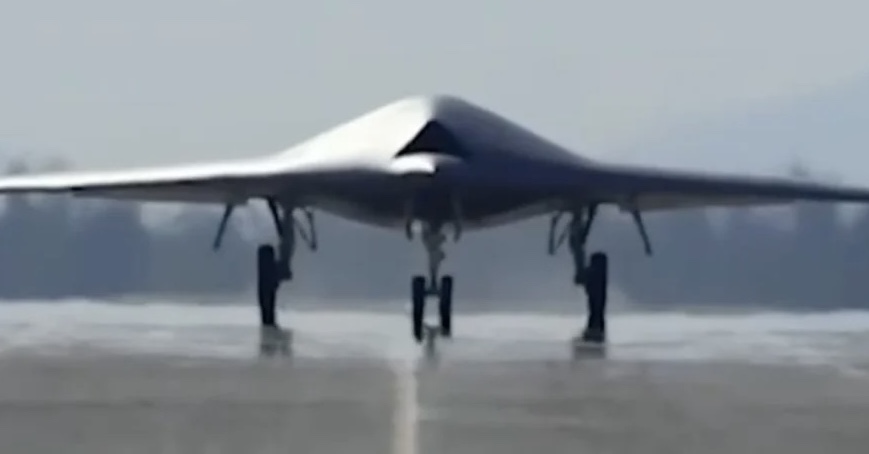
Chinese GJ-11 Unmanned Stealth Fighter
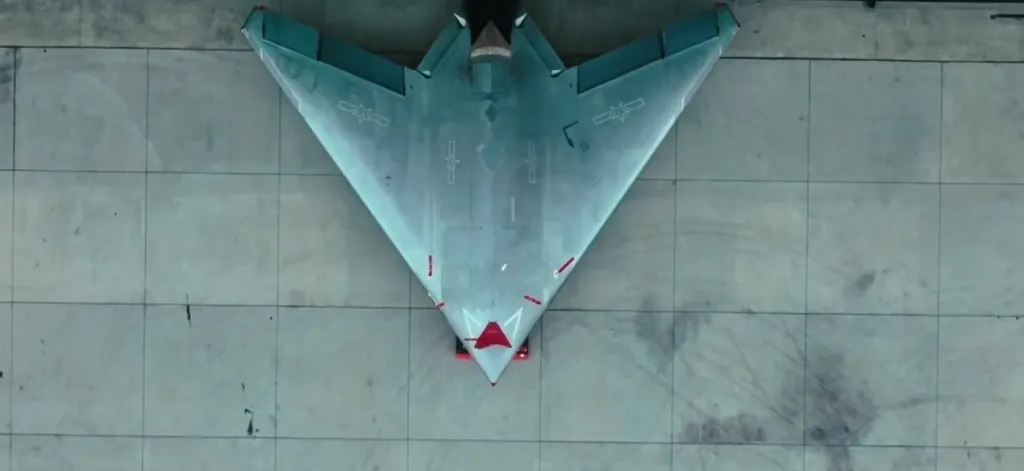
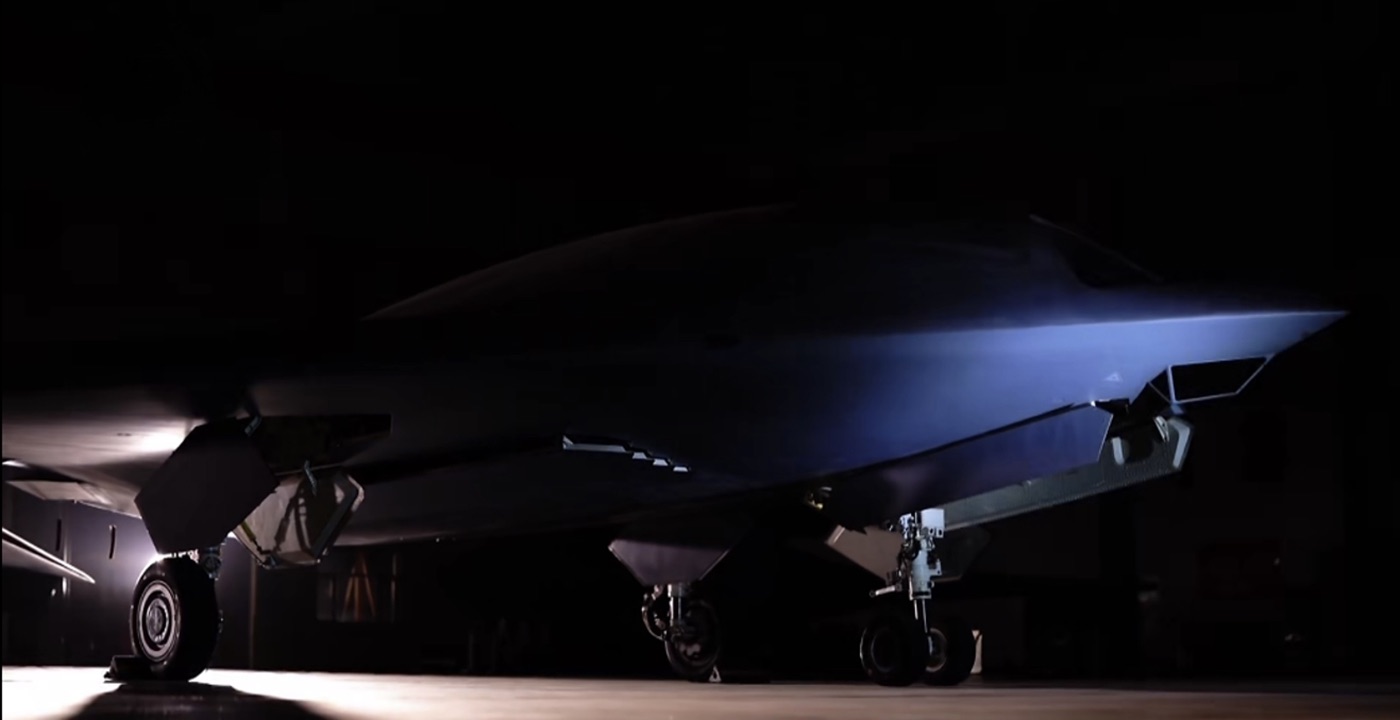
Newly released footage of China’s GJ-11 Sharp Sword unmanned stealth fighters has offered a rare look at the aircraft’s internal weapon bays, as China continues to expand its development of stealth aircraft and unmanned systems intended to operate alongside crewed fighters. Like all stealth combat aircraft, the GJ-11’s internal weapons carriage is a key part of its low-observable design, much like those of the J-20 and J-35 stealth fighters, although little is known about the kinds of armaments the type is intended to integrate. China emerged in the 2010s as one of the two leaders in stealth fighter development alongside the United States, and has since led the world in developing unmanned fighters, with the GJ-11 having first been confirmed to have entered service in late 2025. The GJ-11 is widely assessed to be intended for missions including precision attack against ground targets and potentially other roles in contested airspace, although a number of sources have posited that it could also have considerable air-to-air capabilities.
The People’s Liberation Army has been developing concepts in which uncrewed aircraft operate alongside crewed fighters, extending sensor coverage, distributing mission workloads and potentially complicating an adversary’s air-defence response. The GJ-11 has frequently been discussed in connection with the J-20 air superiority fighter, although the precise extent of any operational teaming capability has not been publicly established. China’s defence sector has also pursued naval applications for stealth unmanned aircraft. A related design, which is thought to be designated the GJ-21, has been associated with carrier operations, with the aircraft expected to operate from both dedicated Type 076 class drone carriers, and from supercarriers such as the Fujian.
The Chinese People’s Liberation Army Air Force in October 2025 was confirmed to have made its first known deployment of GJ-11 at Shigatse Air Base in Tibet, marking the first operationalisation of an unmanned fighter squadron by any country in the world. Prototypes of the GJ-11 had been seen with growing frequency since 2018, with the unmanned aircraft expected to be semi-autonomous and eventually be able to operate with full autonomy. Footage from Chinese state media outlet CCTV released from 2022 indicated that the aircraft may be intended to be commanded by twin seat J-20 fighters for some operations. The aircraft uses a tailless flying wing design similar to that of the American B-21 bomber to maximise stealth.
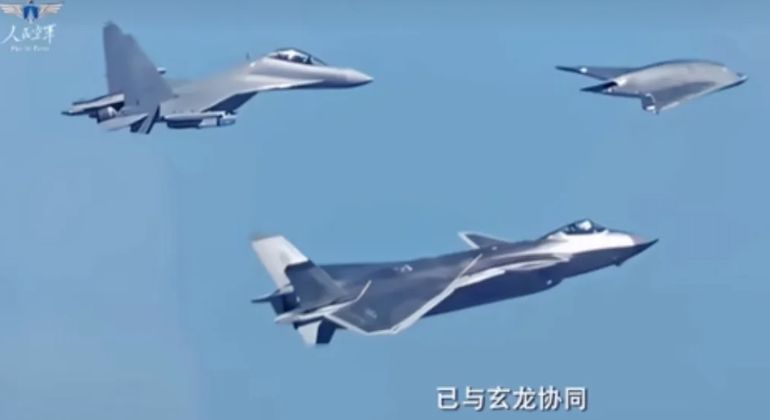
The GJ-11 is expected to provide invaluable experience operating unmanned stealth fighters, paving the way to enhanced variants and future more complex designs entering service. These unmanned programs are expected to have a significant influence on how manned fighters operate. The development of a twin seat variant of the J-20 fighter was initiated specifically to allow a drone controller to be accommodated to facilitate supporting operations by unmanned fighters like the GJ-11, reflecting prevailing trends among leaders in combat aviation towards manned-unmanned integration. As China is poised to lead the world by several years in bringing sixth generation fighters into service, and has since 2024 been the only country flying prototypes of such aircraft, new unmanned aircraft are expected to be designed specifically to optimally pair with these new much stealthier and longer ranged fighters.
