
Navy Secertary Says Six $15 Billion Gerald Ford Class Supercarriers Could Be Cut - Slams Performance Issues
Military Watch Magazine Editorial Staff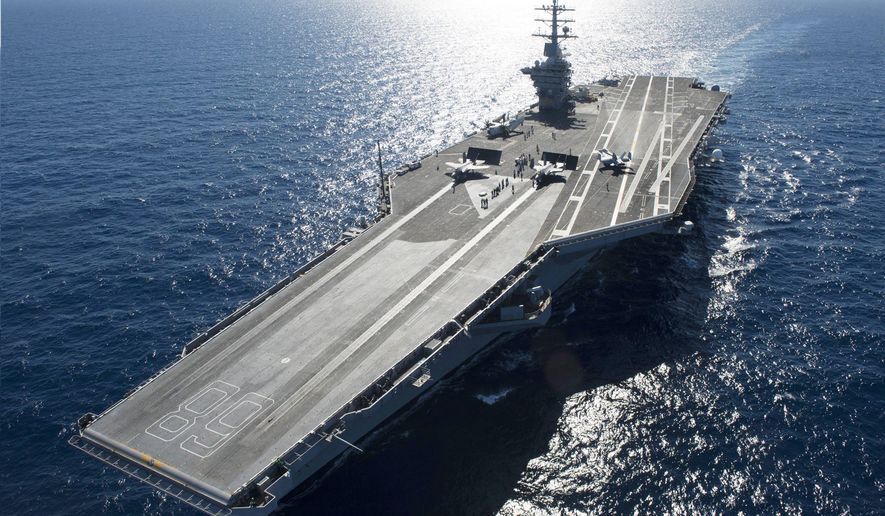
U.S. Navy Nimitz Class Supercarrier
Recently appointed U.S. Navy Secretary Thomas Modly raised eyebrows with a recent statement that the Gerald Ford Class carrier program could see 60% of its warships cut from the service's acquisition plans. The Secretary stated regarding the future of the program: “I don’t know if we’re going to buy any more of that type… Only one of the huge, 100,000-ton Ford-class carriers has been completed - well, sort of. The class’s lead ship, the USS Gerald R. Ford, entered service nearly two years behind schedule and billions of dollars over budget, but did so without several of its new systems working properly, such as its weapons elevators.” He noted that other classes of carrier were under consideration, with the Navy “certainly thinking about possible other classes.”
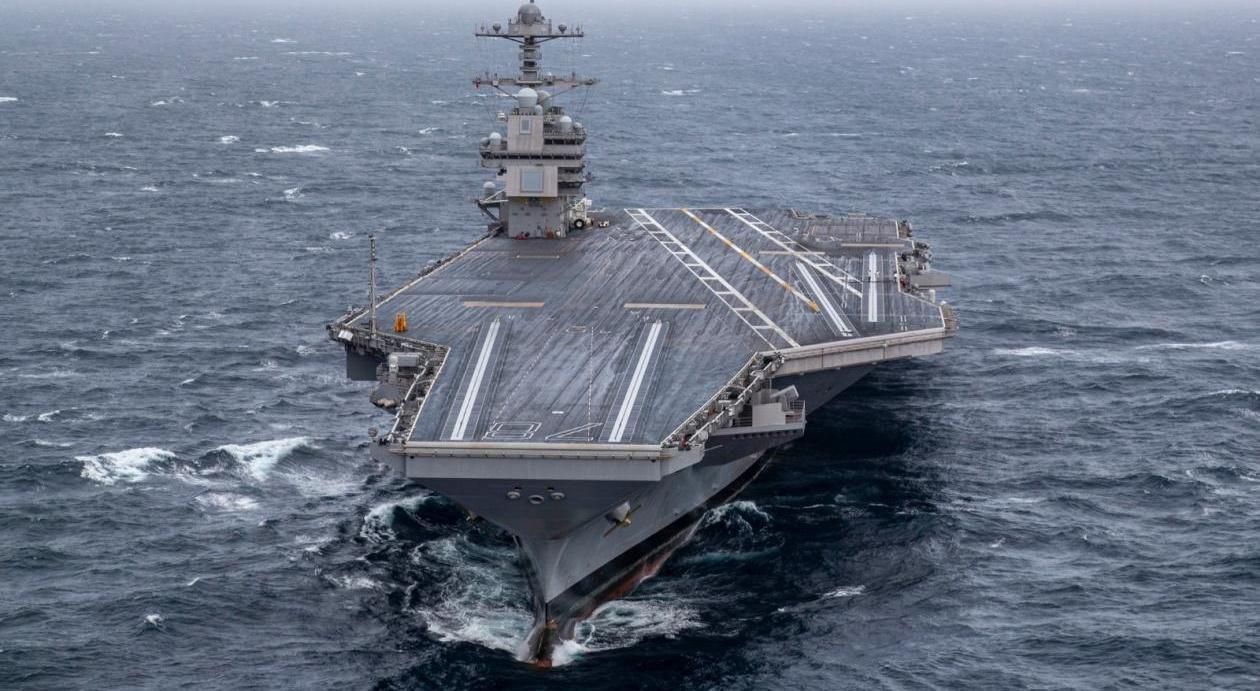
The USS Gerald Ford entered service in June 2017, but almost three years later is still far from combat ready with serious ongoing performance issues ranging from its sensors to its catapult systems. While these have been written off as teething issues for the new warship class, which will be reduced on future carriers as the design evolves, the sheer cost of the warships at $13-15 billion each has also raised serous questions among the Navy's leadership regarding the programs cost effectiveness. The last ship of the Gerald Ford Class’ predecessor, the Nimitz Class, notably costs just $5.5 billion adjusting for inflation, despite being the same size and having many similar capabilities. The U.S. Navy previously planned to acquire ten Gerald Ford Class carriers, although with just four on order the fleet which enters service could be considerably smaller. The second warship of the class, USS John F. Kennedy, is almost 75% complete. The third, USS Enterprise, has begun construction while the fourth, USS Doris Miller, has been purchased with procurement of materials already beginning.
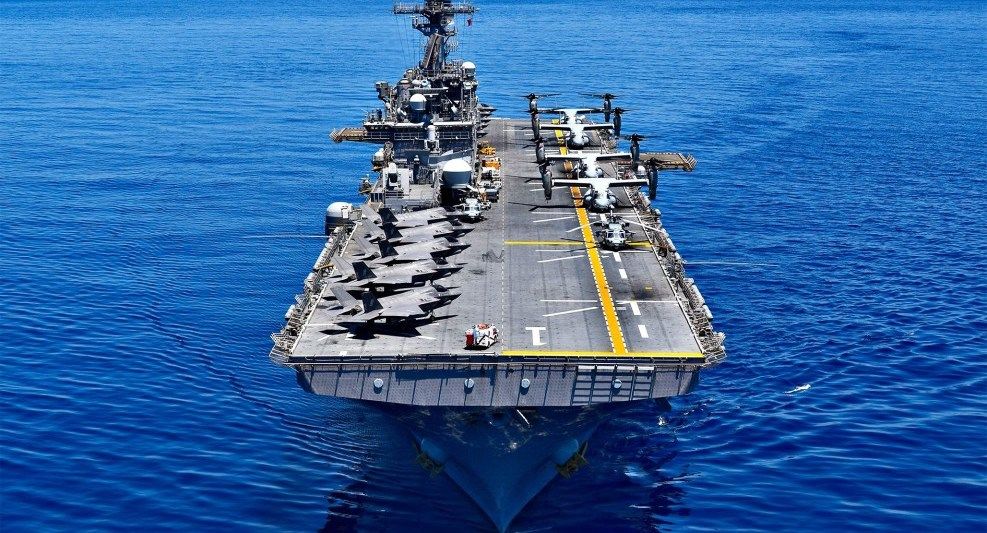
Regarding concerns surrounding the Gerald Ford Class carrier program, Secretary Modly noted that these had also been expressed by President Donald Trump, who: “has been vocal about his concerns with progress on the Ford. We heard him loud and clear. We are all hands on deck to make it ready so that our sailors can fight it, the nation can be proud of it, and our adversaries will fear it.” The U.S. Navy has considered inducting lighter classes of carrier in to service, which would be considerably cheaper both to build and to operate and could be more survivable against modern ‘carrier killer’ weapons. The 40,000 ton Wasp Class amphibious assault ships are capable of serving as carriers, deploying up to 20 Harrier II or F-35B vertical landing capable fighters each. Seven of these ships are currently in service. The capabilities of their air wings, however, leave much to be desired compared to those operating from supercarriers - with vertical landing capable jets being far less capable than their runaway based counterparts. They also lack support from other carrier based aircraft such as E-2 Hawkeyes, and have shorter ranges and no access to catapult launches. Light carriers have increasingly become popular in light of the proliferation of ‘carrier killer’ weapons such as the Chinese DF-21D and DF-26 and Russian Kh-47M2 Kinzhal hypersonic anti ship ballistic missiles, which have left supercarriers increasingly vulnerable even when operating at extreme ranges.
