
NATO to Replace E-3 AWACS Platforms by 2035, Artificial Intelligence to Play a Major Role in Future Intelligence Collection - Stoltenburg
Military Watch Magazine Editorial Staff
NATO E-3 Sentry AWACS Platform
NATO’s Secretary-General Jens Stoltenberg has announced that the alliance plans to phase its Boeing E-3 Sentry AWACS platforms out of service by 2035. The E-3 was developed during the Cold War to provide NATO and allied air units with superior situational awareness over their Soviet counterparts, and the design has been modernised considerably since and played major roles in operations such as Desert Storm. While the U.S. remains by far the largest operator of the E-3, with some Sentries also sold outside of NATO most notably to Japan and Saudi Arabia, the aircraft are also operated jointly under the NATO alliance to provide joint security to its growing number of member states.
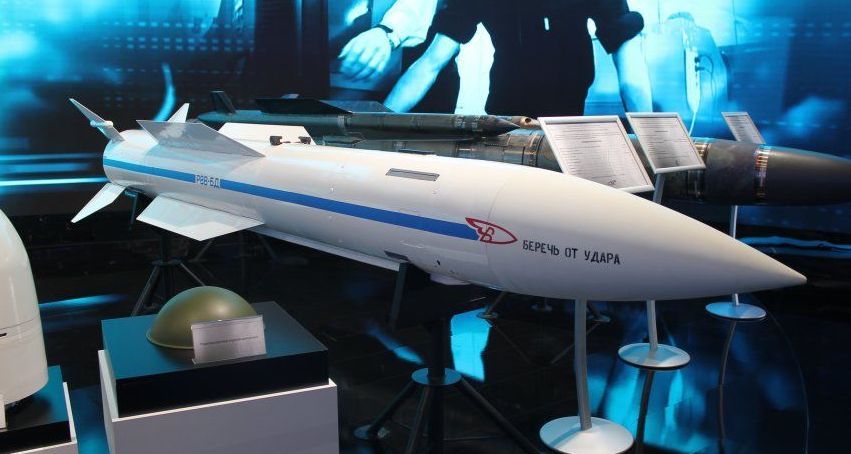
With heavyweight high value aircraft increasingly considered obsolete in the face of sophisticated long range anti aircraft systems, the Russian R-37M and 40N6E hypersonic missiles being key examples which can engage targets up to 400km away and deploy from highly mobile launch platforms, it is possible that NATO will not seek to replace the Sentry with a more advanced successor aircraft. Secretary Stoltenberg himself alluded to this possibility, with unmanned autonomous systems potentially being tasked with themselves collecting intelligence to support next generation operations. It remains uncertain whether ground based platforms can ever truly replace AWACS do to the difficulties of achieving adequate sensor coverage from sea level, but other options including the development of 'stealth AWACS' platforms able to evade radar detection at range have also been raised.
