
NATO’s New Armoured Backbone: South Korea Begins Delivering Second Batch of 180 K2 Tanks to Poland
Military Watch Magazine Editorial Staff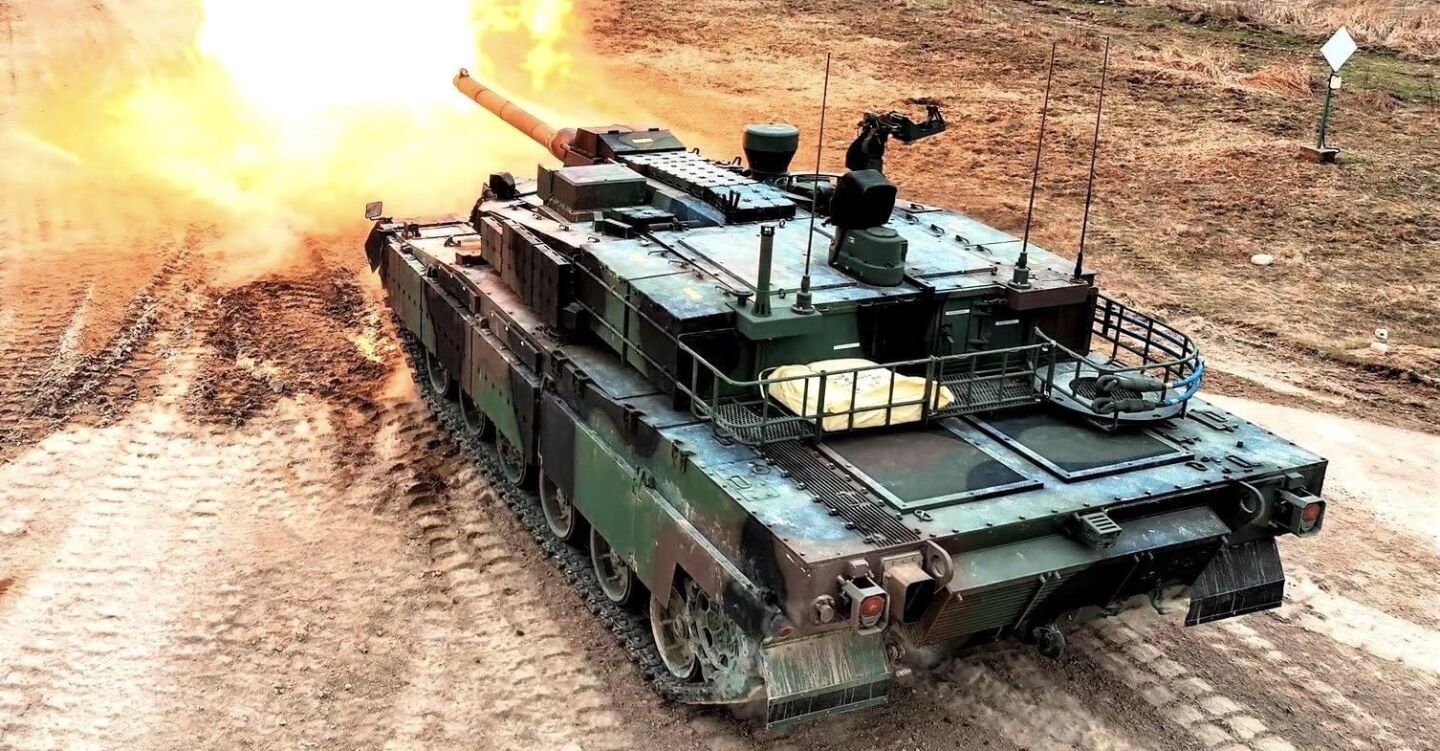
Polish Army K2 Tank
The Polish Army has received the first K2 Black Panther main battle tanks from a second batch of 180 vehicles on order. Twenty-eight vehicles have delivered as part of the $6.5 billion contract signed with Hyundai Rotem in August 2025, and are being assigned to Poland’s 16th Mechanised Division, strengthening the armoured forces responsible for the country’s northeastern regions. The Polish Army is expected to eventually receive 1,000 K2 tanks, which the vehicles in having frequently being evaluated as the most capable in NATO. Of this 1,000, 360 have already been ordered.
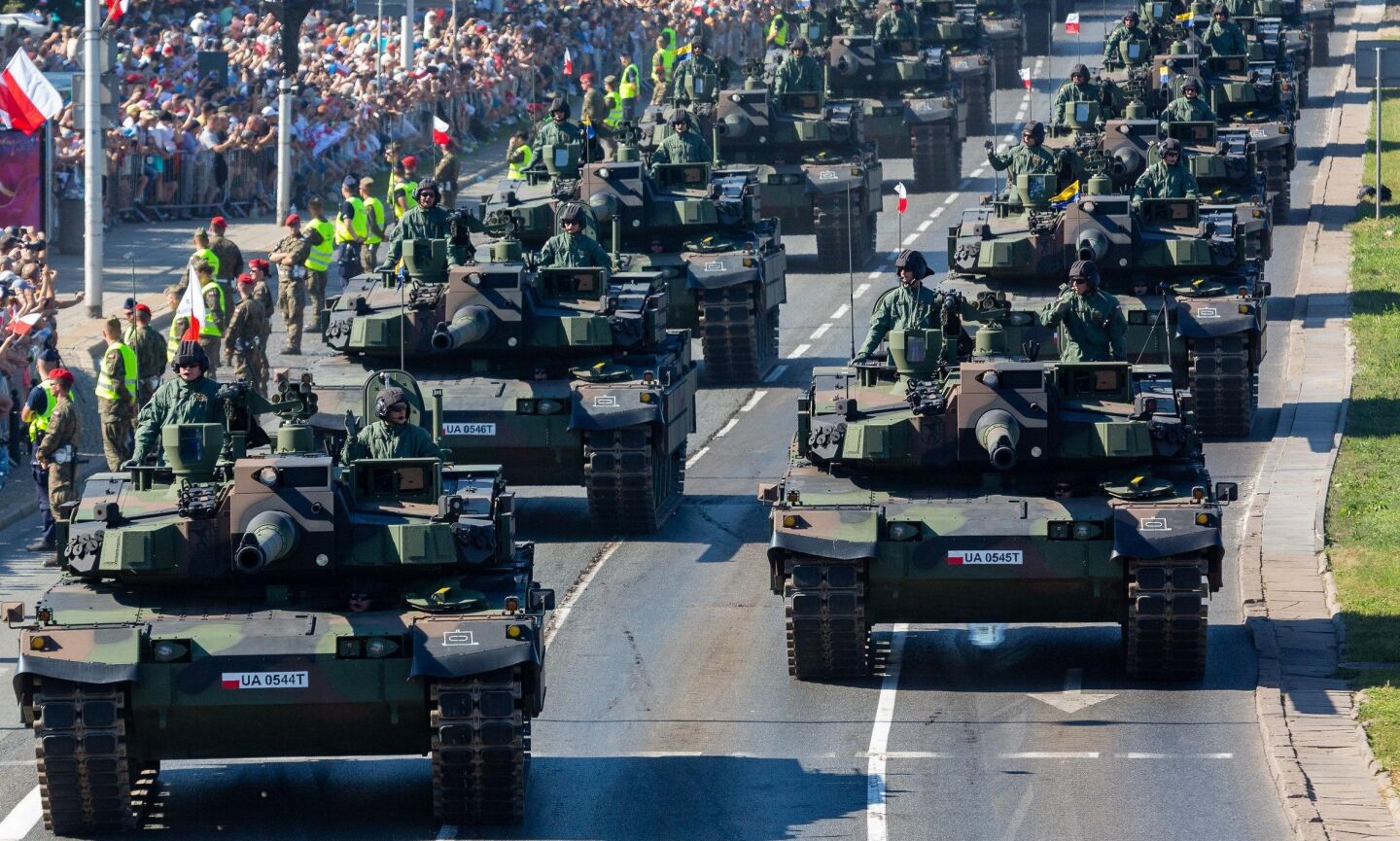
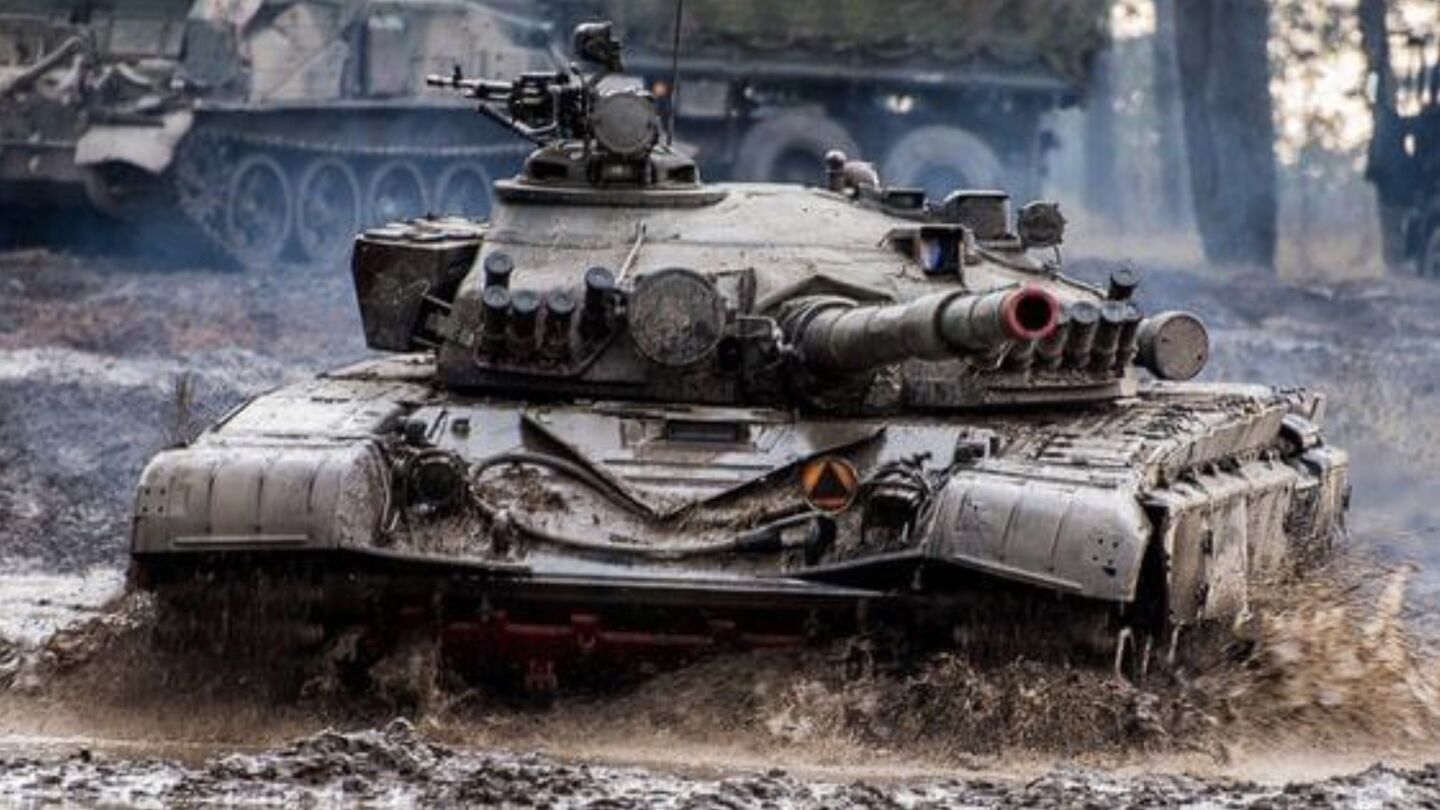
The scale and speed of Poland’s tank procurements has been driven in large part by a rise in tensions with Russia, and by the donation of hundreds of Leopard 2 and T-72 tanks to Ukraine, which K2 supplies have been key to replenishing. The number of T-72s supplied by Poland is estimated to be close to 400. The newly delivered tanks are particularly relevant to Poland’s eastern defence posture. The 16th Pomeranian Mechanised Division is based in northeastern Poland, close to the borders with Russia and Belarus, and has become a major recipient of the country's expanding fleet of modern tanks. Earlier K2 deliveries equipped units including the 20th Bartoszyce Mechanised Brigade, 9th Braniewo Armoured Cavalry Brigade and 15th Gizycko Mechanized Brigade.
In April Belgian Chief of General Staff Frederic Vansina has stressed that European states needed to urgently strengthen their defences, adding that Ukraine was “buying time for us,” and warning that Russia would by 2030 field an “army of 650,000 to 700,000 seasoned troops. High level calls have been widespread within Poland for an accelerated shift in the country’s defence posture to prepare for war with Russia. The much greater efficiency of South Korea’s defence sector in producing NATO standard equipment that is more capable, cost effective, and available for delivery sooner has led to it playing a key role in this buildup across Europe.
