
NASA Unveils New Very High Speed Space Plane, Posing New Threat to China, Russia and North Korea
Military Watch Magazine Editorial Staff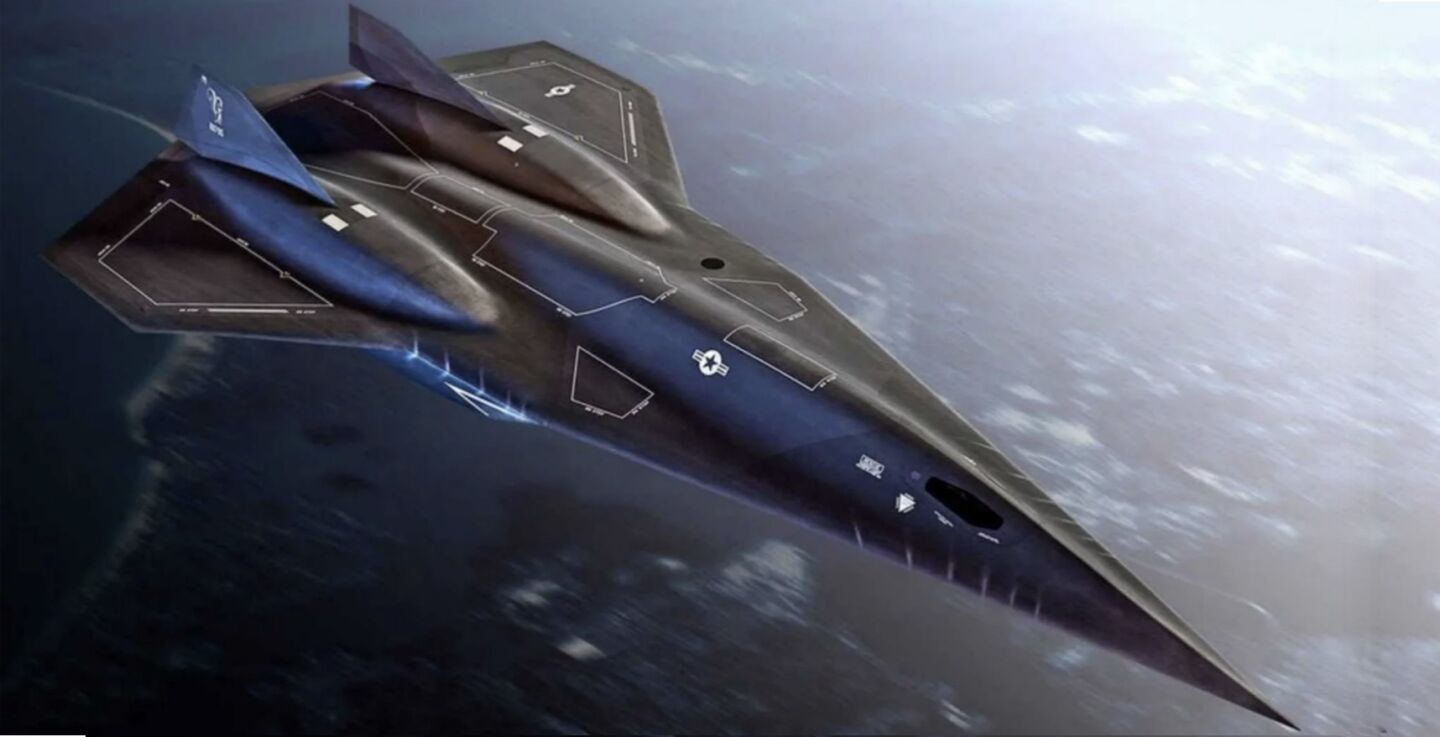
SR-72 High Speed Surveillance Plane Concept Art
NASA Administrator Jared Isaacman has pointed to the development of a new experimental aircraft capable of operating at extreme speeds and altitudes, presenting a mysterious silhouette that immediately drew comparisons to the Cold War era SR-71 Blackbird. The SR-71 was designed to fly at over three times the speed of sound and at altitudes of over 25,000 metres, which was intended to make it highly challenging to target. “In the service of the first A [aeronautics] in NASA, we are rebuilding our X-plane fleet. The X-59 is researching quiet supersonic flight, but it’s just the beginning,” Isaacman told the audience. He added that “it will not be long before NASA once again is flying as high and as fast as we had in decades past, and then even more.”
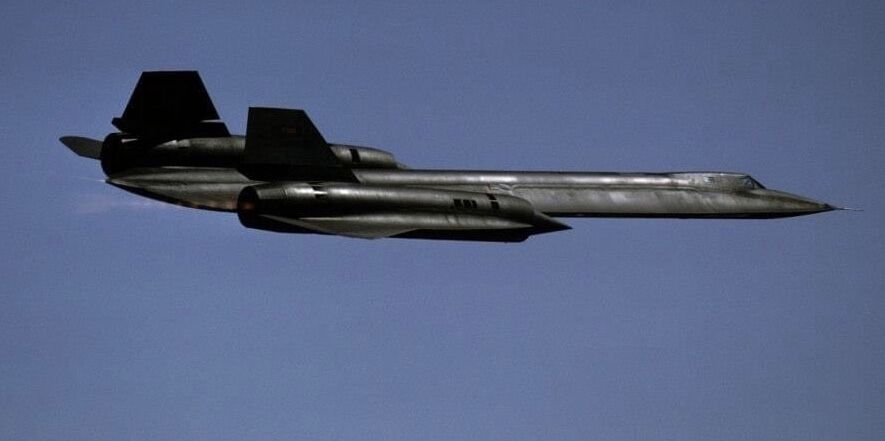
The aircraft displayed behind Isaacman has a broad, highly blended configuration when viewed from the front, with a silhouette that strongly evokes the SR-71. Its long fuselage, pronounced chines and highly swept wings appear to be well optimised for very high speed high altitude flight. When questioned about the image following his presentation, Isaacman indicated out that it was not an SR-71, observing: “Like I said, NASA is getting back in the business of flying high and fast again.” It remains uncertain whether this represents a prototype under construction or even a finalised design, with the silhouette potentially being a conceptual artwork intended to illustrate the type of aircraft NASA hopes to investigate through its revived X-plane program.
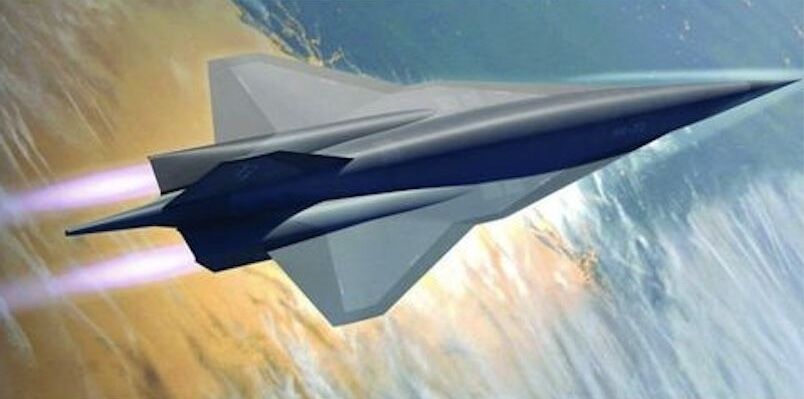
A genuine successor to the SR-71 has long been a subject of aerospace research and speculation. Lockheed Martin previously publicised the SR-72 concept, describing a potential hypersonic aircraft intended to combine extreme speed with advanced propulsion technologies. However, the existence of the new NASA imagery does not establish that the aircraft shown is an SR-72 or a derivative of that concept. Isaacman’s emphasis on “airframe and propulsion design” is significant, with his statement that NASA is recommitting to flight testing and working with industry “to push the boundaries of airframe and propulsion design” suggesting that future projects could investigate technologies across the aircraft rather than focusing on a single aerodynamic problem.
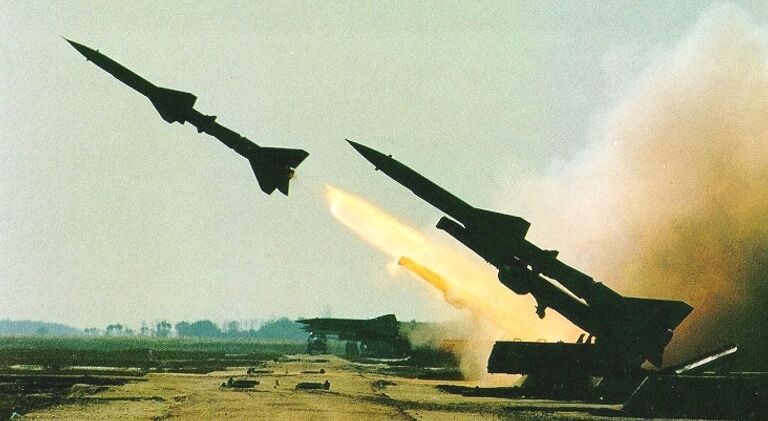
The success of the SR-71 program has remained in serious question. The aircraft’s sister design the A-12 which was developed in parallel for the CIA saw two hit by S-75 air defence systems over North Vietnam, which contributed to the decision to retire it after just a year in service. In its sole known engagement with hostile air defences, the SR-71 was in the 1980s almost shot down by a North Korean S-75 system, which failed to strike due to electronic warfare disruption, rather than due to the flight performance of the aircraft itself. The S-75 was in both cases at least a generation behind the cutting edge of Soviet air defence technologies, cementing a consensus that operating the SR-71 inside the airspace of more advanced adversaries would be highly challenging.
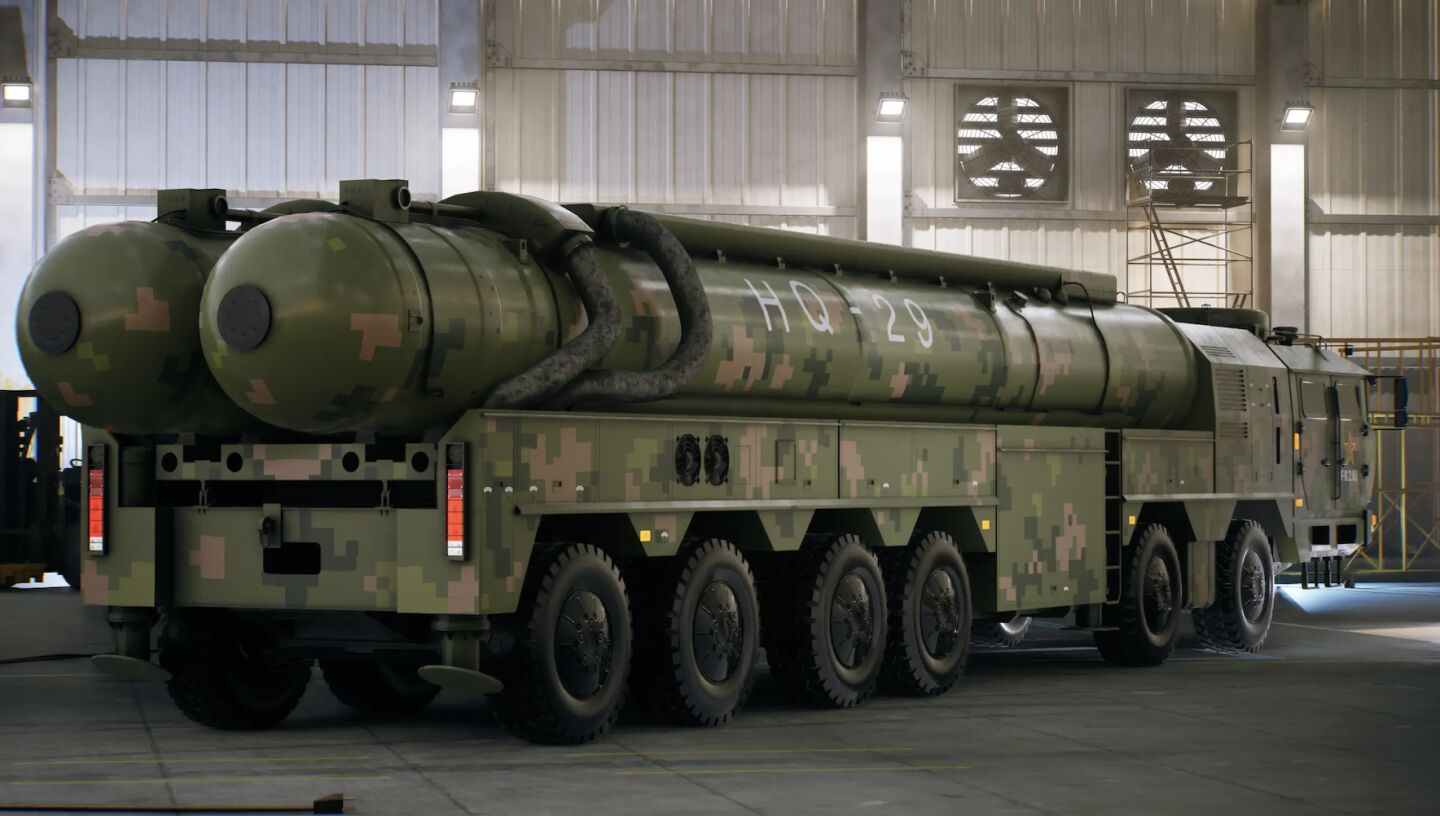
The viability of developing a very high speed high altitude aircraft for penetration missions remains in serious question. China and Russia have both developed multi-layered air defence systems capable of engaging targets in space at very high hypersonic speeds, most notably the Chinese HQ-29 and HQ-19 and the Russian S-500 and A-235 systems. Nevertheless, the capabilities of Russian combat aviation remain far more constrained for their time today than they were in the Soviet era, and while Soviet MiG-25s and later MiG-31s were a leading threat to the A-12 and SR-71, Russia’s next generation interceptor program which is consisted vital to defend its Arctic regions has suffered considerable delays in development.
