
Myanmar Receives New Sino-Pakistani Fighters; What Capabilities Does the JF-17 Provide?
Military Watch Magazine Editorial Staff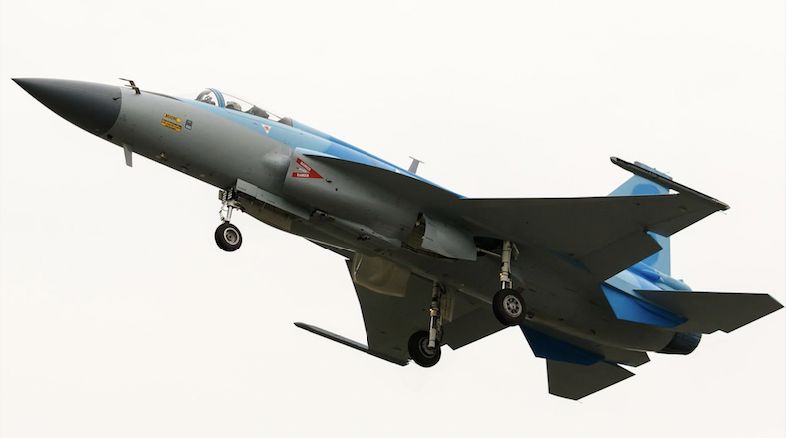
Myanmar Air Force JF-17 Thunder Single Engine Light Fighter
Myanmar's Air Force has reportedly received a new batch of JF-17 Thunder single engine light fighters, jointly manufactured by China and Pakistan, which are set to considerably modernise its aerial warfare capabilities. While Western powers have long placed Rangoon under harsh economic sanctions and strongly discouraged third parties from selling arms to the Southeast Asian country, which has long remained resistant to Western influence, China, Pakistan and Russia have all maintained strong defence ties to the country. The acquisition of JF-17 fighters comes shortly after Myanmar’s Air Force placed an order for six Russian Su-30 twin engine air superiority fighters, with followup orders reportedly planned, which came alongside comprehensive measures to strengthen bilateral defence ties between Moscow and Rangoon. The Su-30 is set to serve as a lethal complement the lighter jets.
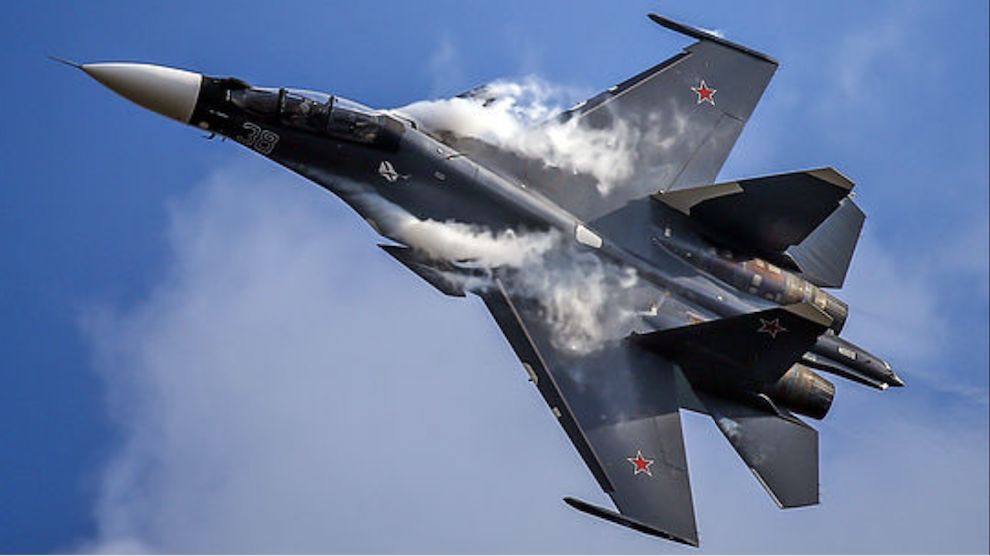
Russian Air Force Su-30 Air Superiority Fighter
The backbone of the Myanmar Air Force's fighter fleet is currently comprised of older variants of the Chinese J-7 light fighter and Russian MiG-29 medium weight fighters. The JF-17 Block II, heavily based on the J-7 design but considerably more advanced, could well eventually phase the J-7 out of frontline service - while the MiG-29 fleet is reportedly being modernised to remain viable. The JF-17 is capable of carrying a number of high end munitions which Myanmar’s Air Force previously lacked access to, including the PL-12 air to air missile which retains an engagement range of 100km and a high level of accuracy. Another formidable armament is the YJ-12, a 400km range anti ship missile with speeds of up to Mach 4 capable of posing a considerable threat to enemy warships at long distances. The fighters are capable of reaching altitudes of 17km - higher than rival fighters such as the F-16 or F-35 - which makes them an effective launch platform for over 15 types of air to air, air to ground and anti ship munitions with specialised standoff and visual range capabilities. This makes the fighter extremely versatile, despite its light weight and unimposing airframe. The JF-17 is also particularly prized for its low maintenance requirements and operational costs, which make it an ideal fighter for countries with lower defence budgets and allows pilots to spend more time training in the air than more costly heavier jets would.
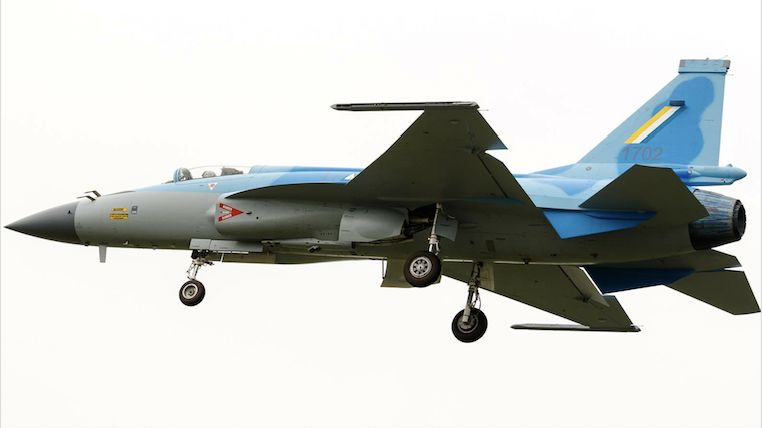
Myanmar Air Force JF-17 Thunder Single Engine Light Fighter
Myanmar is currently one of just two confirmed export clients of the JF-17, though several other countries including Azerbaijan, Egypt and Sri Lanka have shown considerable interest in acquiring the platforms. Whether Myanmar's Air Force will go on to acquire the more advanced but more costly JF-17 Block 3 currently under development remains to be seen, but the new fighter is set to be considerably more capable and field a number of next generation features including an AESA radar and new engines which will allow the fighters to exceed Mach 2. The aircraft will also make greater use of composite materials - making their airframes lighter and more resilient.
