
Malaysia Upgrading Russian Su-30 Fighters with New Mach 3+ Anti-Ship Cruise Missile
Military Watch Magazine Editorial Staff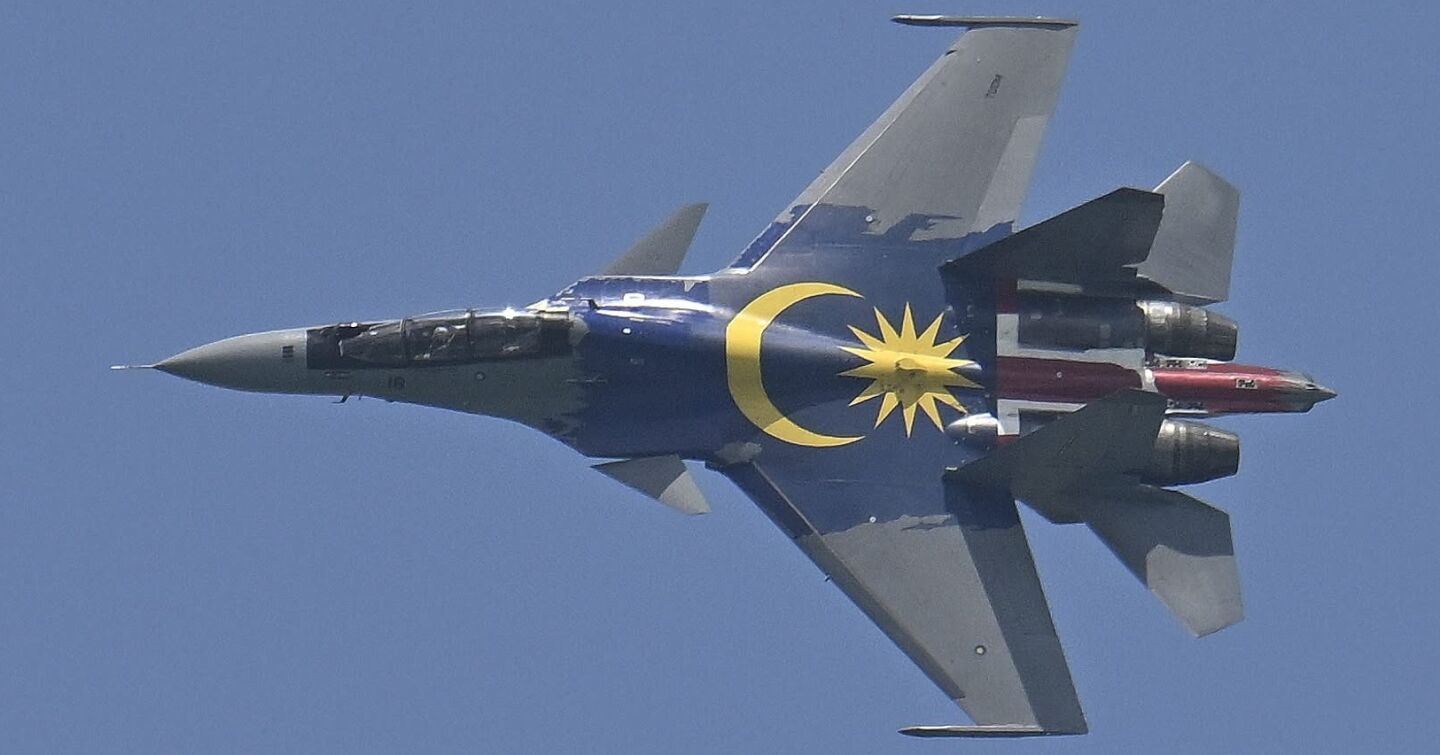
Royal Malaysian Air Force Su-30MKM Fighter
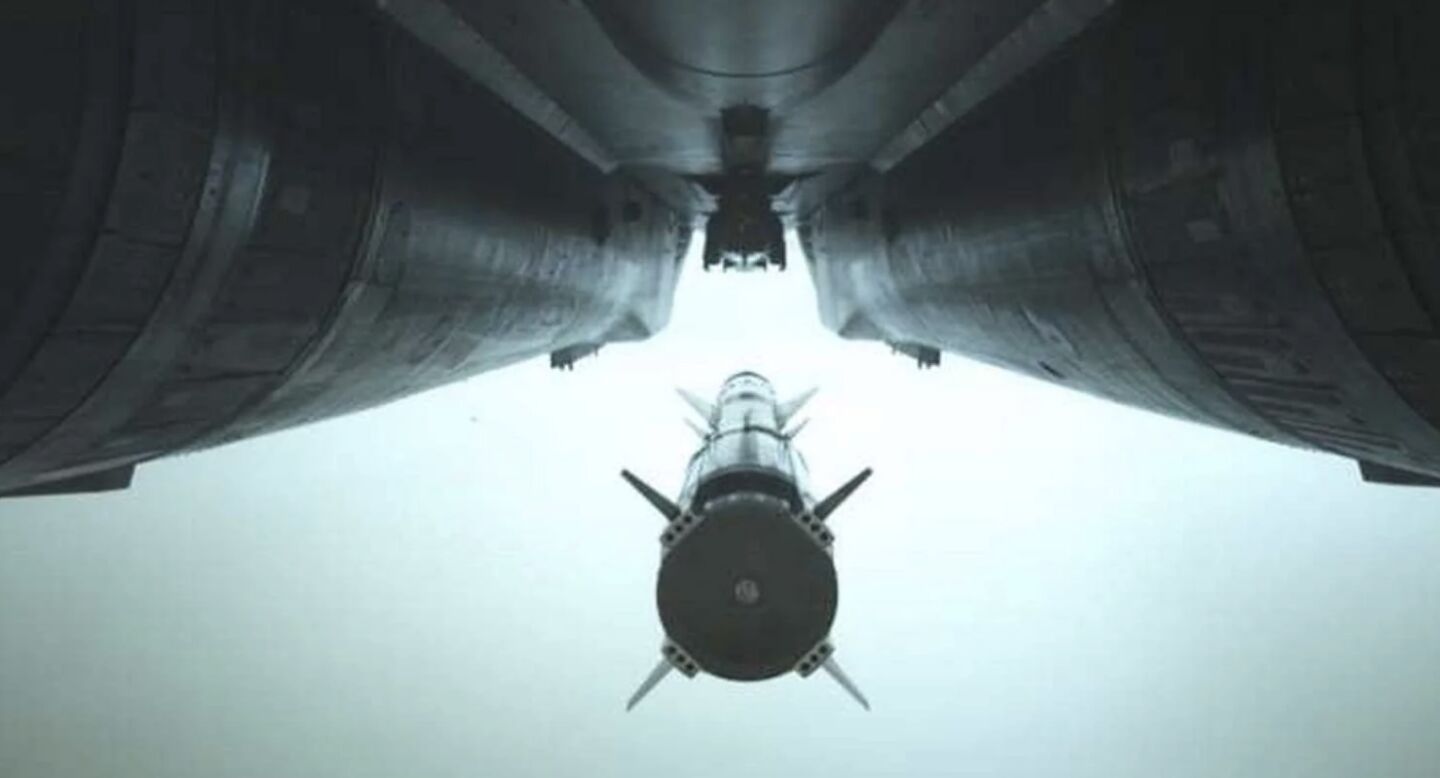
The Malaysian Defence Ministry is planning to equip its fleet of 18 Russian-supplied Su-30MKM fighters with the BrahMo cruise missile, potentially giving the Royal Malaysian Air Force a major new long-range strike capability. Prime Minister Anwar Ibrahim confirmed during the BRICS summit in New Delhi that his government was exploring the acquisition air-launched BrahMos cruise missiles. The BrahMos was jointly developed by Russia and India, with the air launched variant developed specifically to equip Indian Air Force Su-30MKI fighters, on which the Su-30MKM design is closely based.
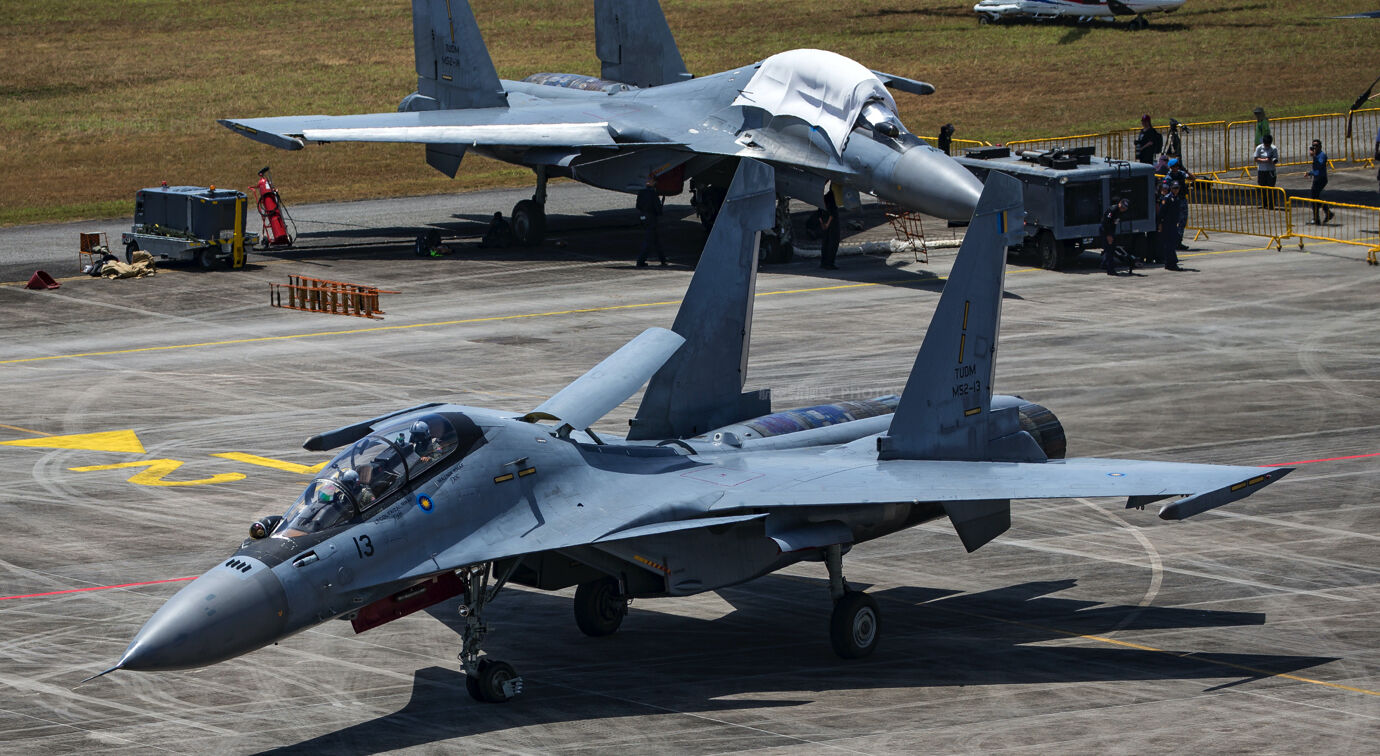
Prime Minister Ibrahim stated that the issue had been discussed during his bilateral meeting with Indian Prime Minister Narendra Modi. He emphasised, however, that the final decision would rest with the Royal Malaysian Air Force, noting that the service had already held initial discussions regarding the system. He further stated that he was personally supportive of the acquisition, citing the high level of trust underpinning Malaysia’s relationship with India. The potential acquisition would provide a particularly significant enhancement to the Su-30MKM fleet’s maritime strike capabilities, with the fighter type already being the longest ranged and in many respects the most capable in Southeast Asia.
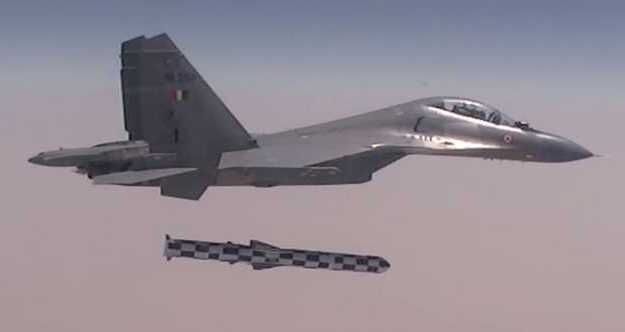
Malaysia’s fighters are already capable of integrating Kh-31 supersonic air-to-surface missiles, including anti-radiation and anti-ship variants, providing the aircraft with a powerful stand-off strike capability. The BrahMos, however, is a substantially larger and longer-ranged weapon, while also offering a modern guidance system and a dedicated long-range anti-ship capability. Its size, however, means that only one can be carried by each fighter, where up to six Kh-31s can be integrated. The BrahMos’ design is closely derived from the Russian P-800 family of supersonic cruise missiles, which is closely based on Soviet era technologies.
Powered by a ramjet during the cruise phase, the missile is capable of speeds approaching Mach 3, making it considerably faster than most conventional subsonic anti-ship cruise missiles and giving defending warships substantially less time to detect, track and engage it. The missile would be particularly valuable in the South China Sea, where Malaysia maintains extensive maritime interests and an Exclusive Economic Zone extending over strategically important waters. Su-30MKMs armed with BrahMos could launch from well outside the effective engagement envelope of many shipborne air-defence systems while retaining the ability to threaten major surface combatants at considerable distances.
As Malaysia considers options to procure fifth generation fighters, including the Russian Su-57 and South Korean KF-21, a reduced reliance on the Su-30MKM for air defence roles could make repurposing the fleet for dedicated maritime strike operations highly favourable. The development of future variants of the BrahMos, which is currently underway, could also allow the fighters to be upgraded as new missile types become available. The possibility also remains that the Defence Ministry will consider procuring land and sea-based variants of the missile.
