
Lockheed Martin Contracted to Provide Saudi Arabia with THAAD Missile Batteries
Military Watch Magazine Editorial Staff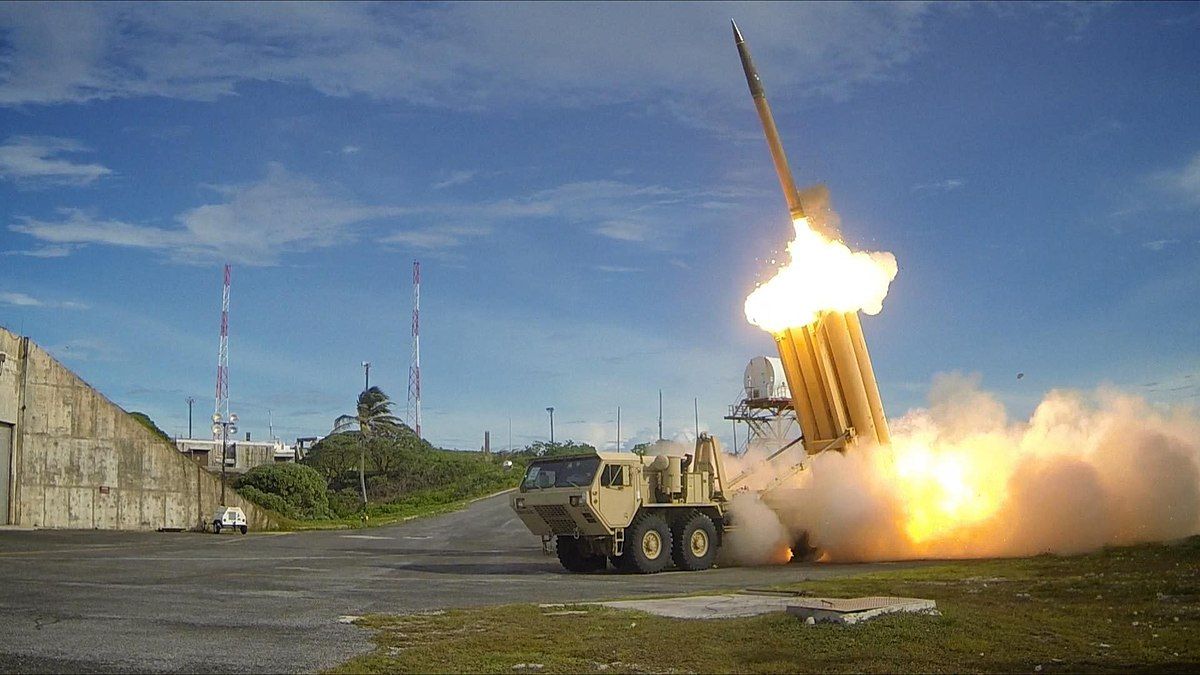
THAAD Surface to Air Missile Battery
The U.S. Missile Defence Agency has provided the world’s largest defence contractor, Washington D.C. based Lockheed Martin, with a contract of over $2.4 billion contract to manufacture Terminal High Altitude Area Defence (THAAD) surface to air missile systems for the armed forces of Saudi Arabia - according a recent statement from the U.S. Department of Defence. “Lockheed Martin Corporation Missiles and Fire Control Dallas, Texas is being awarded a $2,457,390,566 modification… contract for the production of THAAD interceptors… to support the U.S. government and the Kingdom of Saudi Arabia," the release stated on April 1st. Saudi Arabia signed a contract to purchase of the THAAD weapons system in November 2018 under a $15 billion, which included 44 THAAD launchers, missiles and equipment - one of the largest sales of military equipment in U.S. and world history.
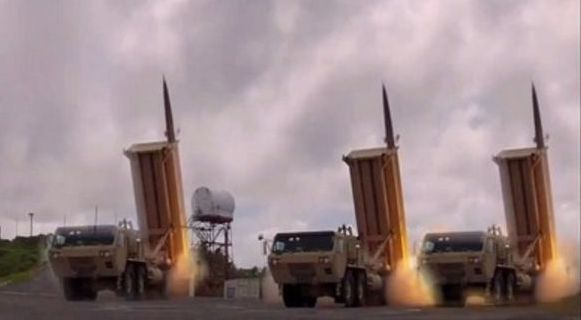
The THAAD system entered service in 2008, and was designed as a higher altitude and longer ranged complement to the MIM-104 Patriot surface to air missile platform. While the Patriot was designed to cover small tactical locations such as airbases and ports, and is capable of engaging both aircraft and missiles, THAAD retains a far wider coverage but is restricted to intercepting missiles only. The system fires only a single type of munition, which does not make use of a warhead but instead relies on a direct hit on incoming missies to neutralise them. The THAAD system's highly limited range of interception ranges and altitudes somewhat limits its applicability against missile attacks however, and its testing record even under ideal conditions raises serious questions as to its combat performance. Saudi Arabia represents the THAAD platform’s only export client so far, though Japan has also shown considerable interest in the system to complement the capabilities of its Patriot and AEGIS Ashore batteries. The threat posed by potential Iranian missile attacks, which Saudi Arabia's existing Patriot batteries and planned Israeli Iron Dome batteries considered far from sufficient to defend against, has reportedly provided a stimulus for the Arab kingdom to strengthen its missile defences. Saudi Arabia is also currently negotiating a contract for the Russian S-400 surface to air missile system, which retains double the engagement range of the THAAD platform and is capable of engaging aircraft and cruise missiles as well as ballistic missiles and doing so at high hypersonic speeds. Deployment of such a combination of high end Russian, U.S. and Israeli systems could well make Saudi airspace among the best protected in the world.
