Kazakhstan Fighter Units Gain Experience Operating Alongside Chinese J-10C Jets: J-35 Purchases Likely
Military Watch Magazine Editorial Staff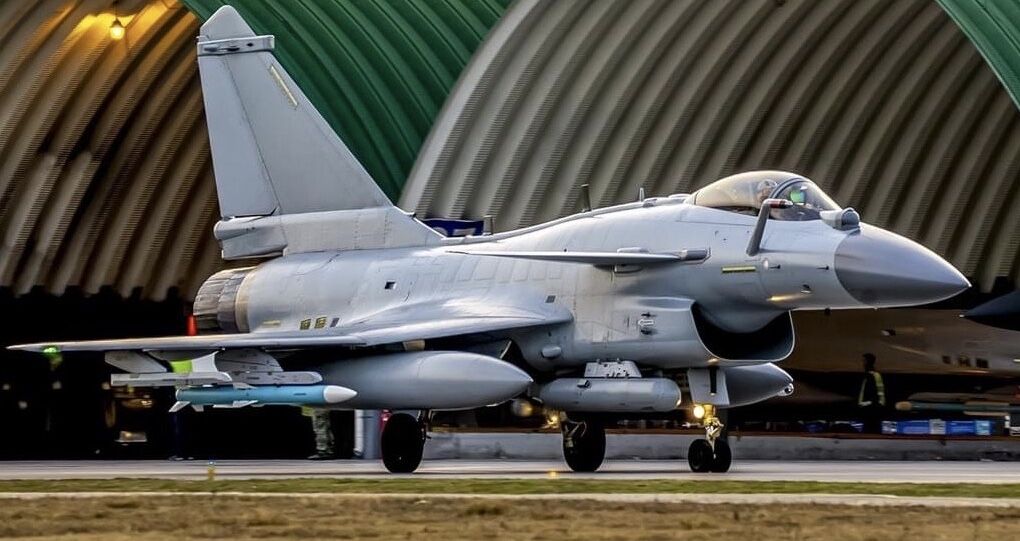
Chinese PLA Air Force J-10C Fighter
Uzbekistan’s newly acquired Chinese J-10C fighters are confirmed to have operated closely alongside Kazakhstan Air Defence Forces Su-30SM fighters, with the two serving as the principle types of combat jets in the two respective services. Uzbekistan publicly unveiled its J-10Cs in August 2026, becoming the second confirmed foreign operator, and providing it with what is now by far the most advanced fighter type in Central Asia. Opportunities to operate alongside the J-10C, and potentially contrast its capabilities with those of Russian-origin fighter types, could influence a future Kazakh decision on the future of its fighter fleet, as the Air Defence Forces plan a transition away from reliance on the Soviet MiG-31 and Russian Su-27/30.
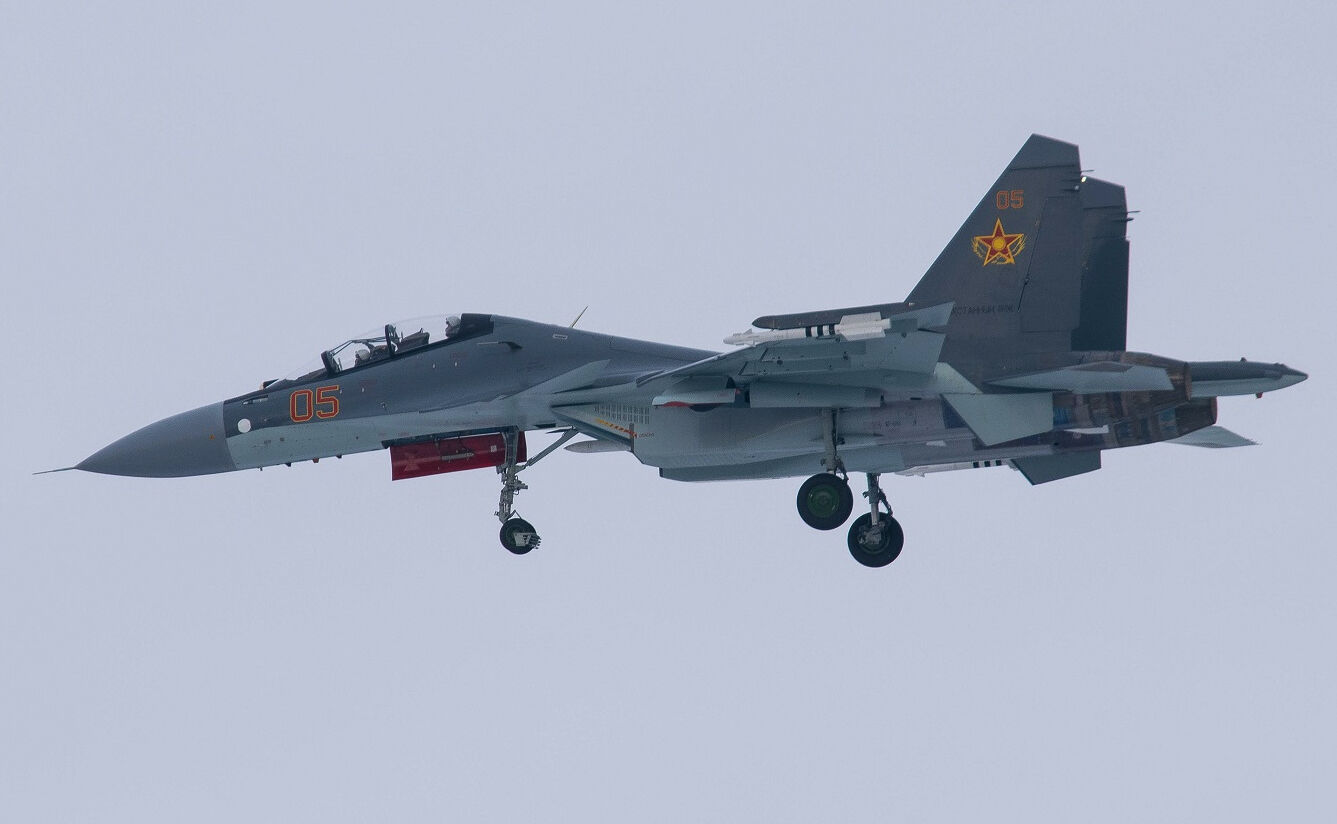
While the Su-30SM serves as Kazakhstan’s principal modern multirole fighter, its most capable combat jet for air defence operations remains the MiG-31BM interceptor, which integrates a much larger more powerful radar and was designed to cruise at speeds of Mach 2.35. Both are ageing and very high maintenance designs, however, with the J-10C in many respects being more cost effective due to its combination of much lower operational costs and more sophisticated avionics and weaponry. Although the J-10C’s short range and small radar size may prevent it from being considered for procurement by Kazakhstan, larger Chinese fighter types, most notably the J-35, are considered frontrunners to re-equip its fleet, potentially first replacing its Soviet-built Su-27s and possibly its MiG-31s in service.
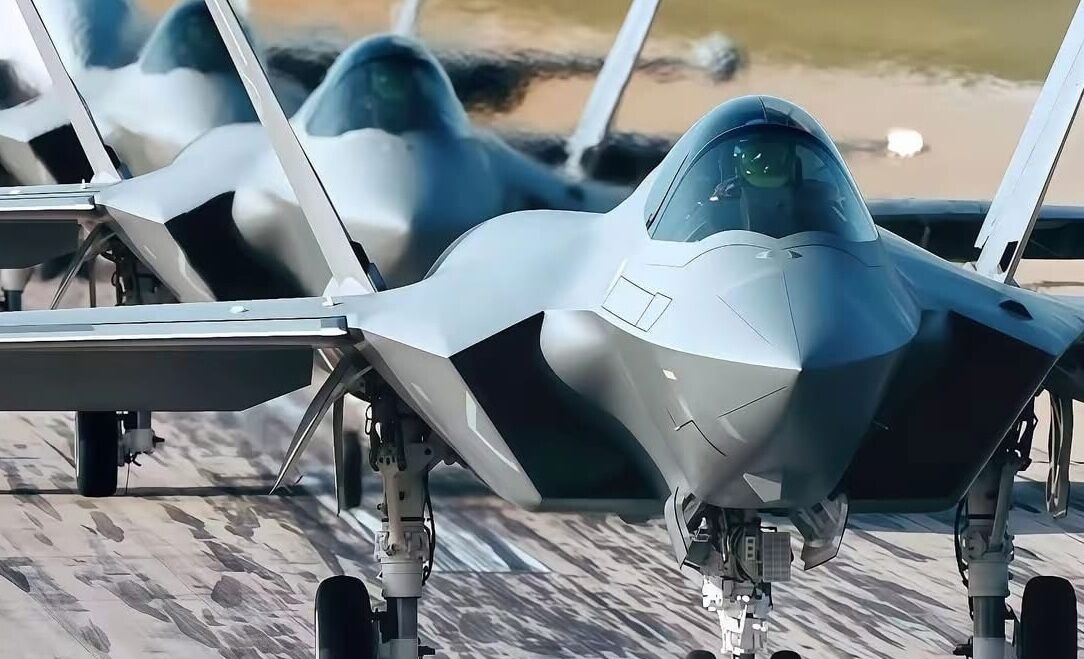
The fact that Russia defunded two programs to develop successors to the MiG-31 after the USSR disintegrated has left Kazakhstan without options to procure a direct successor to the type, although a successor to the Su-27 and Su-30, the Su-57, saw its first exports made in 2025. In late August multiple Kazakh and Russian sources reported that the Kazakhstan Air Defence Forces were scheduled to receive its first fifth generation fighter aircraft within two years. The Su-57 and J-35 are considered the only likely options. It is highly possible that the service will procure a mixed fleet of both fighter types, with the Su-57 potentially replacing the MiG-31 and Su-27, while the J-35 later replaces the Su-30SM, which would allow Astana to balance its ties with its two primary neighbours and strategic partners. Evaluations of the J-10C could help inform decisions regarding the extent to which the J-35 should be prioritised.