
Japanese Fighters Conduct Simulated Attack Runs Against Chinese Aircraft Carrier Liaoning
Military Watch Magazine Editorial Staff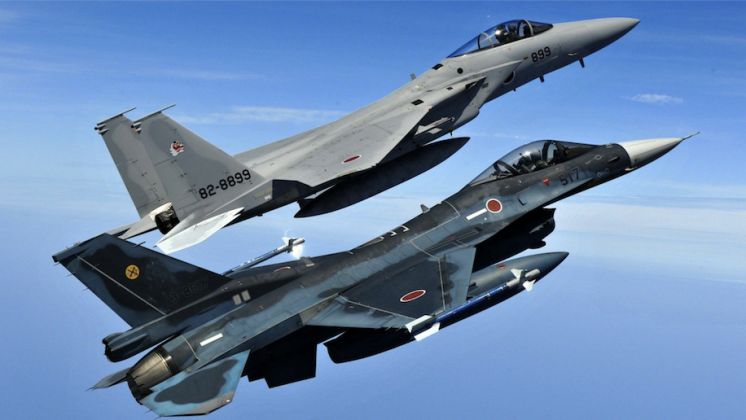
Japan Air Self Defense Force F-15J and F-2 Fighters
During the recent 40-day deployment of the Chinese aircraft carrier Liaoning for 40 days of operations in the western Pacific, the Japan Air Self Defense Force and Maritime Self Defense Force not only closely monitored the carrier group, but also carried out "targeted simulated attacks,” according to Chinese state sources. Although Japanese media described warships and fighters conducting simulated attack profiles against the Chinese vessels, following significant controversies Japan's Ministry of Defense claimed this had not occurred. Chinese media outlets reported that Japanese forces had also adopted unusually close tracking tactics during the deployment, and approached the carrier group at close range, which were a significant departure from previous surveillance activities.
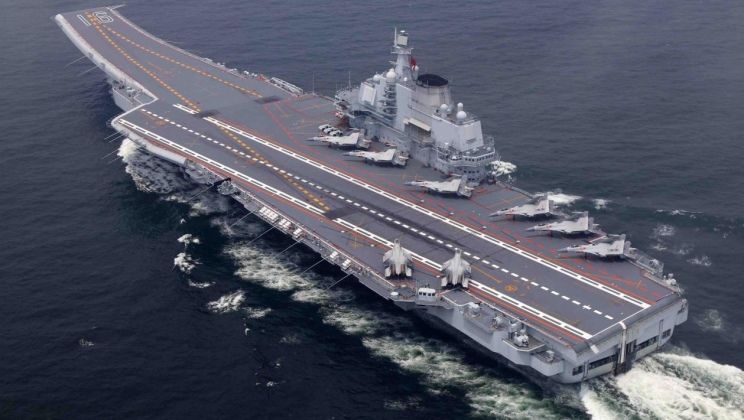
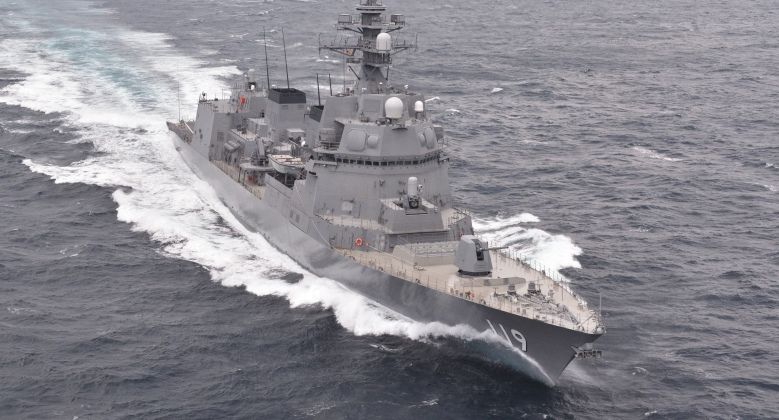
The Liaoning carrier group departed for the Western Pacific on May 19, and also exercised in the South China Sea and other unstated regions. Aside from launching simulated strikes, Japanese vessels and aircraft were previously reported to have repeatedly harassed the carrier group. The Japanese destroyer JS Asahi, which was deployed to monitor the Liaoning carrier group, and was involved in an engagement with the Type 054B class frigate Luohe during operations. The Liaoning returned to its home port from far-sea combat training in mid-June. The carrier has proven capable of launching sorties rapidly near U.S. military bases in Japan using J-15 long range fighters.
The latest Japanese simulated strikes have occurred at a time of steadily rising tensions between China and Japan, which began when Japan’s new prime minister, Sanae Takaichi, in November 2025 threatened to intervene militarily in the ongoing conflict between the People’s Republic of China on the Chinese mainland, and the Republic of China based on Taiwan Island. The Liaoning has played a central role in China’s responses, and in what was widely interpreted as a response to this threat, unprecedented engagements in December saw Chinese People’s Liberation Army Air Force J-15B fighters based on the carrier form radars locks on Japanese F-15 fighters over international waters southeast of Okinawa Island on December 6. Taiwan-based media outlets reported that the Japanese military leadership were “freaked out,” by the results of the two engagements, as the U.S.-supplied F-15s were overwhelming outmatched by the much newer Chinese aircraft.
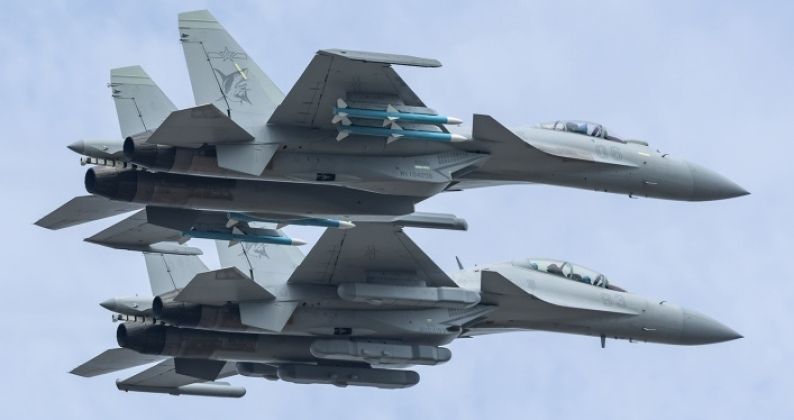
The entry into service of the J-15B ‘4+ generation’ fighter and J-15D electronic warfare aircraft, which was confirmed in late 2024, has fundamentally transformed the combat potential of the Liaoning’s air wing, with the aircraft having few rivals in terms of their combat capabilities. The original J-15 was already a large and powerful fighter, but its avionics were based on technology developed more than a decade earlier. The J-15B introduces a modern active electronically scanned array (AESA) radar, a redesigned cockpit, upgraded mission computers, and improved data links. These improvements significantly enhance target detection, tracking, resistance to electronic attack and the ability to share targeting information with other aircraft and ships. The J-15D integrates dedicated electronic warfare pods, electronic intelligence sensors and specialised mission systems, allowing it to escort strike packages while degrading enemy radar performance and suppressing air defences. This greatly increases the survivability of the carrier air wing and enables operations against much more heavily defended targets than previously possible.
