
Japan Unveils First Hyper Velocity Gliding Projectile to Counter Chinese Naval Advances
Military Watch Magazine Editorial Staff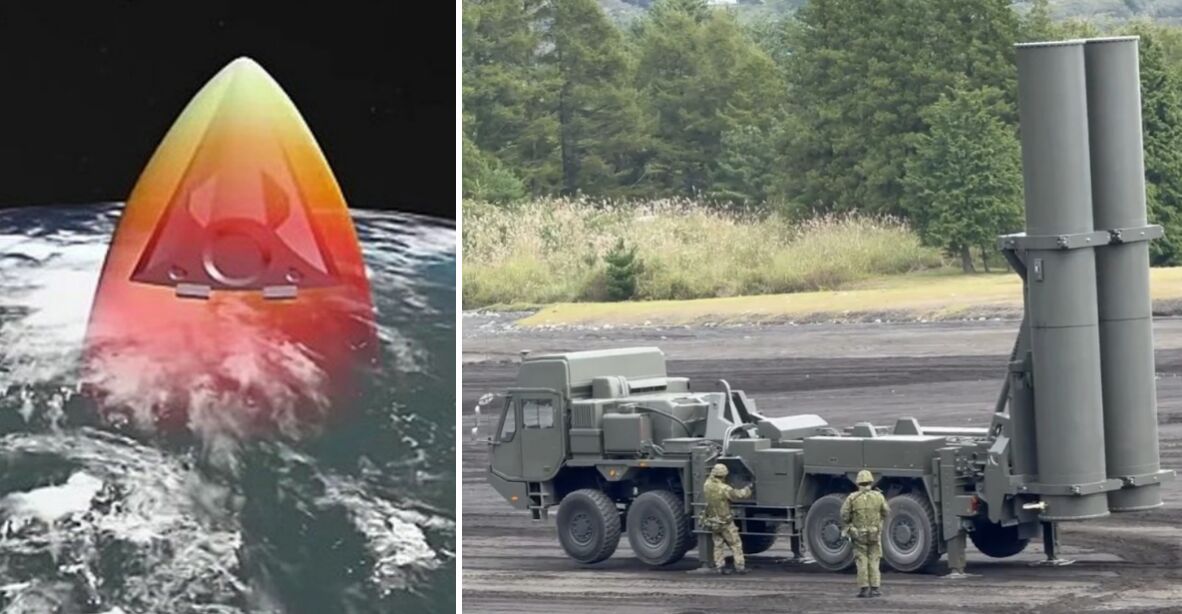
Type 25 Launcher and Hypersonic Glide Vehicle Artwork
Japan’s newly designated Type 25 Hyper Velocity Gliding Projectile has been seen operating at Camp Fuji, providing the first ever view of the country’s first domestically developed high-speed glide weapon in frontline service. New video footage shows the missile system arriving at a firing position, raising its launch canisters, and subsequently withdrawing, offering a detailed look at the operational procedures being developed by the Japan Ground Self-Defense Force. An 8×8 road-mobile launcher carried two large missile canisters, and moved into position before elevating the canisters into their firing configuration, after which the system lowered them and departed the site. The sequence demonstrated the mobility of the system and its ability to rapidly transition between movement and launch preparation.
The Type 25 was introduced into service on March 31, representing the first time Japan had delivered domestically produced stand-off missiles to operational Self-Defense Force units. Defence Minister Shinjiro Koizumi said the weapons would allow Japan to respond to hostile forces from outside the threat zone of enemy units attempting to invade Japanese territory. The system was reportedly designed specifically for the defence of Japan’s remote islands, and uses a different flight profile from conventional cruise missiles. A rocket booster accelerates the weapon to high altitude before the glide vehicle separates and travels towards its target at very high speed, with manoeuvring during the terminal portion of its flight intended to complicate interception.
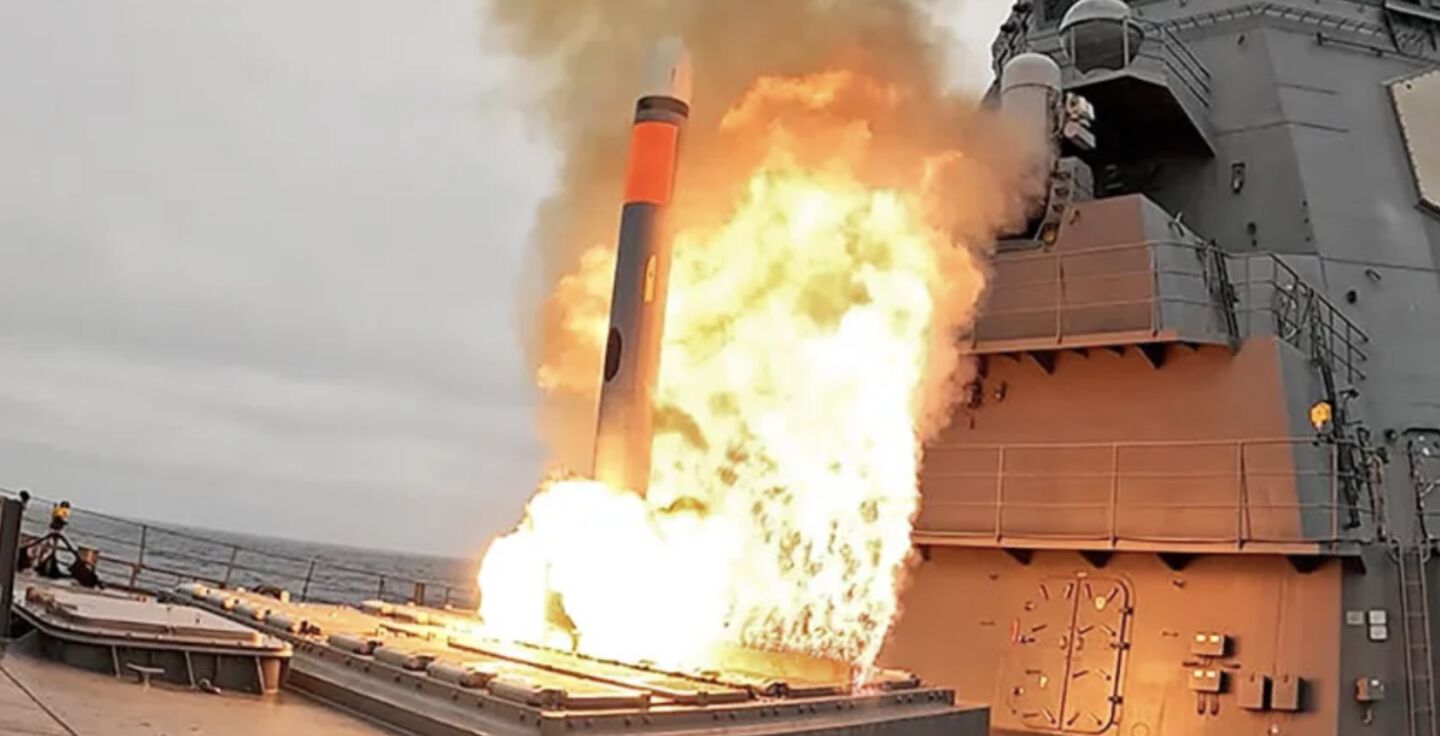
Japanese authorities have not publicly disclosed the exact range of the Type 25’s projectiles, but has announced the development of improved versions with substantially greater ranges. The weapon’s high-speed glide trajectory is intended to provide a combination of range, speed and manoeuvrability. Each glide vehicle can alter its flight path during the descent, potentially making interception more difficult for existing missile-defence systems. The Type 25’s deployment forms part of a much broader expansion of Japan’s long range strike capabilities. Tokyo has been developing and procuring a range of systems including upgraded Type 12 missiles, U.S.-made Tomahawk cruise missiles and a new indigenous hypersonic missile program. Japan’s 2026 Defence White Paper states that the country is accelerating the development, production and acquisition of stand-off missiles with different ranges, speeds, flight profiles, target sets and launch platforms.
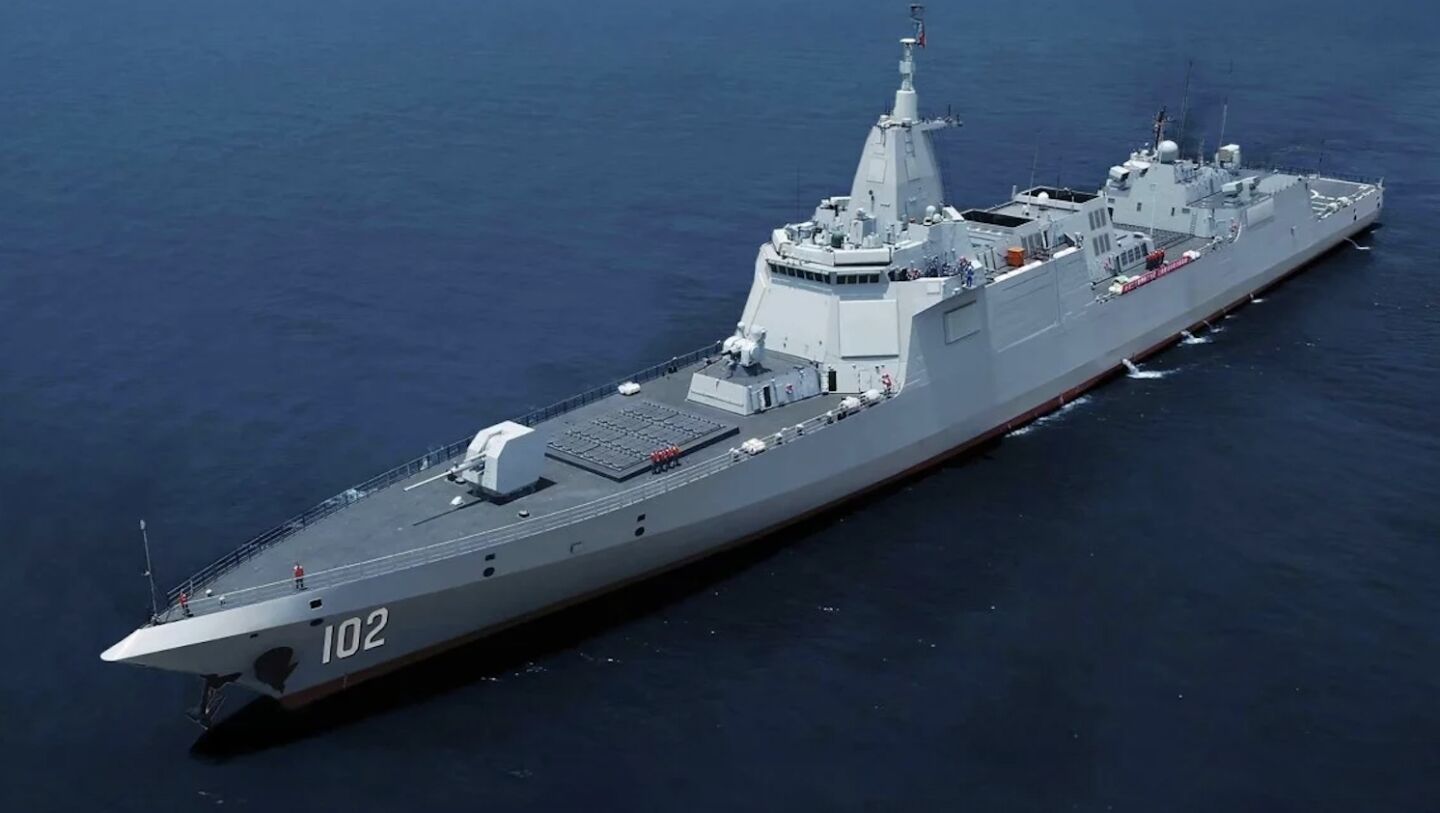
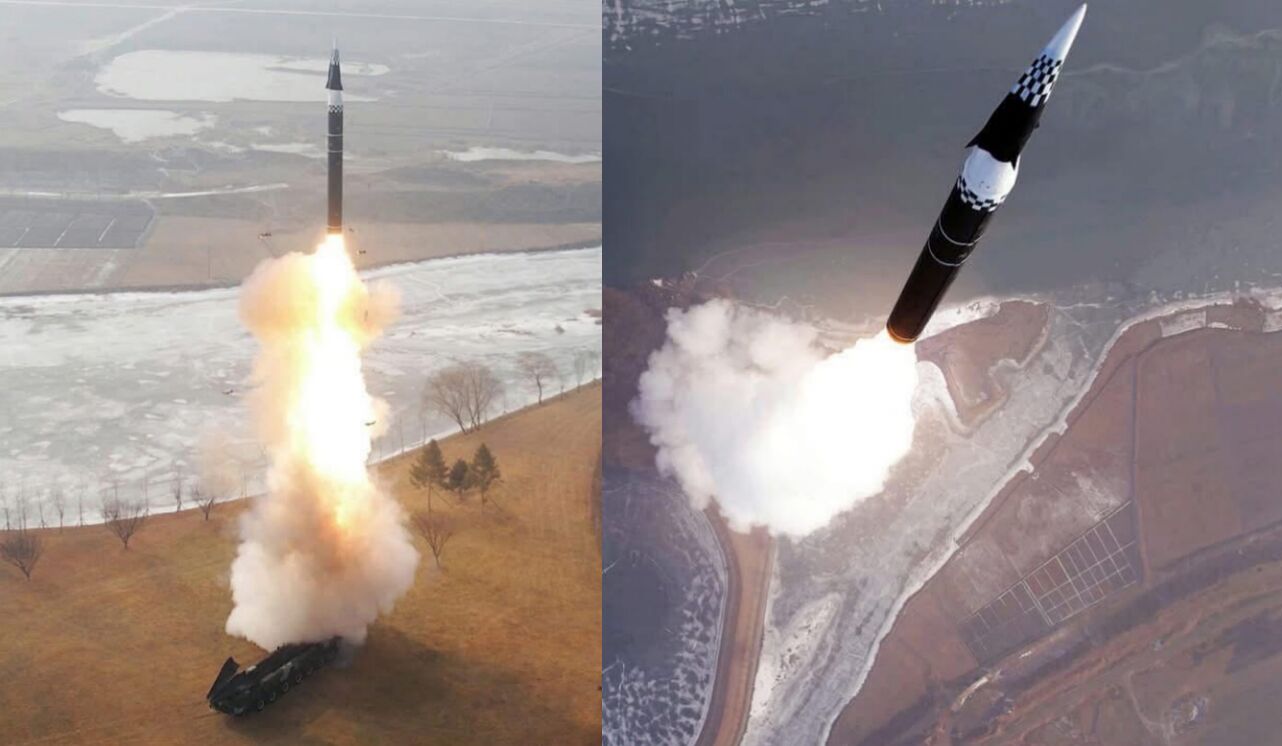
Japan is the fifth country to have brought hypersonic glide vehicles into service after Russia, China, North Korea and Iran, with Iranian and Russian forces having been the only ones to utilise them in combat. The development of the Type 25 was initiated as Japan faced an increasingly unfavourable balance of power both in the air and at sea, with China leading the world by a very considerable margin in fighter development, while its Type 055 destroyers and Type 095 attack submarines have in many respects leapfrogged the capabilities of other peer competitors to provide capabilities with no fully peer competitors abroad. Advanced hypersonic glide vehicles allow Japanese forces to strike warships and air bases without needed to engage them with its own destroyers, submarines or fighters.
