
Israeli Fighters Increasingly Find Themselves Outranged By Neighbours: David’s Sling Missile System Could Provide a Solution
Military Watch Magazine Editorial Staff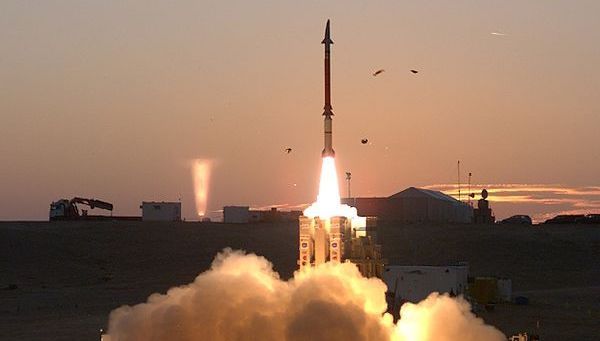
Israeli David's Sling Surface to Air Missile Battery
As the Israeli Air Force looks to modernise it’s inventory, investing in new F-35 and possibly F-15I heavyweight fighters while beginning to phase older F-16 Fighting Falcons out of service, the service has also looked to acquire more modern air to air missiles to ensure a continued advantage over potential adversaries. Israel formerly relied on AIM-7 Sparrow air to air missiles as its first standoff platform, which it acquired from 1968 after the platform was extensively combat tested and heavily refined by American forces during the Vietnam War. While these provided a considerable advantage over Soviet built aircraft at the time, the entry into service of new Soviet missiles deployed to the Middle East including the R-23 and R-40 from the late 1970s and later the R-27 around ten years later all seriously undermined this advantage. The R-40 in particular was capable of comfortably outperforming the AIM-7, although it was deployed in very limited numbers by Syrian and Iraqi MiiG-25 interceptors. Israel would thus come to receive the American AIM-120 AMRAAM shortly after the Cold War’s end as one of the first clients for the missile. The AIM-120C, with a range of around 105km, is the most capable variant of this missile made available for export and currently equips Israel’s most advanced fighter units.
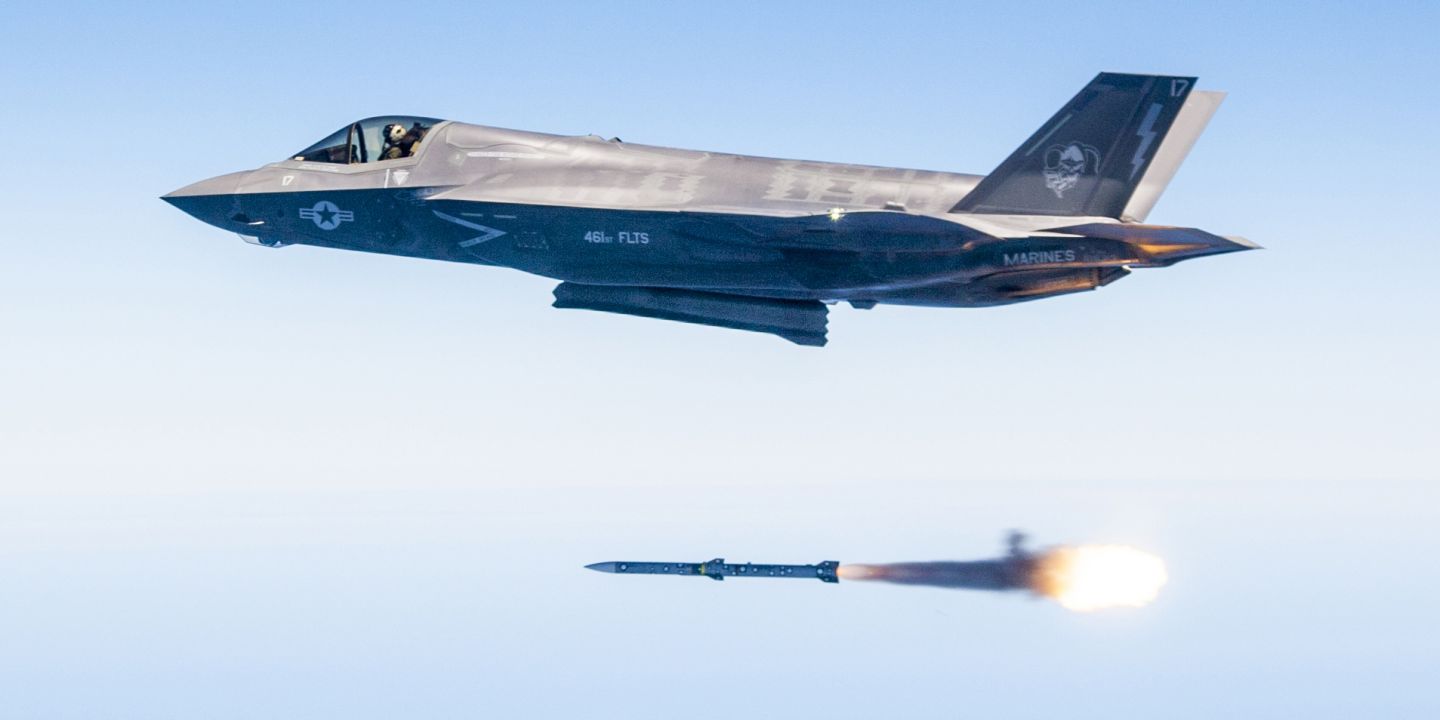
While formidable for its time, the AIM-120C design is fast ageing and Israel increasingly faces prospects of engaging aircraft equipped with more capable missiles near its borders. The 50 MiG-29M fighters ordered by Egypt and smaller contingent of MiG-29SMT fighters orders by Syria all deploy more advanced and longer ranged Russian missiles, while Russian Su-35 air superiority fighters deployed to Syria are capable of deploying advanced R-37M hypersonic missiles with a 400km range. Egypt is also reportedly set to receive the Su-35 in 2020 - and these too are able to deploy R-37M missiles. Egyptian Rafale fighters acquired from France, while currently reliant on underpowered and relatively short ranged MICA missiles, are likely to deploy Meteor missiles in future. Though slower and shorter ranged than the R-37M, the Meteor is still capable of comfortably outperforming the AIM-120C which Israel currently relies on.
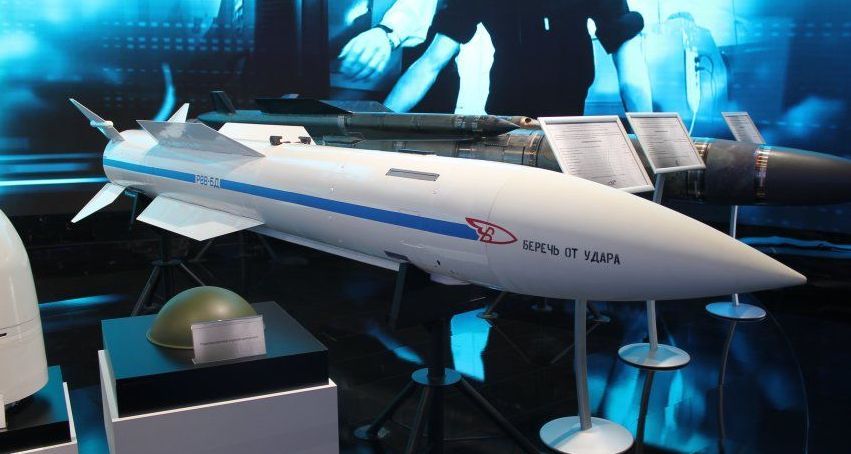
Israel will have a number of options to modernise its air to air missile arsenal in the 2020s, including the AIM-120D which is likely to be approved for export, the Peregrine and AIM-260 currently under development, and even the Meteor which, though less capable, is compatible with the F-35. In seeking to diversify its options for modernisation, and potentially develop something less expensive domestically, as next generation missiles are expected to cost several million dollars each, Israel has also looked its new David’s Sling surface to air missile system for a potential solution. The David's Sling was developed jointly by America's Raytheon and Israel's Rafael, and is slated to replace both the Patriot and the MIM-23 Hawk currently in service. The platform began to enter service from April 2017, and according to some reports can engage targets over 200km away. While primarily intended to engage enemy missiles, the Stunner missiles used by the David’s Sling can potentially be modified into an air to air platform to equip Israeli F-16, F-15 and possibly even F-35 fighters - the last requiring that the missiles be miniaturised to fit in its internal weapons bays.
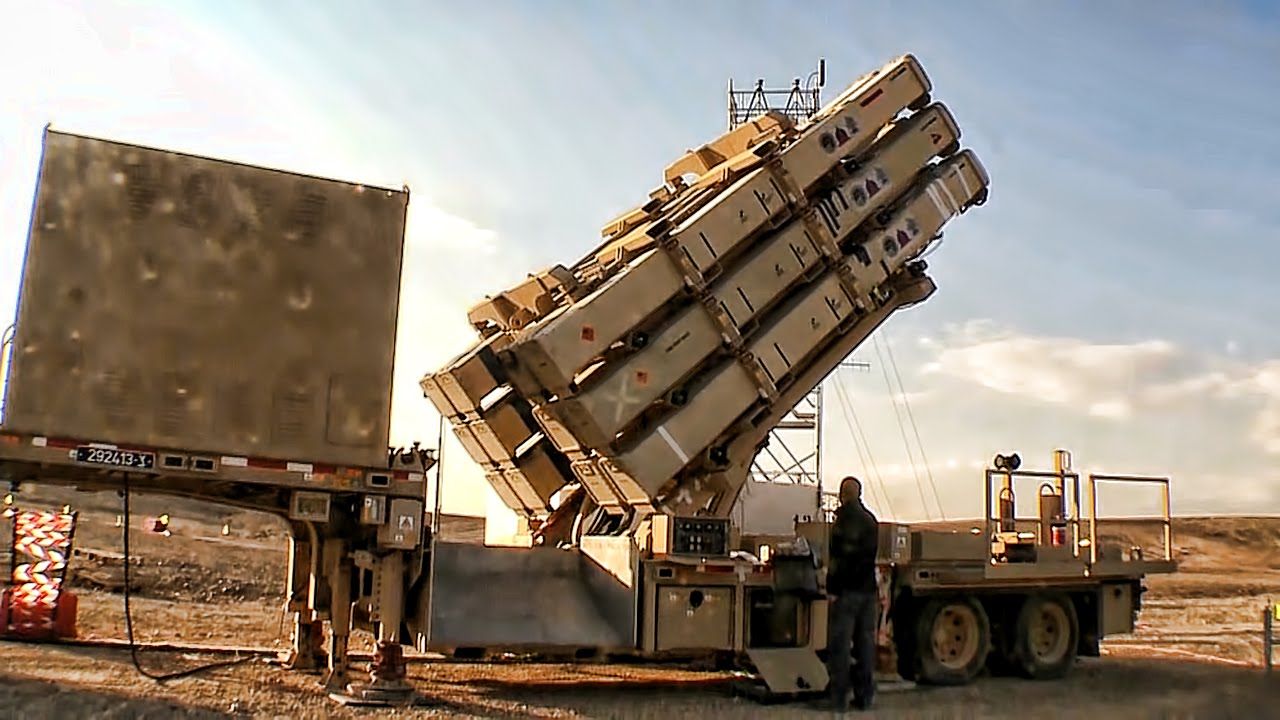
The Stunner has a three-pulse motor which alters thrust during different portions of its flight, and provided superior acceleration and manoeuvrability during its missile's terminal attack phase. This is particularly critical as the missile does not carry a warhead, and instead uses a hit to kill system meaning it relies on impacting a target at high speed to neutralise it. While a hit to kill system significantly reduces a missile’s weight and increases manoeuvrability, its viability against agile targets such as fighter jets remains questionable with heavy warheads traditionally favoured to achieve a high probability of kill. Should hit to kill be deemed viable however, there is a significant chance that the Stunner could see service as an air launched platform.
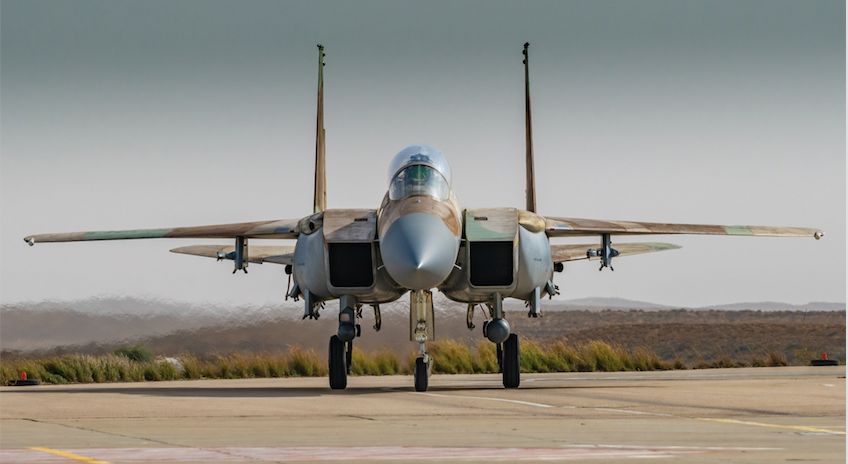
A major benefit the Stunner missile would bring to the front would be its guidance system, as rather than relying exclusively on either infrared or radar guidance as other air to air platforms do it uses multiple systems to maximise the probability of kill. By using both infrared and AESA radars to guide it towards its target, supplemented by a data link providing it with mid course updates from ground based sensors, the missile becomes extremely precise and very difficult to jam using conventional methods. An air launched variant could make use of data links connected to the powerful sensors on F-15 and F-35 jets, which will provide future Israeli fighter squadrons with excellent situational awareness. While this adds considerably to the cost of the missiles, the greater probability of kill will potentially allow less to be expended per target and overall prove cost effective. Although technologies from the David’s Sling system may provide Israel with an effective means to modernise its air to air capabilities, the fact that these were jointly developed with considerable technological inputs from American defence firm Raytheon means development of an air to air platform, and of exporting of this platform once developed, will require American approval. Should the new missile be seen as a competitor to American missile systems, or as granting insufficient benefits to American manufacturers, such a project could face a veto from Washington from the outset.
