
Israel Still Targeting Iran’s S-300 Air Defences After Western Sources Claimed All Were Destroyed 18 Months Ago
Military Watch Magazine Editorial Staff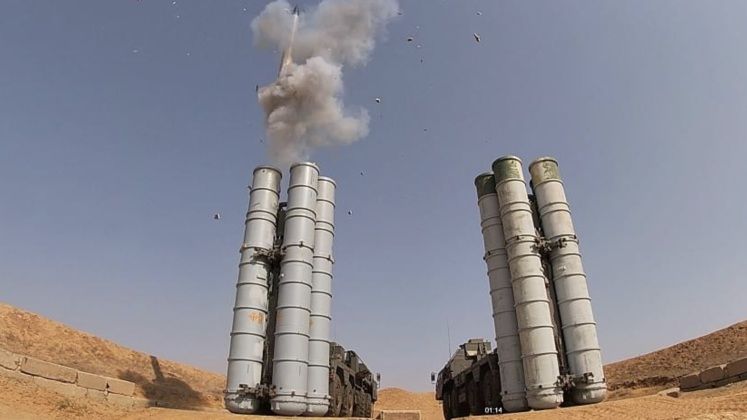
Surface-to-Air Missile Launch From S-300 System
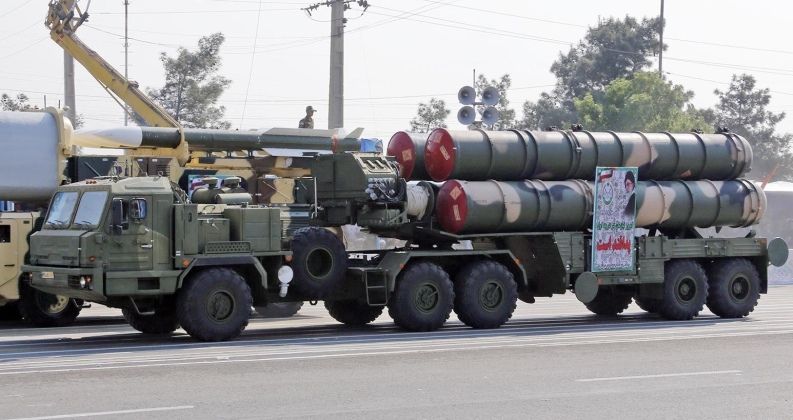
Israeli footage has shown a successful strike on components of an Iranian Air Defence Forces S-300PMU-2 long range air defence system, as part of a broader air campaign launched against Iran on February 28. The operation is notable as it follows claims by a wide range of Western sources from October 2024 that all Iranian S-300PMU-2 systems had been destroyed during Israeli attacks that month - a claim that was widely questioned due to the speed with which it was allegedly achieved, and the need Israel had at the time for a public relations victory. The release of evidence by Israeli forces of S-300 systems still operating indicates that these claims were indeed exaggerated.
Commenting on claims of Israeli forces destroying Iran’s entire S-300 network in October 2024, expert on the F-35 fighter program and author of F-35 Joint Strike Fighter: A Great and Terrible Program, Abraham Abrams, observed:
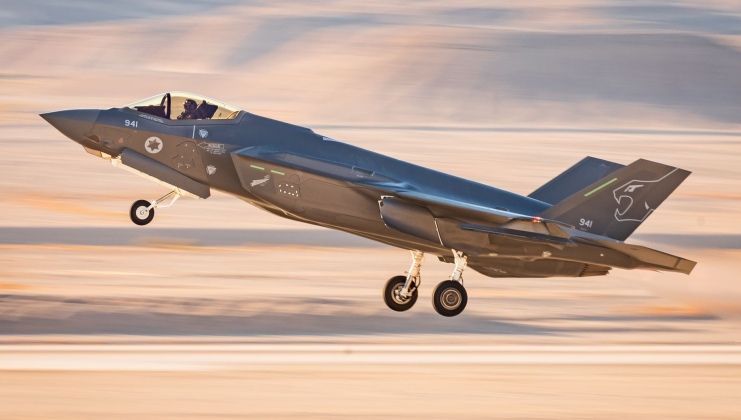
“A number of factors made claims that such a large and critical portion of Iran’s air defence network had been destroyed in a few hours appear dubious, including the complex multi-layered nature of the network, its demonstrated combat potential in the past, and the fact that F-35s lacked Block 4 software and the AGM-88G anti-radiation missiles that came with it. To place the claims made in perspective, the Russian Aerospace Forces had struggled to destroy Ukraine’s network of Soviet-built S-300PS/PT systems in an almost three-year campaign, and while Israel’s F-35s were much more advanced than Russian fighters such as the Su-34M, the S-300PMU-2 was also far more sophisticated and more challenging to neutralise, and was protected by more layers of shorter ranged systems than Ukraine’s S-300s were.”
In February satellite imagery confirmed the redeployment of Iranian S-300PMU-2 systems to air defence sites near the capital Tehran, as well as to the second city of Isfahan, amid a large scale buildup of U.S. forces around the country. The S-300PMU-2 is one of just two post-Cold War types of surface-to-air missile systems known to have been procured by Iran from abroad, with the other being the short ranged Tor-M2 system acquired in the 2000s for cruise missile defence. The Iranian Defence Ministry previously ordered Russian S-300PMU-1s systems in 2007, before the deal was unilaterally terminated by the new administration of President Dmitry Medvedev under Western and Israeli pressure.
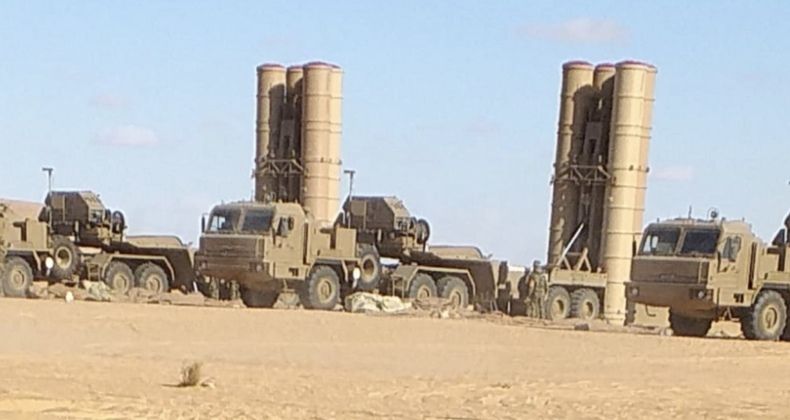
At a time of increased tensions between Russia and the West in 2016, an agreement was reached to provide the more capable S-300PMU-2, which integrates 48N6DM surface-to-air missiles that have particularly advanced anti-missile capabilities. Responding to this challenge, Israel and multiple NATO members trained extensively from the mid-2010s to neutralise the systems, primarily by using S-300PMU-1 systems supplied to Greece to simulate the capabilities of the Iranian system. The very limited numbers of long range air defence systems in service, and the lack of modern aviation assets to support them, has limited Iran’s ability to mount a viable defence of its airspace using long rang radar guided assets, with short range infrared guided systems having instead been relied on heavily to shoot down over two dozen U.S. and Israeli high value aircraft. A further significant factor limiting Iranian air defence capabilities is that several air defence systems were damaged during hostilities with Israel and the United States from June 13-24, as Western-backed insurgents targeted them on the ground.
