
Israel Integrates New Glide Bombs on F-35 Fighters to Provide an Ideal Precision Strike Capability Against Iran
Military Watch Magazine Editorial Staff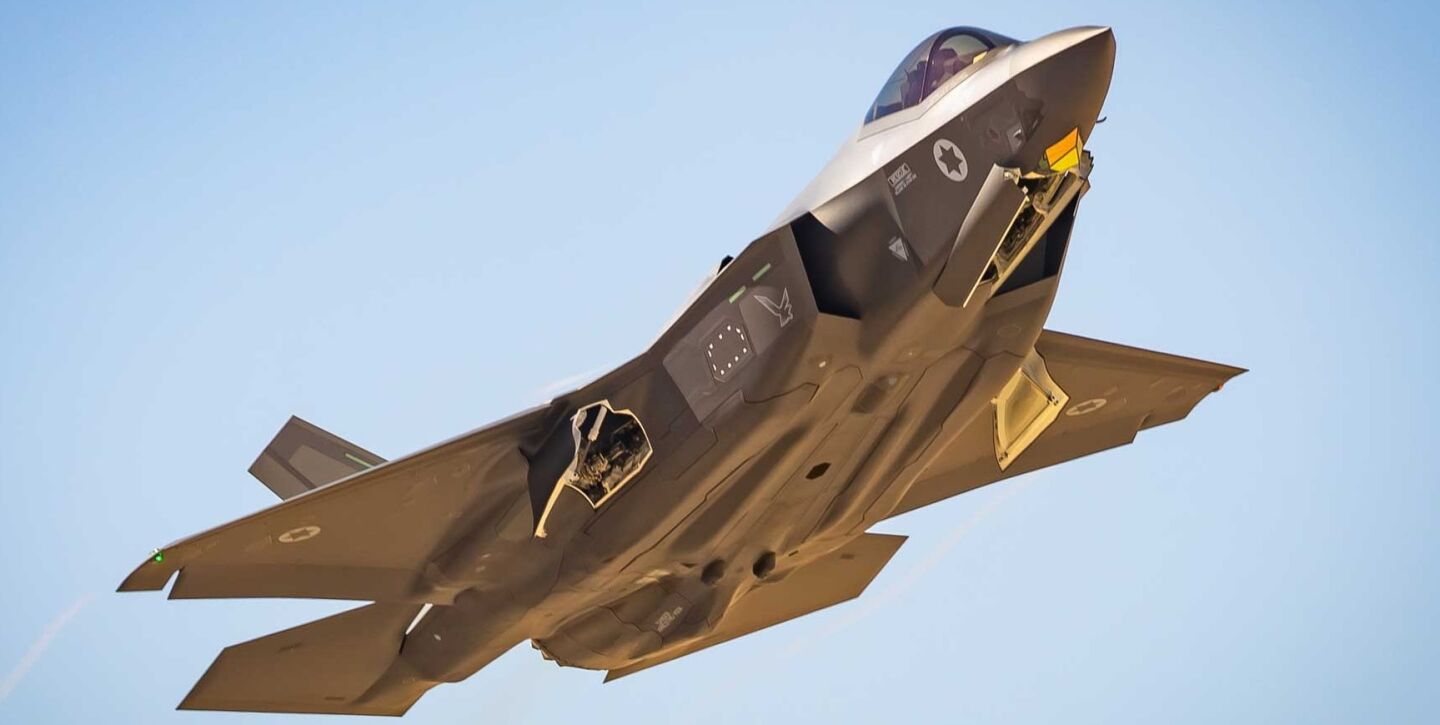
Israeli Air Force F-35I Fighter
The Israeli defence sector is integrating the Rafael SPICE 1000 precision-guided standoff weapon with its F-35I fifth generation fighters, providing the aircraft with a significantly longer-range air-to-surface strike capability. Rafael Advanced Defense Systems announced on September 15 that it was working with Lockheed Martin to integrate the 1,000-pound-class munition with the F-35 for the first time, in a project being conducted at Lockheed Martin facilities in the United States. The integration is expected to be completed over the coming months and could subsequently allow other F-35 operators to employ the Israeli-developed weapon.
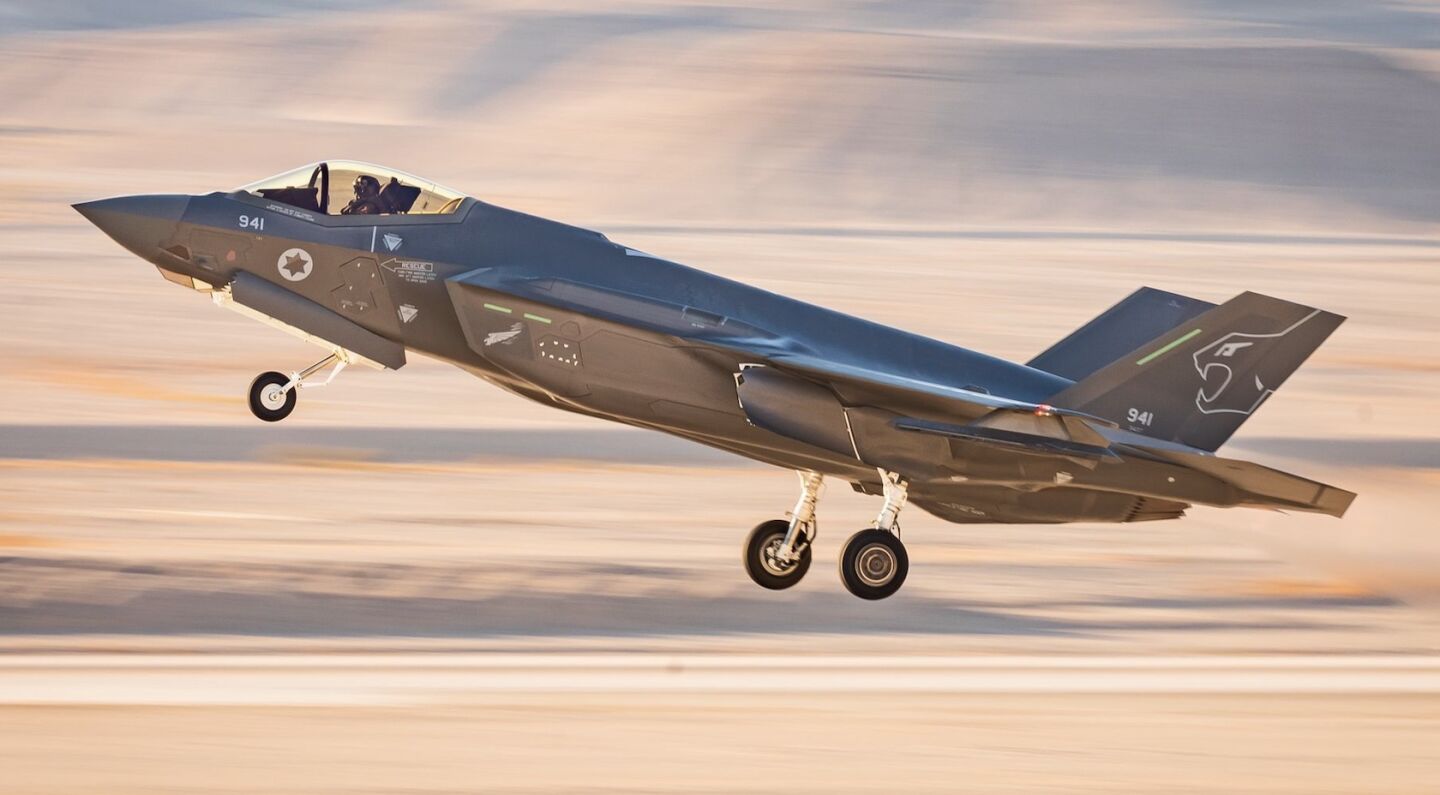
Unlike a conventional satellite-guided bomb, the SPICE 1000 combines inertial and GPS guidance during the approach phase with an electro-optical seeker and sophisticated scene-matching software. The system compares the visual characteristics of the target area with previously obtained intelligence data, allowing it to continue navigating towards its designated target even when satellite navigation signals are unavailable or deliberately jammed. Rafael states that the system has an accuracy of less than three metres circular error probable. The bomb was designed around a 1,000-pound-class bomb and has a stated range of more than 120 kilometres, allowing an aircraft to attack targets from well outside the range of many shorter-range ground-based air defence systems.
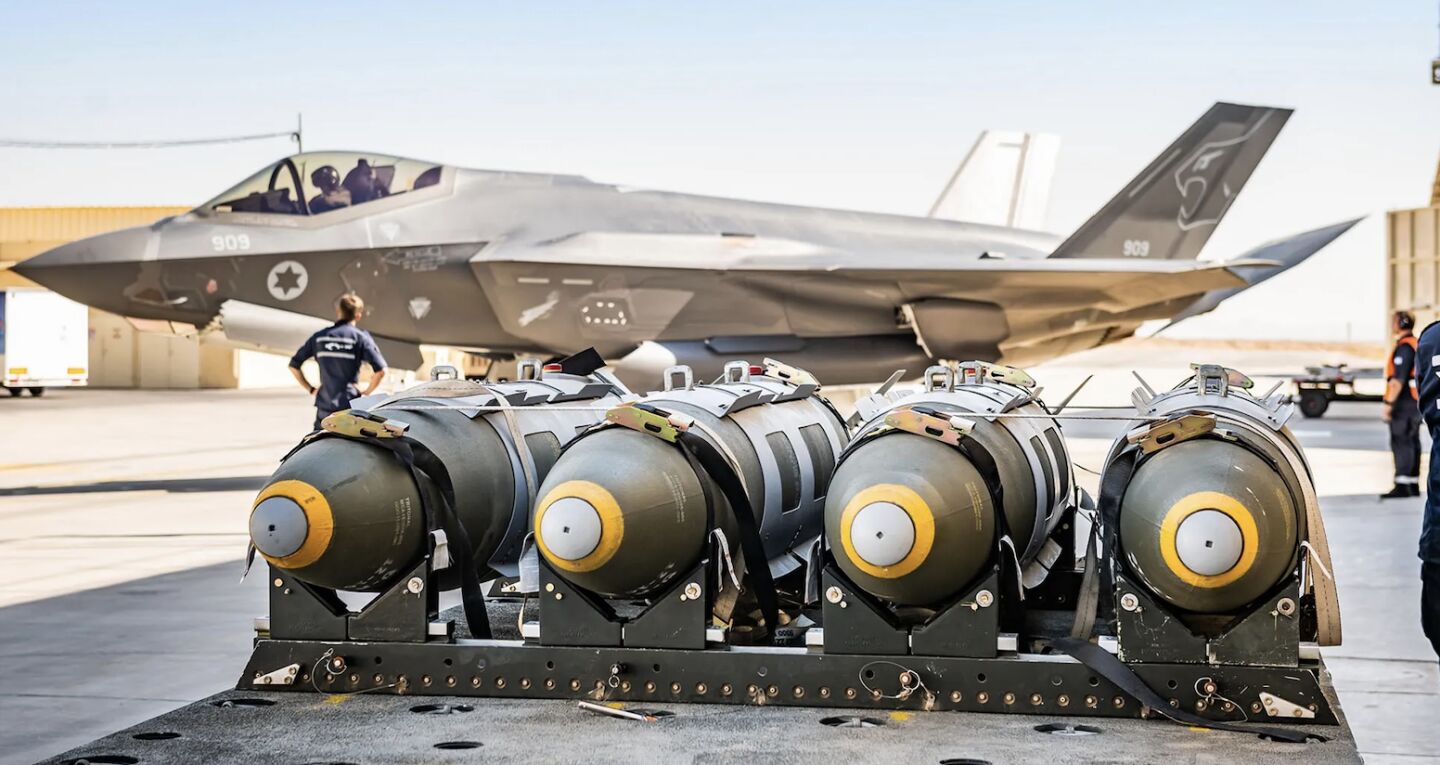
The SPICE family, an acronym for Smart, Precise Impact and Cost-Effective, consists of guidance kits designed to transform conventional bombs into precision stand-off weapons. The SPICE 1000 has been operational with the Israeli Air Force since 2017 and is already integrated with the country’s F-15 and F-16 fighters. The munition can also be programmed to approach and strike a target from a specified direction and angle. This provides considerable flexibility against fixed targets, particularly heavily protected facilities where the ability to select the direction and angle of impact can be important. It can conduct steep dives against targets, potentially allowing greater penetration of hardened structures.
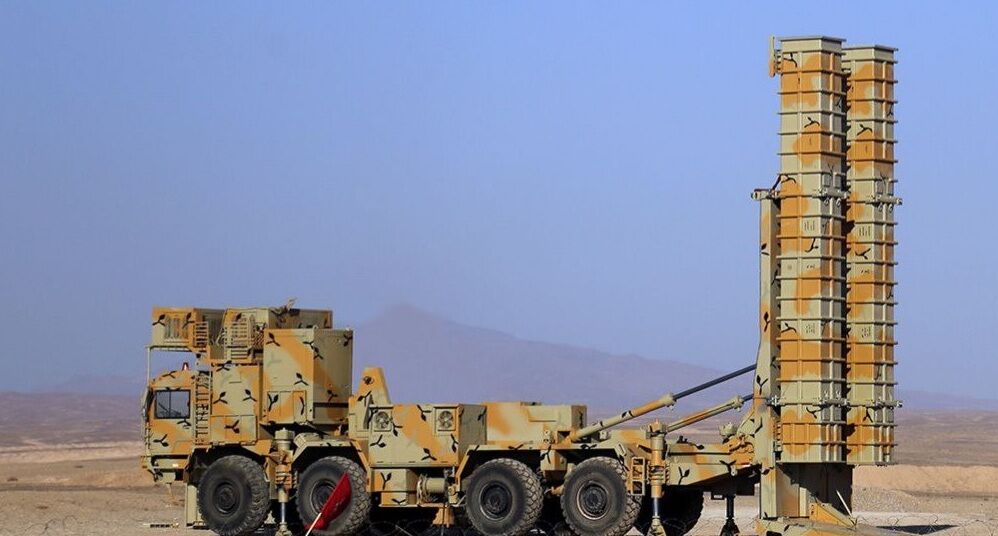
F-35 fighters have played a relatively peripheral role in Israeli and U.S. combat operations against Iran, largely due to major delays bringing the aircraft up to the Block 4 standard, and their resulting inability integrate air-to-ground missiles. The SPICE 1000 provides a much less costly alternative to missiles, which still allows fighters to engage targets at long beyond visual ranges. Iranian forces have proven capable of successfully engaging F-35s operating inside its airspace, which has made it critical to destroy targets from longer distances. The SPICE 1000 is thus an optimal weapon for Israel’s ongoing war effort.
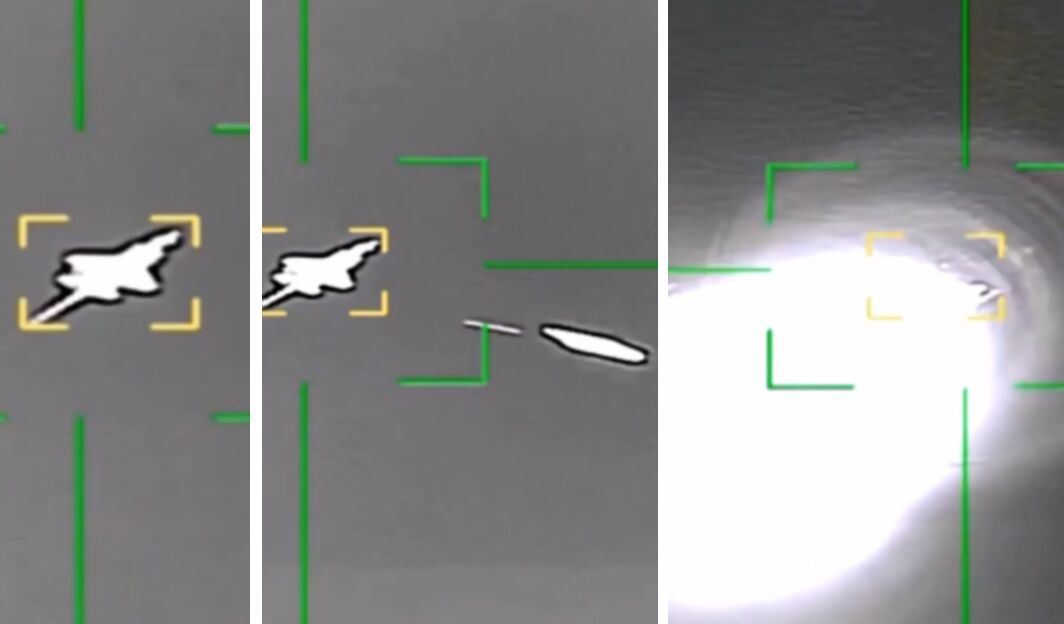
The combination of the F-35I’s low observable characteristics with a weapon capable of engaging targets more than 120 kilometres away provides an entirely new capability for the F-35, which is particularly beneficial because it can be realised before Block 4 upgrades become ready in the early 2030s. The integration reflects the increasingly important role of Israeli-developed weapons in expanding the capabilities of the F-35 beyond the aircraft’s original American weapons ecosystem. Outside the United States, Israel has a unique degree of permission to customise its F-35s, which has allowed for the integration of indigenous weapons and avionics much more seamlessly. Although permission to modify the fighter’s original code was never granted, new code is effectively plugged on top of it, which has been compared by Israeli officials to downloading customised applications on a smartphone without modifying the phone itself.
