
Iranian Strikes on U.S. Base in Kuwait Expose Vulnerabilities of Forward Force Posture
Military Watch Magazine Editorial Staff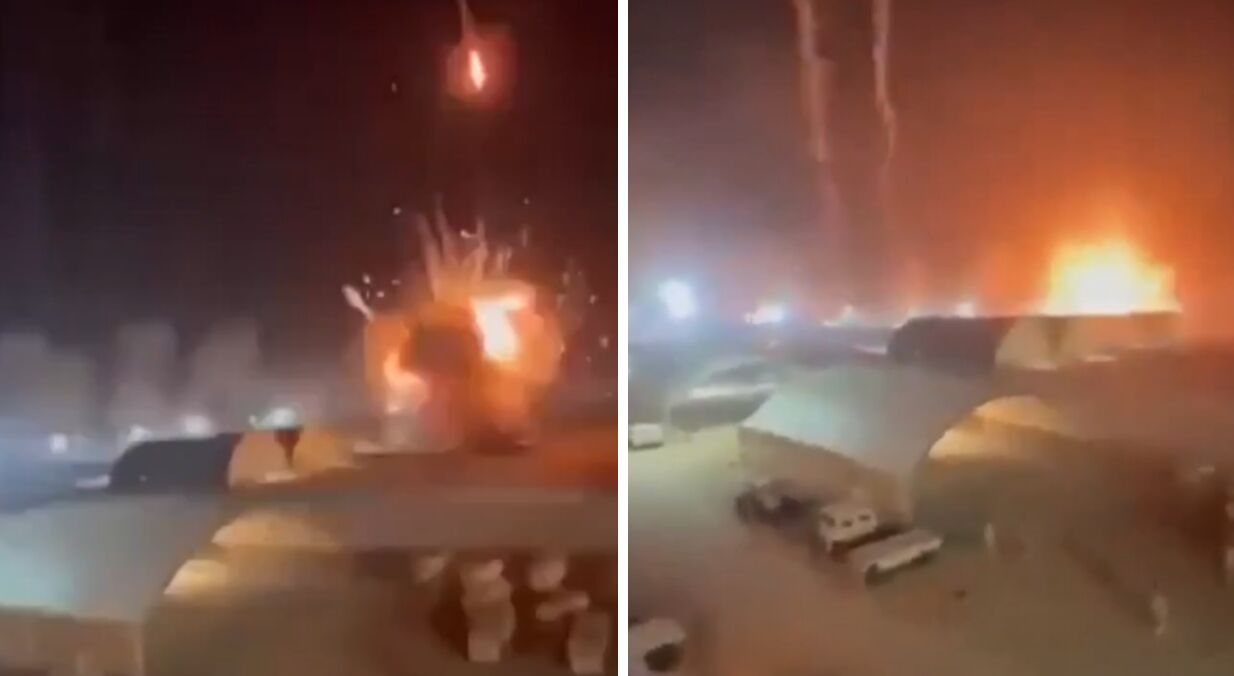
Explosions from Iranian Missile Strike on Muwaffaq al-Salti Air Base in Jordan
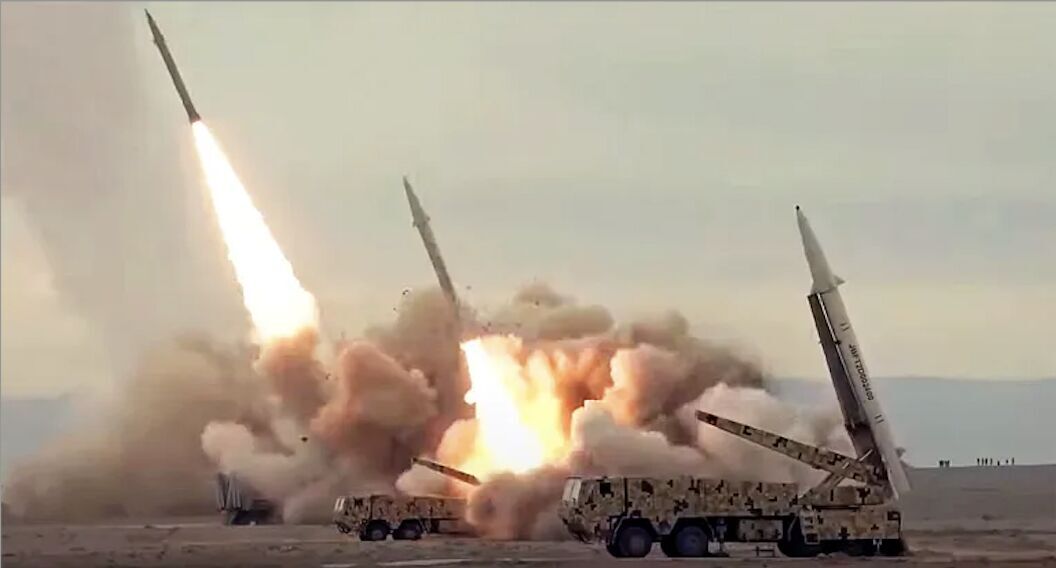
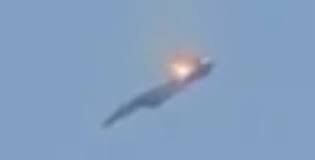
Iranian attacks on U.S. military positions in Kuwait launched in response to American attacks on its territory have exposed significant vulnerabilities in the infrastructure supporting U.S. forces in the Middle East. Newly released footage and eyewitness accounts indicate that Iranian missiles and drones repeatedly threatened U.S. installations, forcing personnel to seek shelter and prompting the relocation of troops from exposed positions. The attacks have also raised questions about the adequacy of base defences and the ability of American forces to sustain operations when facing repeated strikes by a regional adversary with extensive ballistic missile and uncrewed aircraft inventories.
One of the most serious incidents occurred on March 1, when an Iranian drone struck a U.S. military facility at Kuwait’s Port Shuaiba, killing six American service members and injuring dozens. The soldiers were working in a tactical operations centre supporting logistical activities when the strike occurred. Imagery reviewed by The Washington Post showed that the facility offered limited protection against attacks from above, while nearby living quarters were also damaged. The attack was the deadliest known Iranian strike against U.S. personnel during the opening phase of the conflict. An Associated Press investigation published in October found that some of the soldiers who survived the attack believed military commanders had not adequately accounted for the threat posed by Iranian weapons. The news agency interviewed 13 service members who had served at the facility or were familiar with high-level briefings. Several raised concerns about whether the dangers associated with operating from exposed locations had been sufficiently recognised before the war began.
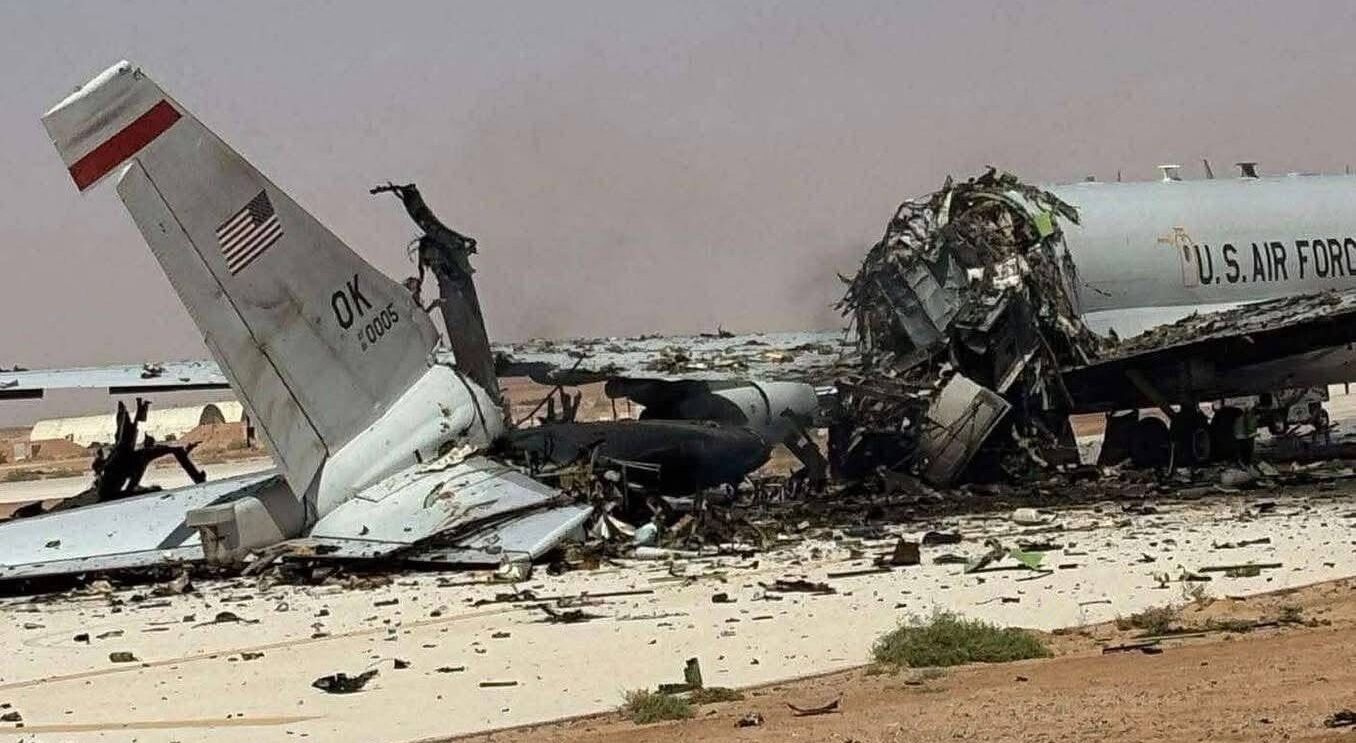
In September photographs leaked by U.S. Armed Forces personnel provided a rare look at the extent of damage inflicted on American military facilities in the Middle East by Iranian missile and drone strikes during. The photographs, obtained exclusively by CBS News show heavily damaged buildings, vehicles and aircraft at American positions in Saudi Arabia and Kuwait. Personnel likened the war effort to "standing there with our eyes closed getting punched in the face,” with one serviceman lamenting: “We're not defending these bases. We're just watching them get destroyed.”
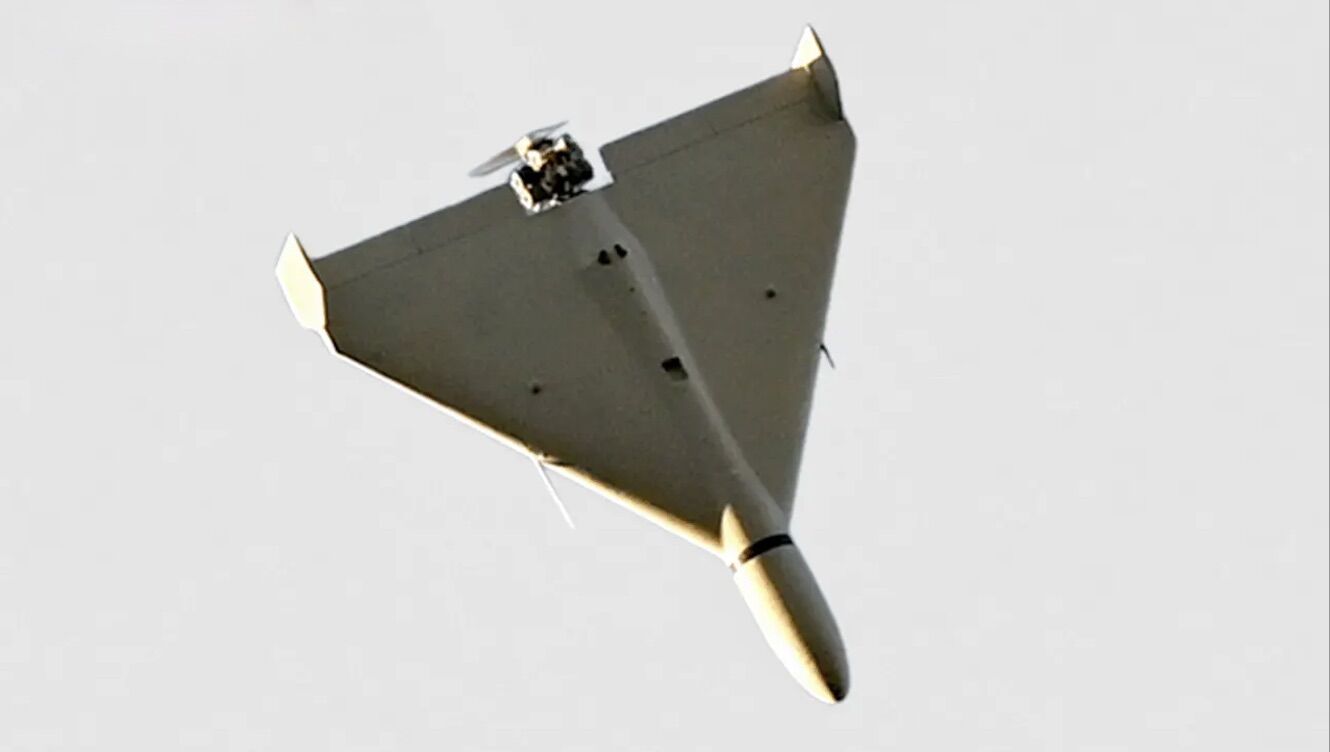
The threat extended beyond Port Shuaiba. Camp Buehring, a major U.S. Army installation in northern Kuwait, was also struck during the conflict. Video footage obtained by CBS News and published on October 7 showed Iranian drones attacking the base, while service members described repeated missile and drone threats that forced personnel into shelters. The installation has served for more than two decades as an important staging point for American troops deploying across the Middle East. According to CBS News, most of the approximately 7,000 U.S. personnel associated with Camp Buehring had been moved elsewhere before the war, as part of preparations to reduce the number of troops exposed to Iranian attacks. More than 100 soldiers nevertheless remained at the installation after hostilities began. With attacks continuing and concerns mounting about the base’s ability to withstand a major assault, personnel eventually abandoned the position and moved into temporary forward operating locations in the Kuwaiti desert.
The relocation illustrates the operational difficulties created by sustained attacks against fixed military infrastructure. Bases in Kuwait provide accommodation, maintenance, communications, logistical support and staging facilities for U.S. forces operating throughout the region. Moving personnel away from established installations can reduce their exposure to attack, but it also creates additional demands for transport, communications, force protection and the provision of essential supplies. Dispersing troops may complicate Iranian targeting, while simultaneously making American logistics more difficult to coordinate. The attacks also raised concerns about the availability of defensive equipment and ammunition. CBS News reported that soldiers and logistics personnel had raised questions about supplies of .50-calibre ammunition and high-demand systems such as Patriot air-defence batteries.
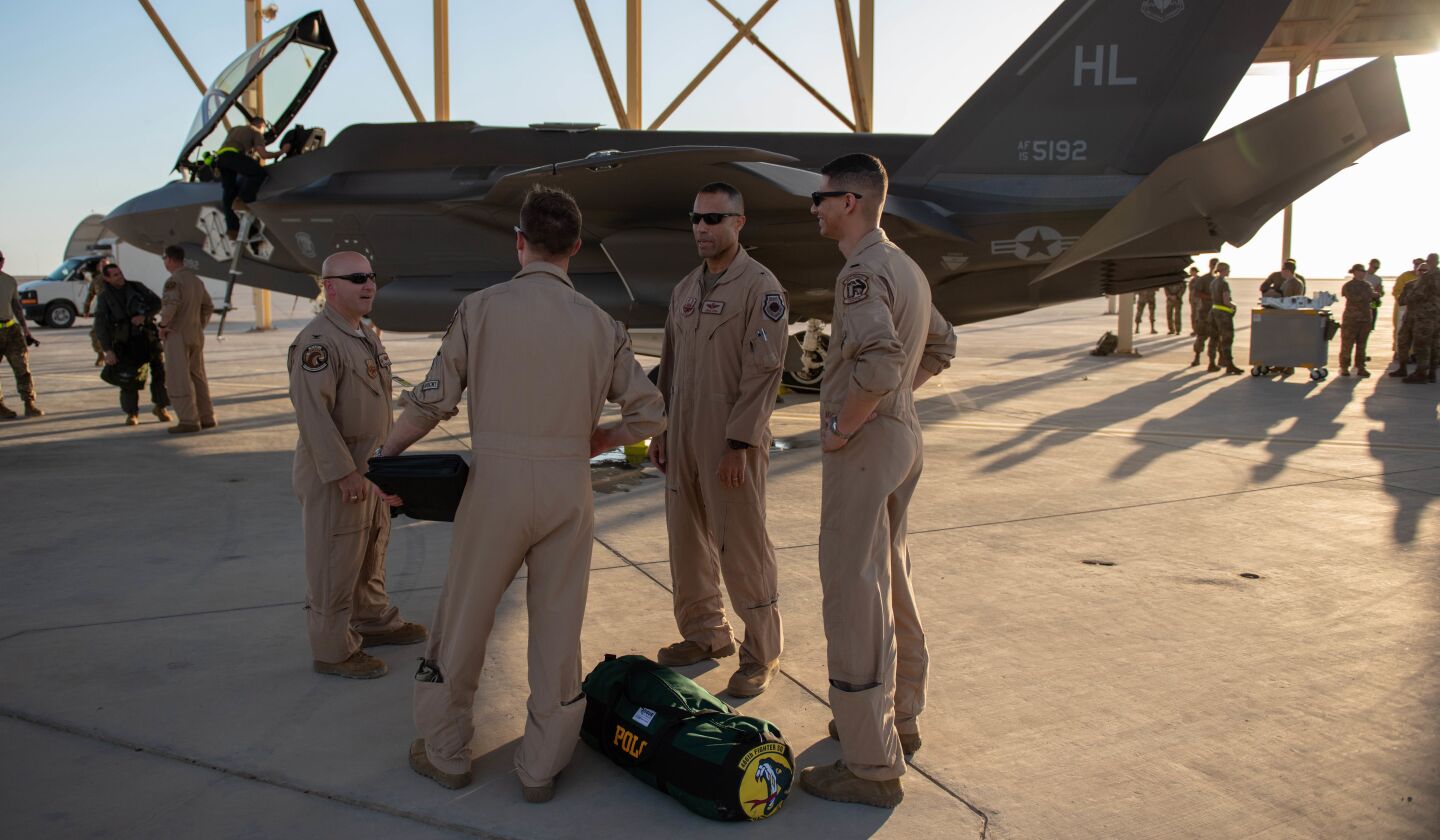
The experience in Kuwait highlights the importance of dispersal and hardening in modern military operations. Concentrating personnel, command facilities and logistical functions at established bases offers considerable advantages in peacetime, but can create vulnerabilities when an adversary possesses weapons capable of striking fixed locations repeatedly. Dispersing forces, constructing more resilient shelters and improving early-warning systems can reduce those vulnerabilities, although such measures require time, equipment and substantial investment. The strikes also underscore the growing importance of inexpensive uncrewed aircraft in conflicts involving technologically advanced militaries. Drones can threaten personnel and facilities without requiring the attacker to employ its most sophisticated weapons for every engagement. When combined with ballistic missiles and other long-range systems, they can force a defender to maintain a broad and costly defensive posture even when individual attacks cause limited damage.
