
Iranian Parliament Sees Calls to Form Formal ‘Axis of Resistance’ Military Alliance Against Israel
Military Watch Magazine Editorial Staff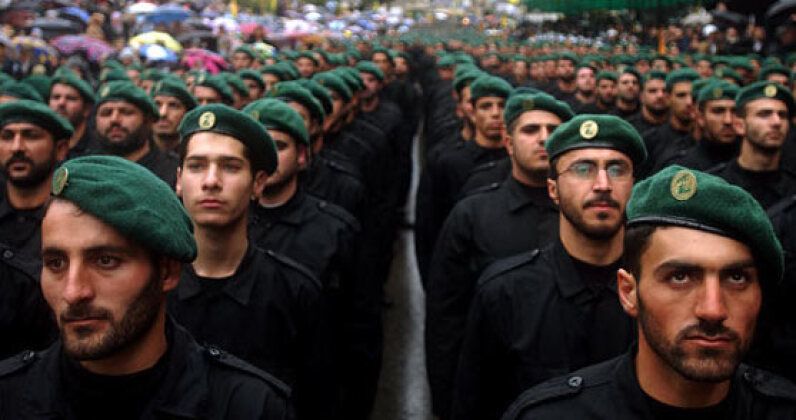
Hezbollah Militiamen
Iranian lawmakers have proposed the formal establishment of a military alliance uniting various Middle Eastern countries and organisations which have in recent years collaborated closely in the face of common strategic threats. Often referred to by their supporters as the ‘Axis of Resistance’, this informal partnership has unified the major parties in the Middle East which have remained outside the Western sphere of influence - including Iran, Syria, the Lebanese political and militia Hezbollah and the the Iraqi Popular Mobilization Forces militias. These have mostly been ideologically aligned with the Islamic Republic of Iran, although they have relied heavily on support from Syria as well as from North Korea which has provided these elements with training, arms and key technologies for decades. Although Damascus and Pyongyang do not share Iran and its affiliates’ Islamist ideological leanings, these parties have all been united primarily by common antipathy towards Western hegemony over the Middle East. They have also all been heavily involved in supporting the Syrian Arab Army in combatting a range of jihadist insurgent groups in the country, many of them previously Western backed, since the outbreak of war in the country in 2011.
Dubbed the "Defence and Security Treaty of the Resistance Group," the bill in the Iranian parliament has been signed by 34 lawmakers and has been submitted for review to the National Security and Foreign Policy Commission and for consideration in a public session of parliament. The draft treaty stipulates that “if the Zionist regime [an Iranian term for Israel] attacks any of the Resistance Front’s countries or takes action against them, the other member states or liberation movements of the Treaty will make every military, economic, and political effort to counter the threat.” It obliges signatories to provide "comprehensive support" to alliance members in the event of an Israeli occupation - which has particularly serious implications for Syria which has seen 1,150 square kilometres of land in the Golan Heights captured. The much smaller 27.5 square kilometre Shebaa Farms belonging to Lebanon are also under Israeli occupation, but are internationally recognised as Lebanese territory. Both Syria and Lebanon’s Hezbollah are heavily reliant on Iranian support to maintain their military capabilities. Iran has demonstrated the ability to project power across the region using assets such as stealth drones and special forces units, although its Air Force’s ability to operate beyond its borders with manned aircraft has been negligible. This could change in the near future with the country’s expected acquisition of new fighters jets from abroad - likely the Chinese J-10C - which will swing the balance of power towards its favour.
