Iranian Missile Crews Detail Sustained Operations Against U.S. From Underground Bases
Military Watch Magazine Editorial Staff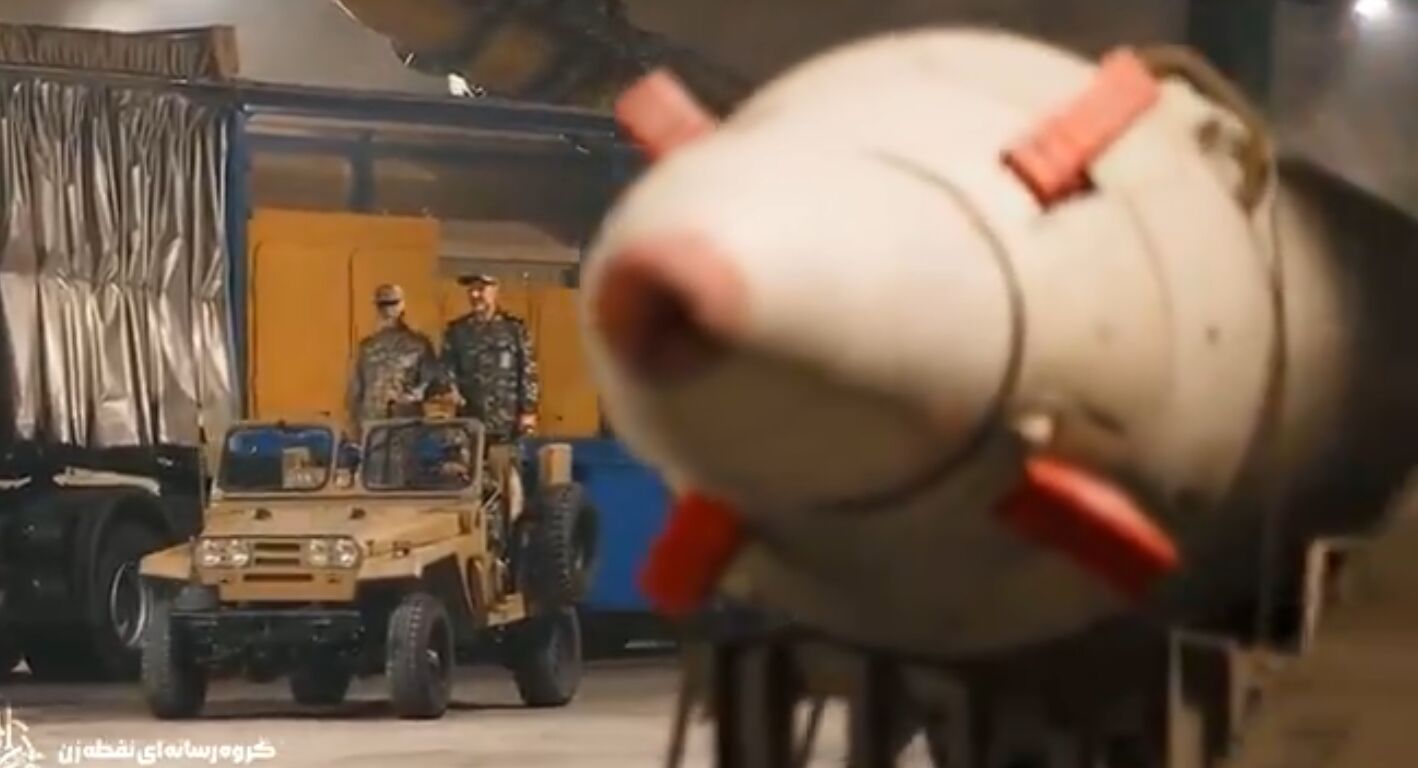
Iranian Officers Inspect Underground Military Base
An Iranian Islamic Revolutionary Guard Corps Aerospace Force missile operator has described how personnel continued launching missiles from underground facilities throughout operations against the U.S. in both 2025 and 2026. He observed that Iran's underground missile complexes remained fully stocked and operational throughout both conflicts, allowing crews to sustain launches despite repeated attempts by U.S. and supporting Israeli forces to destroy the facilities. His account provides an unusually personal perspective on the operational demands placed on Iranian missile personnel during the fighting, as underground ‘missile cities,’ as local media has referred to them, have played a particularly central role in the conflict.
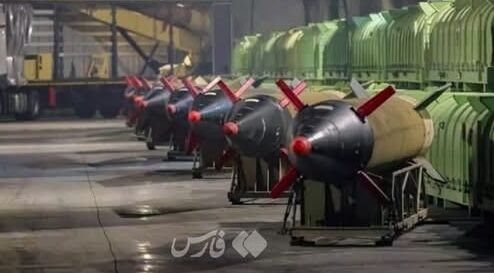
According to the operator, some personnel remained inside underground facilities for as long as 25 consecutive days, carrying out repeated launches with very limited opportunities for rest. Missile crews were reportedly required to maintain a continuous operational tempo, preparing and firing weapons while remaining ready to respond to further targeting attempts. Some personnel were killed at launch sites, while others continued operating from nearby positions only minutes after American or Israeli strikes had hit other launch facilities. The account suggests that Iran sought to maintain the continuity of its missile operations through the distribution of launch infrastructure and personnel across multiple underground locations, reducing the extent to which individual strikes could interrupt the wider campaign.

Iranian forces have since the 1980s benefitted from considerable North Korean support both to develop their missile arsenal, and to construct extensive underground fortifications. These multi-storey missile bases are reportedly connected by rail hundreds of metres underground, allowing for the redeployment of forces and missile assets relatively safe from U.S. or allied attacks. United States intelligence in May confirmed that Iran retained operational access to 30 out of 33 missile facilities along the Strait of Hormuz, or 91 percent, and approximately 90% of underground storage facilities and launch pads, highlighting the limited extent to which attacks have been able to diminish Iranian warfighting capabilities.
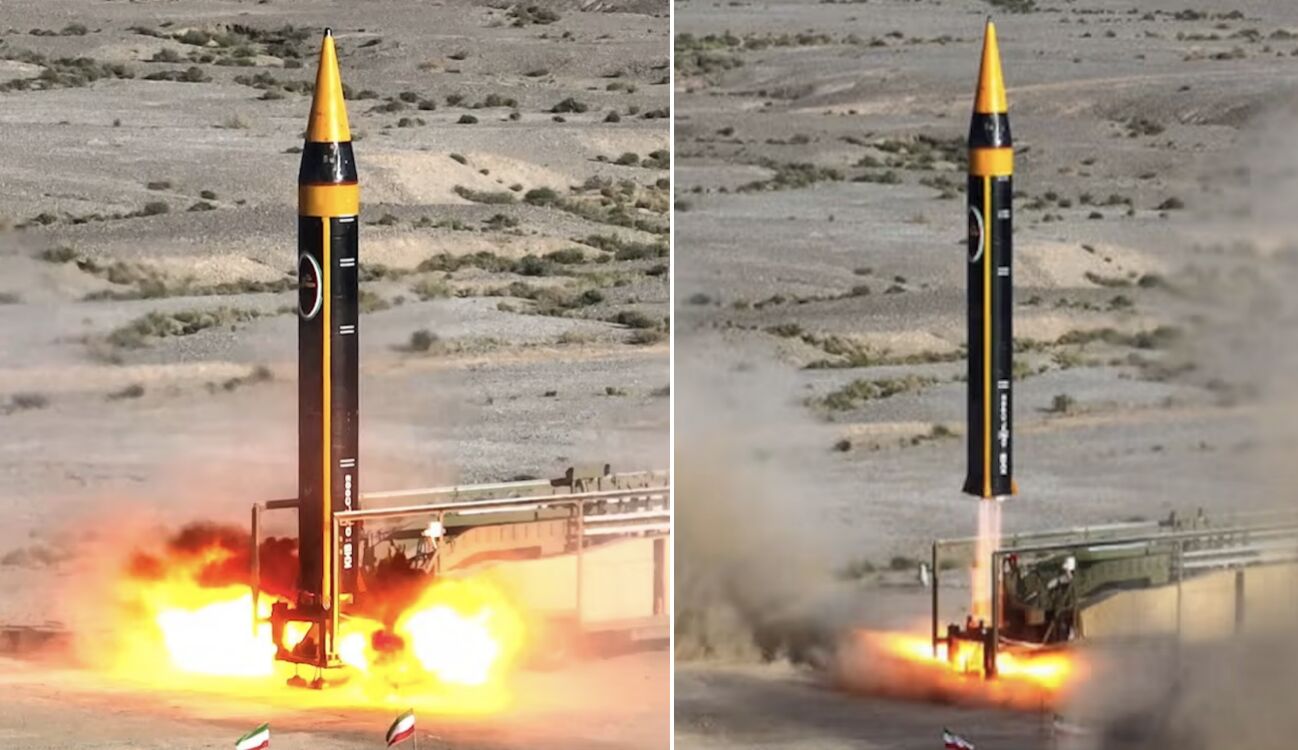
The operator’s account highlighted the personal sacrifices made by missile crews during the conflict, including personnel who were unable to leave underground facilities even following the deaths of close relatives. One individual reportedly lost his father during American bombing but was unable to attend the funeral, only being permitted to leave the facility seven days after the burial. The operator described how unmarried personnel were sometimes encouraged to remain underground while married colleagues volunteered to take their places outside, allowing those with families to spend time with them where possible. He recalled: “When our unmarried personnel were inside, the married men would tell them, 'You stay inside, we'll go out.' There was genuinely a competition among us to fight and destroy the forces of arrogance.” His account portrays a missile force operating under considerable psychological and physical pressure, with personnel reportedly treating continued launches as a collective responsibility even as their facilities and surrounding areas came under attack.
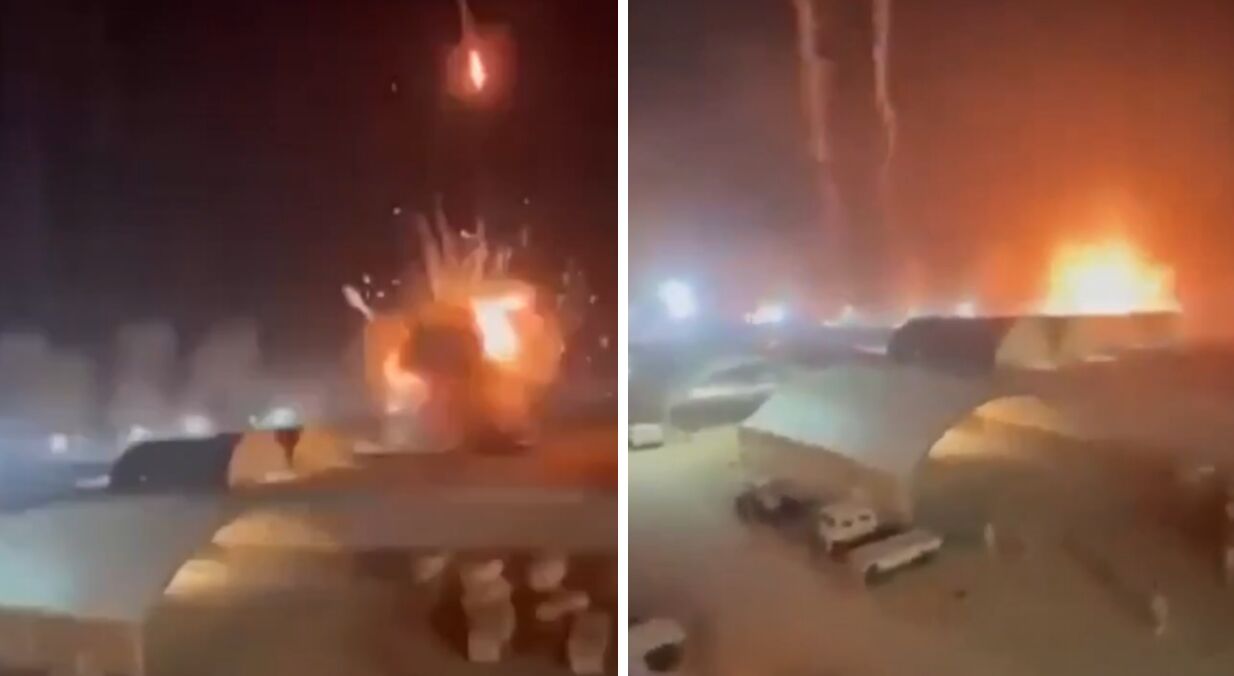
One of the most significant claims concerned the effectiveness of American bunker-busting weapons against Iran's underground missile infrastructure. The operator asserted that penetrating bombs failed to inflict meaningful damage on the tunnels or their missile stockpiles, with some weapons reportedly failing to detonate. Iran has invested heavily in underground missile bases designed to protect launchers, missiles and supporting equipment from aerial attack, using deeply buried tunnels and reinforced facilities to complicate targeting. Such infrastructure is intended to preserve the ability to conduct missile operations even after above-ground military installations have been damaged.