
Iran Reverse Engineering Captured U.S. Submarine: RQ-170 Stealth Jet Precedent Raises Concerns
Military Watch Magazine Editorial Staff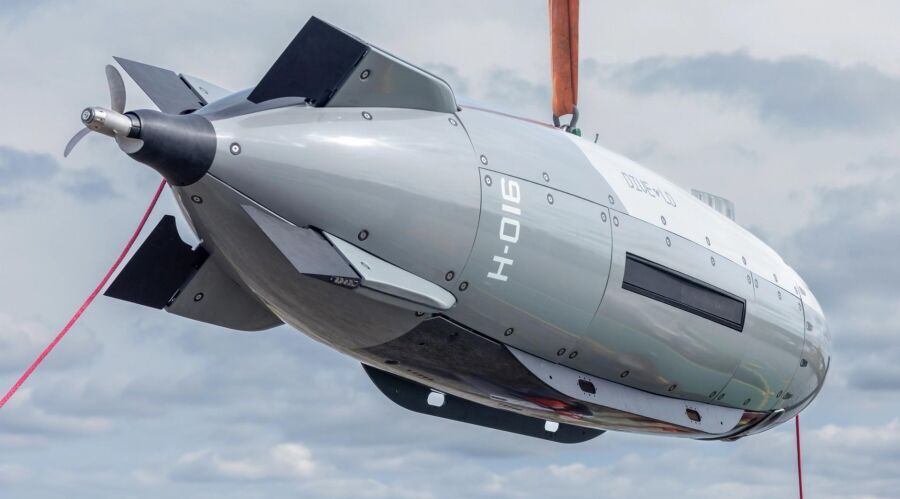
Dive-LD
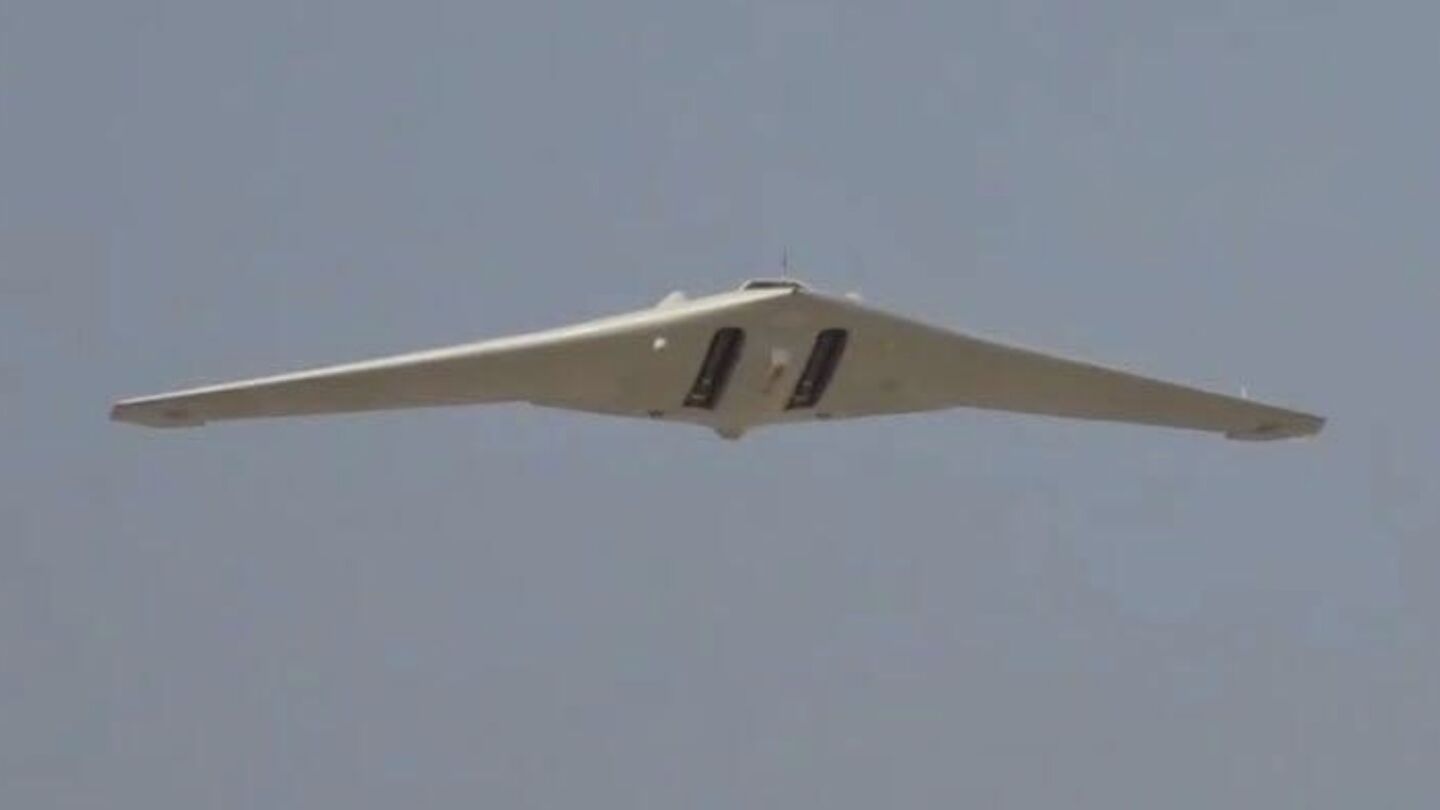
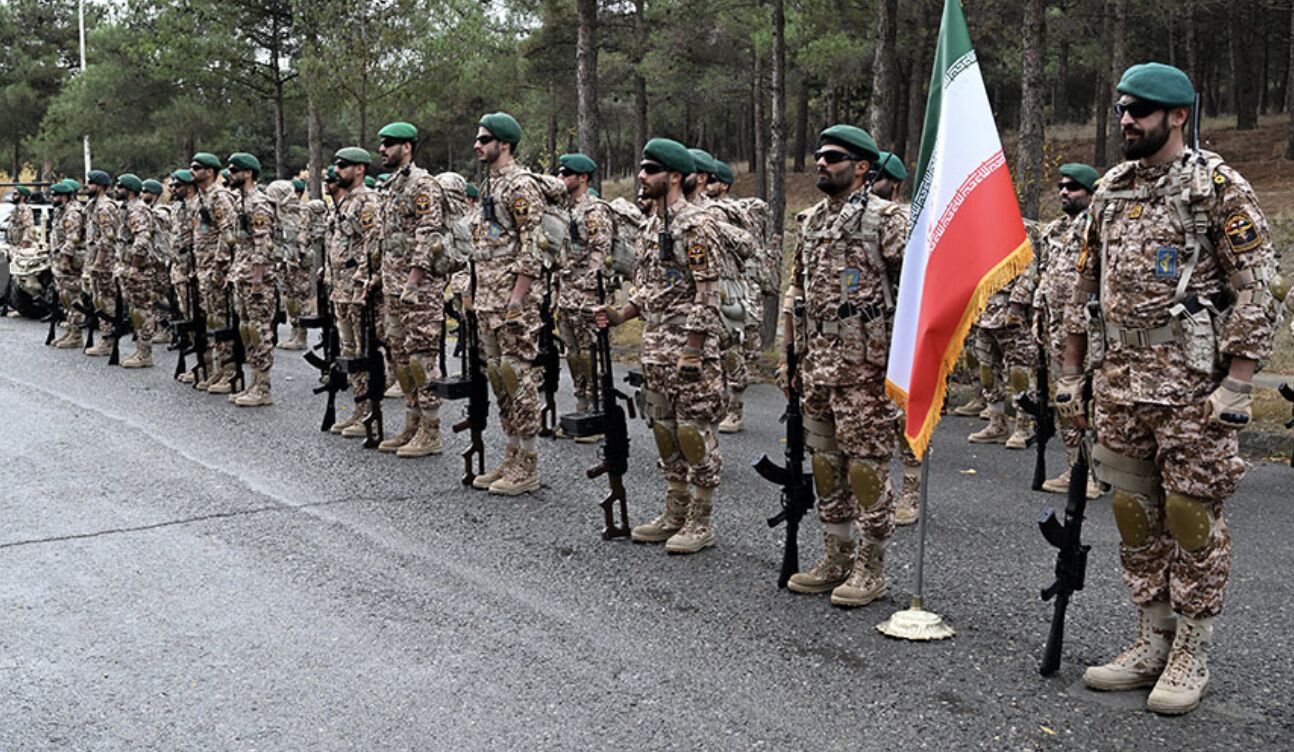
Iranian Islamic Revolutionary Guard Corps (IRGC) spokesman Brigadier General Hossein Mohebbi has announced that the country’s defence sector will begin reverse engineering a U.S. unmanned submarine captured by the Corps in the Strait of Hormuz. This is expected to provide the defence sector with access to a range of technologies associated with a new generation of American unmanned naval systems. The announcement recalls Iran’s earlier successful study of captured U.S. aircraft, most notably the RQ-170 Sentinel stealth reconnaissance drone which was brought down over the country using electronic warfare in 2011.
“This advanced technology exists in the underwater vessel that fell into the hands of the IRGC Navy forces, and its reverse engineering will begin,” Mohebbi stated. He further indicated that technologies obtained could be sold on to third countries. The vessel in question is an Anduril Dive-LD, which was designed to perform extended missions without a crew. Anduril describes the platform as a reusable autonomous system capable of carrying different payloads for missions including intelligence, surveillance and reconnaissance, mine warfare, seabed mapping and inspection of underwater infrastructure. The platform can operate at substantial depths and remain deployed for days at a time.
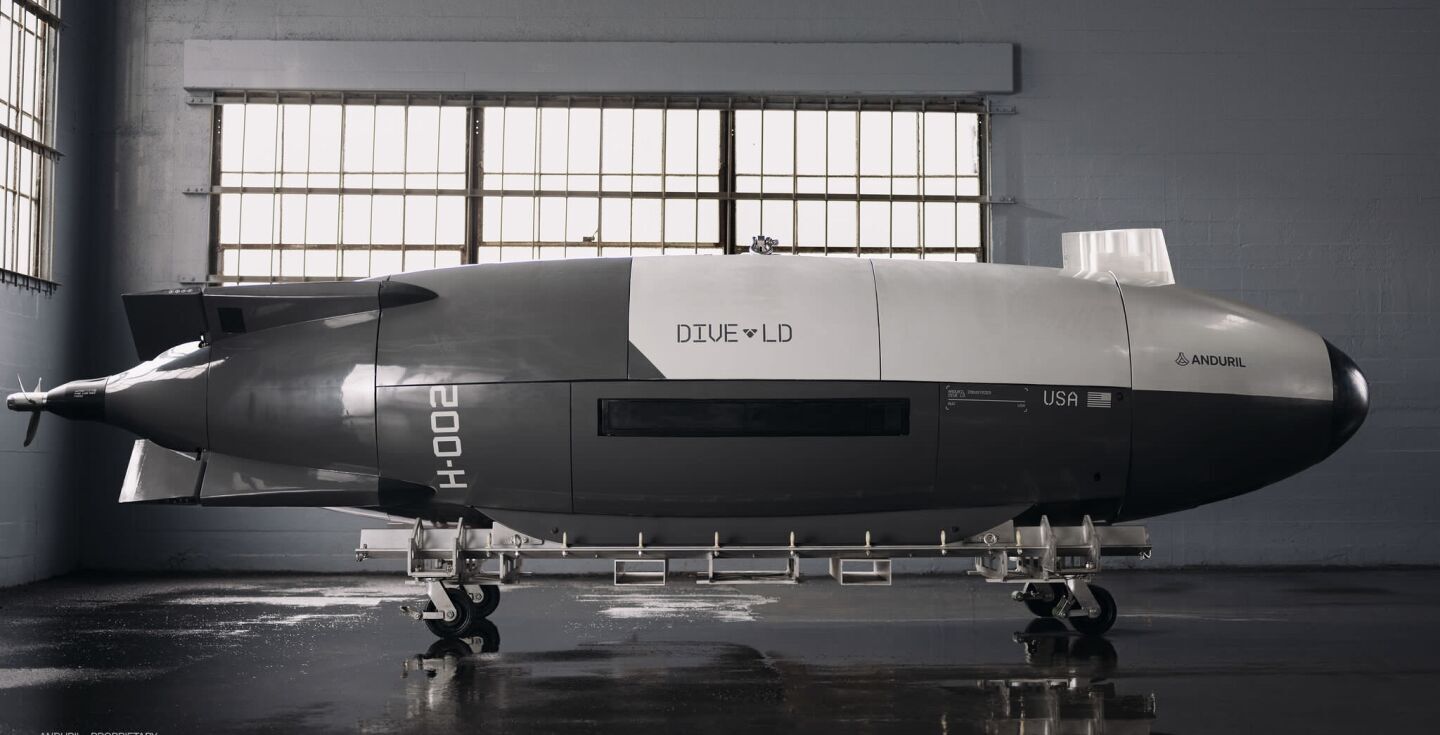
The IRGC announced the capture on September 8, releasing imagery of an underwater vehicle that independent naval analysts subsequently identified as a Dive-LD. Commenting on the compromising of the unmanned submarine, Bryan Clark of the Hudson Institute told Reuters that Iranian engineers could “definitely reverse-engineer the mechanical systems,” although noting that software protections could make the replication of the complete system considerably more difficult. Iran’s defence sector has spent years developing unmanned maritime systems intended to compensate for the limitations of its conventional naval forces.
An autonomous underwater vehicle capable of conducting surveillance, mine warfare or seabed reconnaissance could provide capabilities that are particularly relevant to operations around the Strait of Hormuz, where underwater infrastructure, naval movements and mine warfare are of major strategic importance. Access to an intact American platform could allow Iranian engineers to examine its propulsion architecture, hydrodynamic design, control surfaces, communications equipment, navigation systems, electrical architecture, payload interfaces and manufacturing techniques. Underwater autonomy presents particular technical difficulties, as GPS signals cannot normally be used underwater, meaning that long-range autonomous vehicles must rely on combinations of inertial navigation, acoustic positioning and other sensors to determine their location. Assessing how the Anduril developed this capability, and its vulnerabilities, could be invaluable.
