
Iran Captures Advanced U.S. Unmanned Submarine Near Strait of Hormuz
Military Watch Magazine Editorial Staff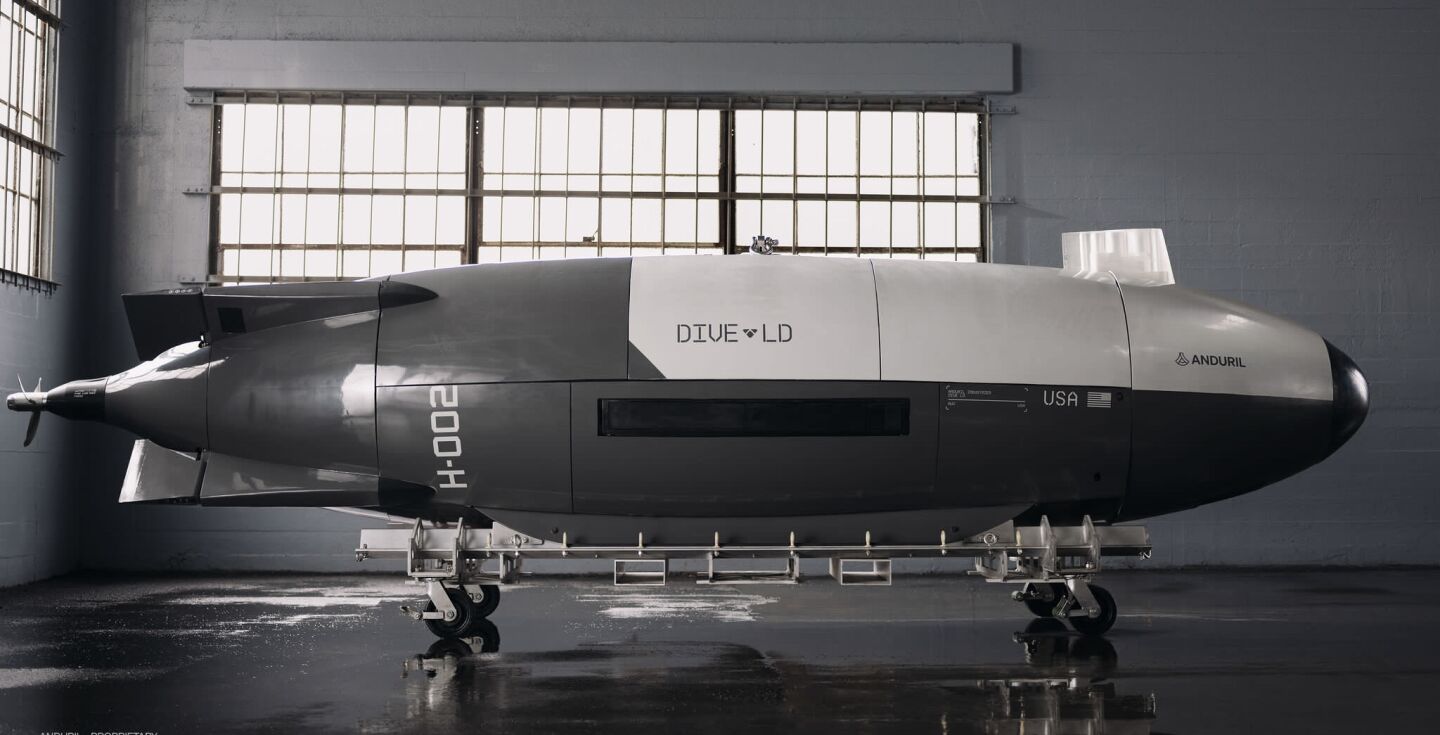
Dive-LD
The Iranian Islamic Revolutionary Guard Corps has captured a U.S. unmanned submarine near the entrance to the Strait of Hormuz, in an incident that highlights the increasingly important role of autonomous systems in the escalating confrontation between Tehran and Washington. The Corps reported that this occurred during a “complex intelligence and operational action” near the strategic waterway, which has been identified as the Dive-LD, which was developed by California-based defence company Anduril. Measuring approximately 5.8 metres in length and weighing around 2.7 tonnes, the system is designed to conduct extended underwater missions without a crew. According to Anduril, the platform can operate for up to 10 days and dive to depths of approximately 6,000 metres.
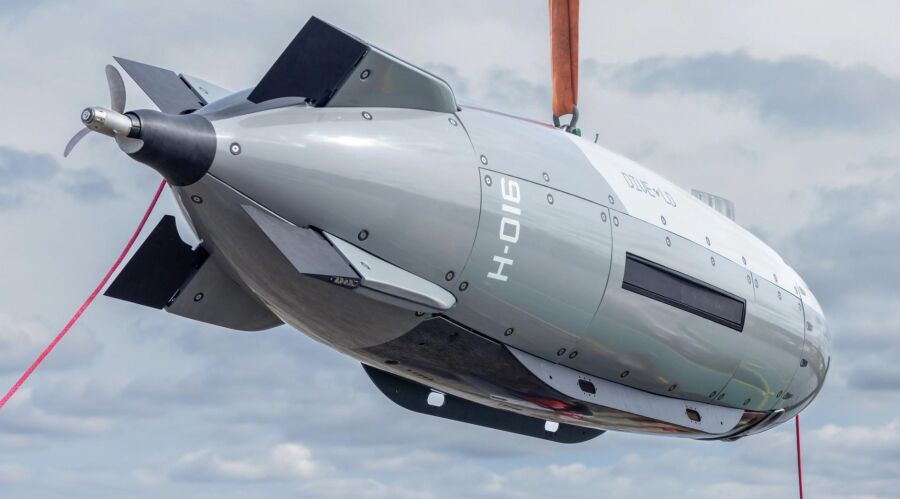
The Dive-LD is designed for a broad range of missions rather than serving as a conventional attack submarine. Its potential applications include seabed mapping, mine countermeasures, intelligence collection and inspection of underwater infrastructure such as pipelines and cables. Such capabilities make autonomous underwater vehicles increasingly valuable in areas such as the Strait of Hormuz, where monitoring shipping and underwater approaches can be conducted without exposing a crewed vessel to hostile action. Washington has sought to minimise the significance of the loss, stating that the vehicle had malfunctioned more than a day before it was recovered by Iranian forces.
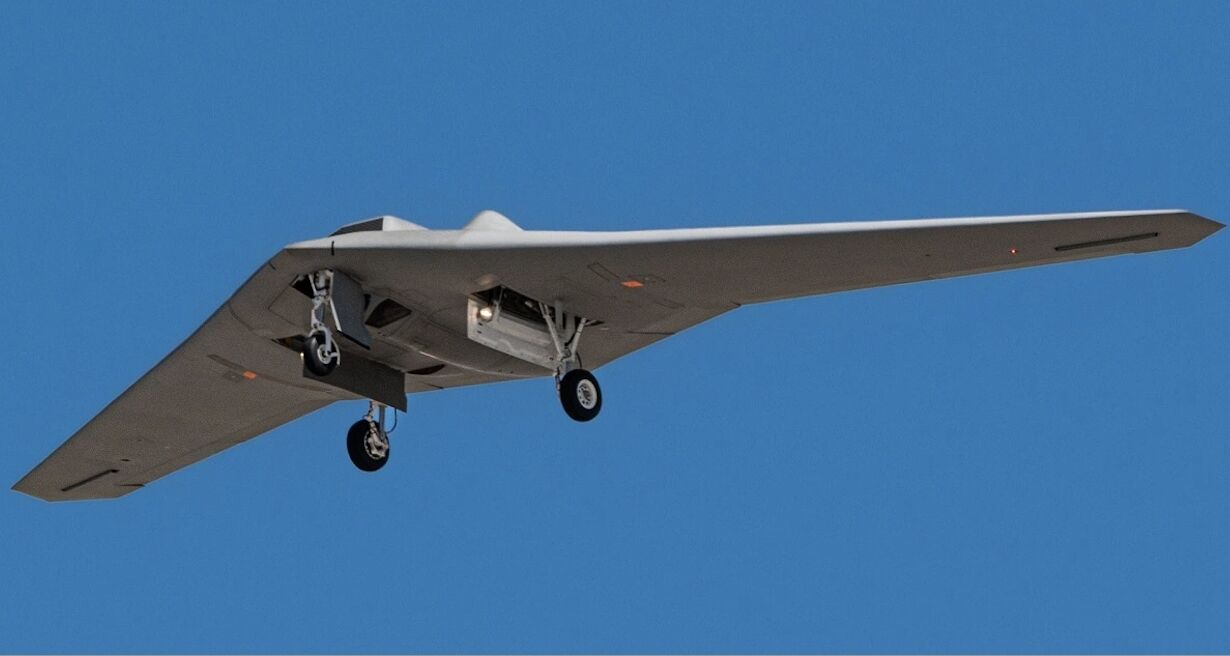
The incident is expected to provide Iran with useful technical intelligence on one of the latest and most advanced unmanned systems in U.S. service, including opportunities to examine its propulsion, communications equipment, sensors, navigation systems, batteries and other components. This would be far from unprecedented, with Iranian forces having used electronic warfare in 2011 to commandeer a CIA RQ-170 flying wing stealth drone, which was subsequently studied extensively and its technologies reportedly shared with strategic partners such as China. Intelligence is expected to similarly be shared with other Western Bloc adversaries such as China and North Korea.
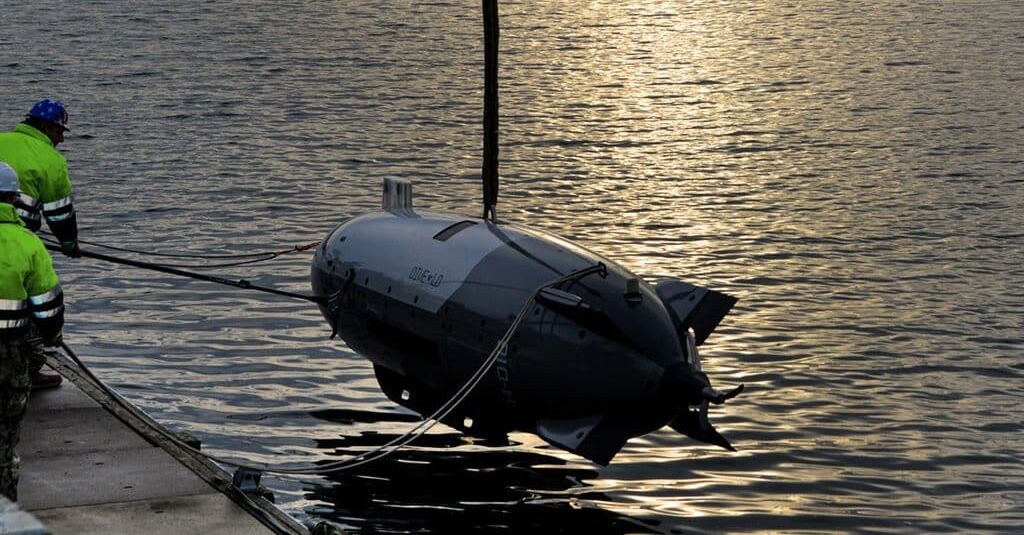
The capture is also significant because underwater drones are becoming increasingly important to the U.S. Navy’s operations in the region. Washington has expanded its use of unmanned systems as a means of monitoring large areas of ocean while reducing the risks to American personnel. Underwater vehicles can operate in environments where conventional surface vessels or crewed submarines may be more vulnerable or expensive to deploy. Costing approximately $2.5 million per vehicle, although the loss of the Dive-LD itself is not significant for the U.S. Navy, the compromising of its technologies has the potential to be.
