
Iran Begins Production of First Ever Long-Range Missiles: Targets Across Europe Within Reach
Military Watch Magazine Editorial Staff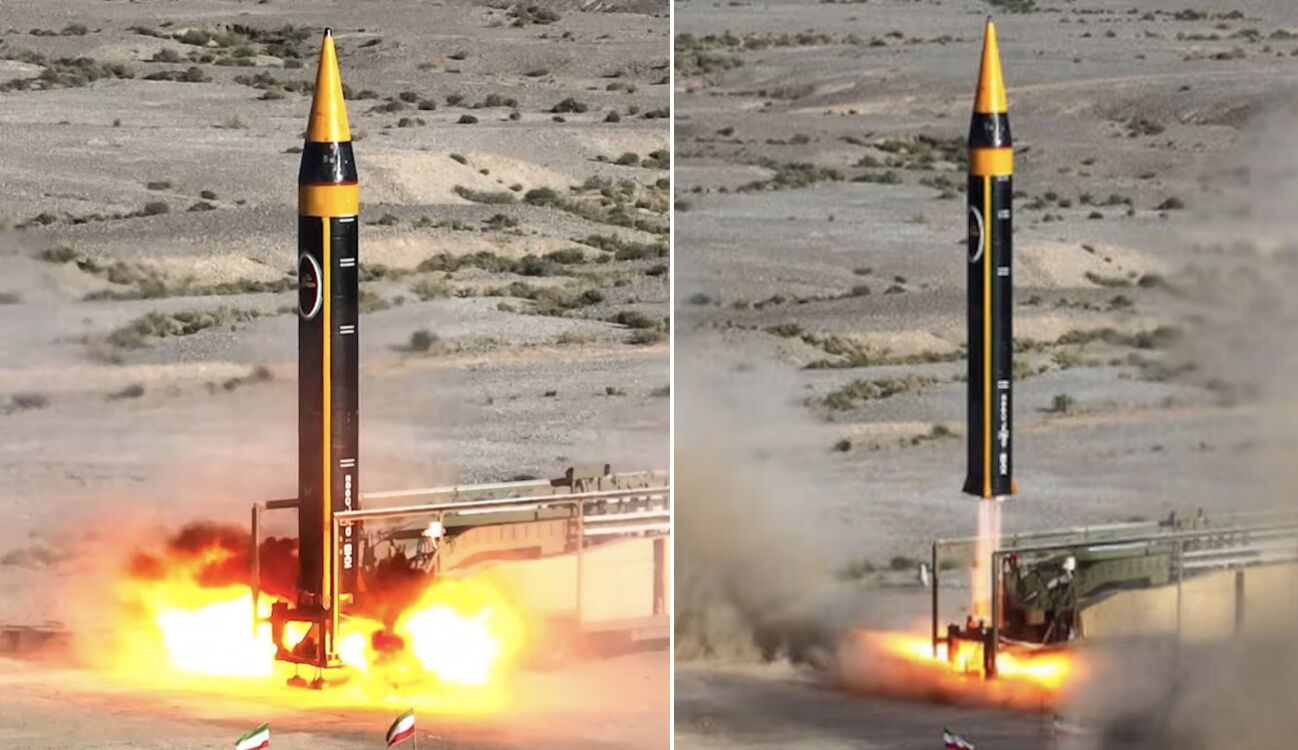
Iranian Kheibar Heavyweight Ballistic Missile Launch
Iran has begun producing ballistic missiles with ranges beyond the approximately 2,000 kilometre limit it has publicly maintained for decades, according to Mohammad Akramiya, a spokesperson for the Iranian Armed Forces. The announcement marks a significant shift in Tehran’s stated missile policy and occurs amid a protracted ongoing conflict with the United States. “The Iranian authorities have decided to increase the range of our missiles due to the ongoing conflict with the United States,” Akramiya said. “During this conflict, we have concluded that it is absolutely necessary to increase the range of our missiles, and we have already begun to do so,” he added. For years, Iranian officials have described that limit as a deliberate policy rather than a technological constraint, arguing that European countries were not intended to be targets of Iran’s missile program.
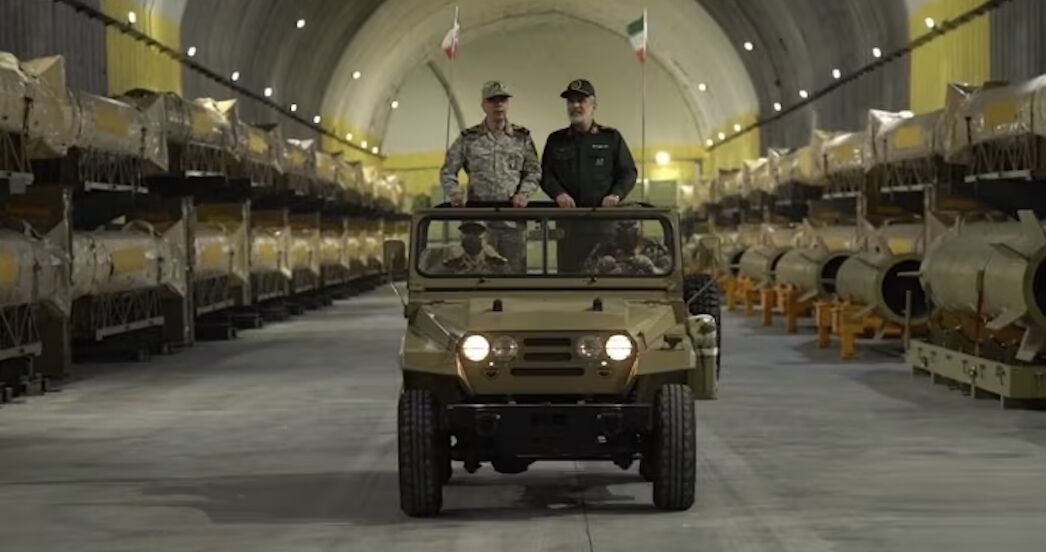
Iran possesses one of the largest and most diverse ballistic missile arsenals in the world. The country first procured short range ballistic missiles in the mid-1980s from North Korea, which it produced under license, before procuring the North Korean Hwasong-7 in the late 1990s to provide a medium range strike capability, placing U.S. bases across the region and targets in Israel within range. The United States has been unable to significantly hinder the country’s missile program due to the fortification of missiles, bases, storage facilities, and production facilities deep underground, with these heavily fortified facilities having been built with North Korean support over decades. The advanced capabilities of the Iranian ballistic missile and drone forces are heavily relied on to compensate for the significant shortcomings of the country’s conventional forces.
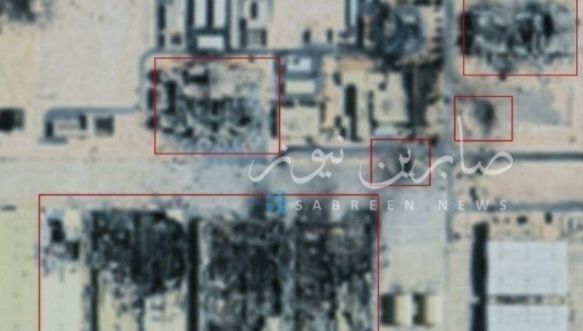
The decision to develop longer range missile types could allow Iran to expand its strikes to U.S. military facilities across Europe, while also allowing for the targeting of hostile warships at sea, and bases on Diego Garcia located approximately 5,000 kilometres away. The Iranian Islamic Revolutionary Guard Corps was reported in late August to be considering attacks on U.S. military facilities in Europe if the ongoing war effort further escalated, which would would represent a major geographical expansion of the conflict. While Iranian forces can currently launch ballistic missile strikes across much of Eastern Europe, longer range missiles would allow for strikes on higher value targets in Western Europe. Iranian drone and missile strikes have left U.S. bases across the Middle East unusable, including the United States’ largest overseas military facility Al Udeid Air Base in Qatar.
Attacks on European bases would be particularly significant due to the extreme depletion of air defences across the continent, primarily due to donations to support the Ukrainian war effort, and the prioritisation of U.S. air defence stockpiles to protect facilities in the Middle East. The Islamic Revolutionary Guard Corps has progressively refined its missile and drone operations to better exploit weaknesses in American air defences, while using a number of previously unseen and more advanced missile types. The most notable has been the Fattah 2, which integrates a hypersonic glide vehicle that is nearly impossible to intercept. The Israeli paper Haaretz in late March confirmed that 80 percent of Iranian missiles launched against Israeli targets were impacting successfully, indicating that the much less well defended targets in Europe could be highly vulnerable.
