
Introducing the Su-34M: Russia Just Ordered Two Full Regiments of its Latest Strike Fighter Design
Military Watch Magazine Editorial Staff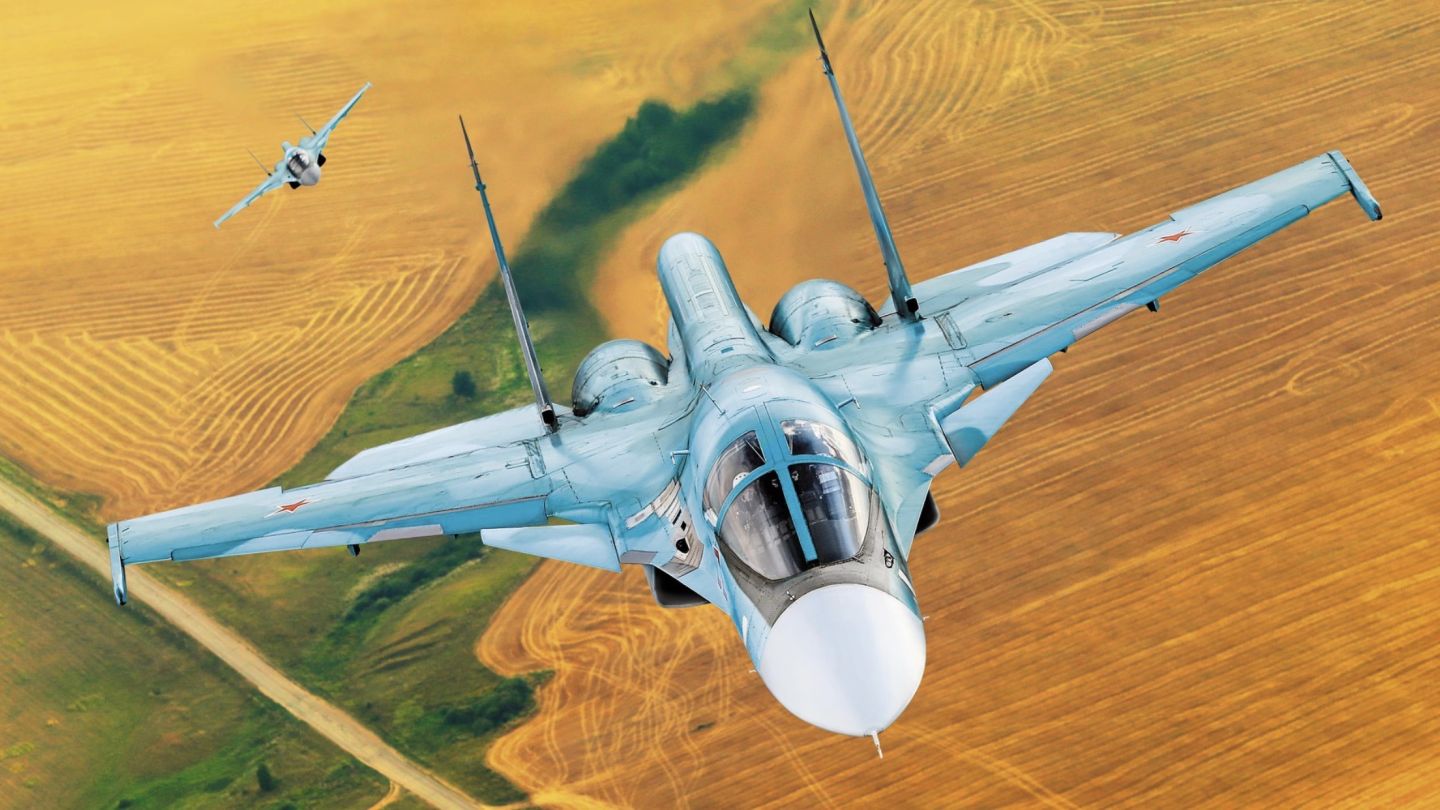
Su-34 Next Generation Strike Fighter
In the final week of May the Russian Defence Ministry is reported to have placed an order for 76 new Su-34M ‘Hellduck’ strike fighters, which will be delivered by the end of the current state armaments plan in 2027. The aircraft will reportedly be enough to replace two full regiments of Su-24M strike platforms, an advanced analogue to the American F-111 Aardvark which is currently being phased out of frontline service in favour of the newer design. Alongside the Su-35 air superiority fighter, which first entered service the same year in 2014, the Su-34 is the newest fighter class in the Russian inventory and represents an extensive modification to the Soviet Su-27 Flanker design. The aircraft its prized for its high endurance, powerful sensor suite and compatibility with a range of new weapons systems, which according to a number of reports includes Kh-101 and Kh-102 radar evading cruise missiles with an engagement range estimated at between 3500 and 5500km. The latter of these carries a tactical nuclear warhead.
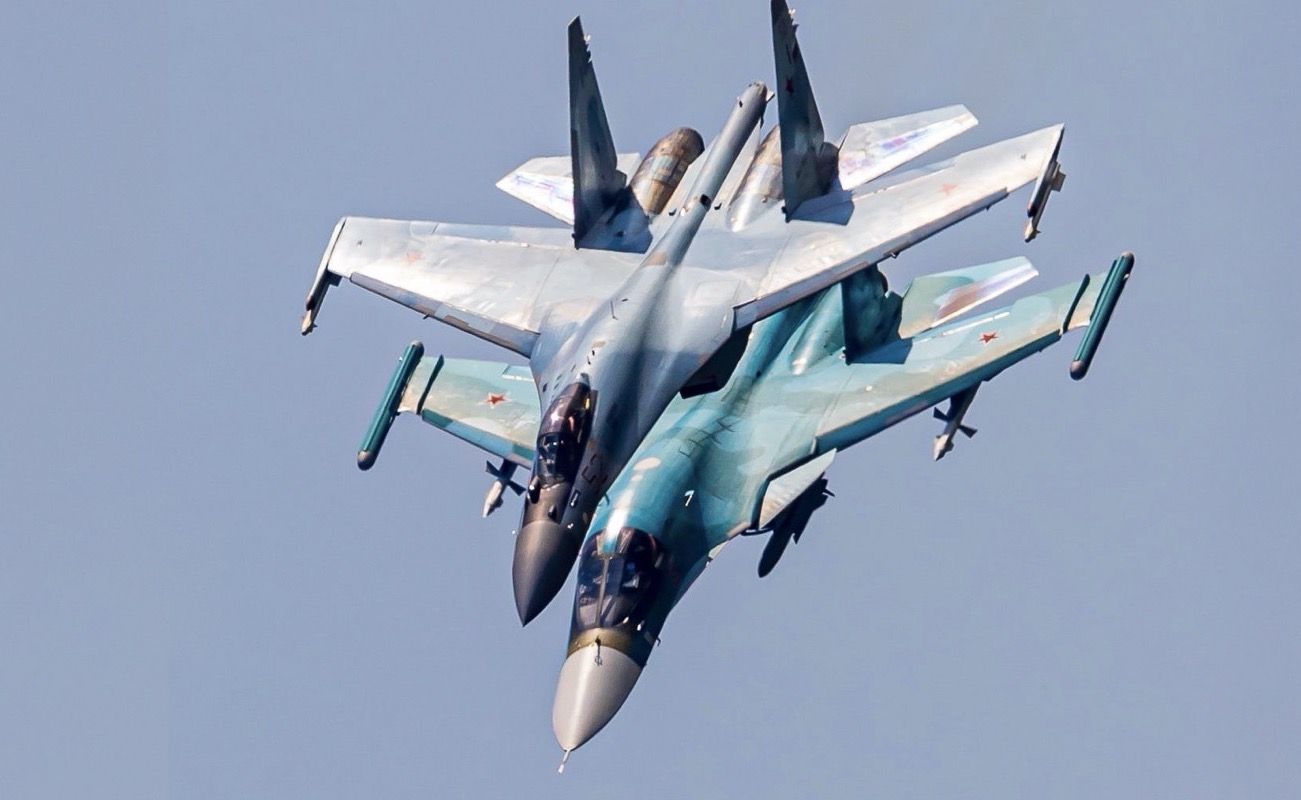
One notable feature of the new order is that new Su-34 platforms will be upgraded to the Su-34M standard, which according to director general of Russia’s United Aircraft Corporation Yuri Slyusar will double the platform’s combat capacity. New variants will come with a dedicated interface for three different types of sensors to maximise situational awareness. These include the UKR-RT pod which carries electronic search measures, the UKR-OE is a camera pod and the UKR-RL which integrates a synthetic aperture radar. The new variant will also reportedly see improvements to its air to air combat capabilities. Unlike the Su-24, the Su-34 is able to carry a defensive air to air armament which can include long range missiles such as the R-27ER and R-77, and fighters deployed to Syria have been equipped with such weapons ever since a Su-24 was downed by the Turkish Air Force in November 2015.
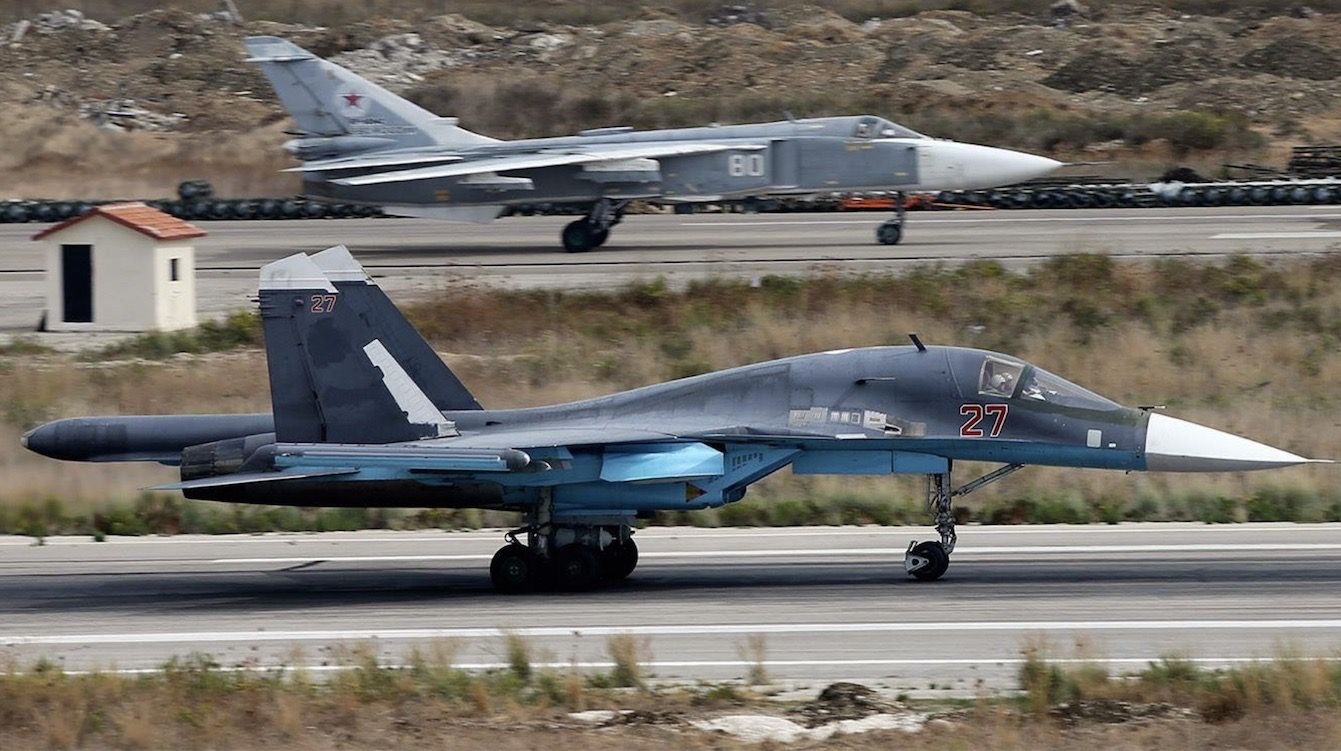
Although the Su-34 entered service the same year as its better known counterpart the Su-35, the Hellduck is today fielded in considerably greater numbers by the Russian Air Force. This is likely due to a combination of factors, including the age of the Su-24M which has made a replacement more urgent. Not only is the Su-27 being replaced by the Su-35 much newer than the Su-24M which the Hellduck is replacing, but upgraded Su-27 variants can boast similar capabilities to the Su-35 and integrate the same sensor suites and avionics meaning they are not in need of a quick replacement. The Su-34 is also considerably cheaper than the Su-35 to manufacture, and unlike the Su-35 which has to contend for a place in the air superiority fleet with newer Su-57 fighters the Hellduck’s role is entirely unique among modern Russian platforms. The Su-34 has deployed for multiple combat missions in Syria, taking a heavy toll on Turkish backed jihadist militias earlier in the year, and is considered far more survivable than it’s Soviet era predecessor. The Russian Air Force its expected to field close to 200 Su-34 fighters by 2027, although the possibility remains that production could be further expanded particularly if export orders are made to subsidise the costs of doing so.
