
India’s Tejas Fighter Program Suffers Major Setback with High Profile Leak and Crash in Dubai
Military Watch Magazine Editorial Staff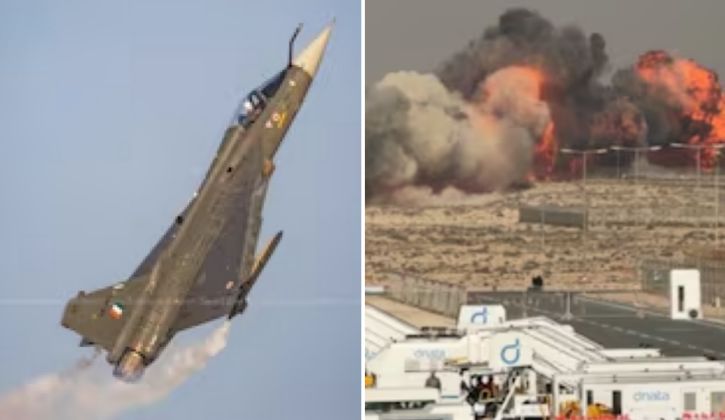
Tejas Fighter Crash at the Dubai Airshow
An Indian Air Force Tejas fighter jet crashed during a demonstration at the Dubai Airshow on November 21, killing the aircraft’s sole pilot. The Air Force reported that it “deeply regrets the loss of life and stands firmly with the bereaved family in this time of grief,” adding that a ”court of inquiry is being constituted, to ascertain the cause of the accident.” Footage of the flight shows the aircraft flying across the display site several times, before appearing to lose control and diving steeply toward the ground at the Al Maktoum International Airport at Dubai World Central. The crash follows multiple reports that the aircraft was experiencing oil leaks at the event.
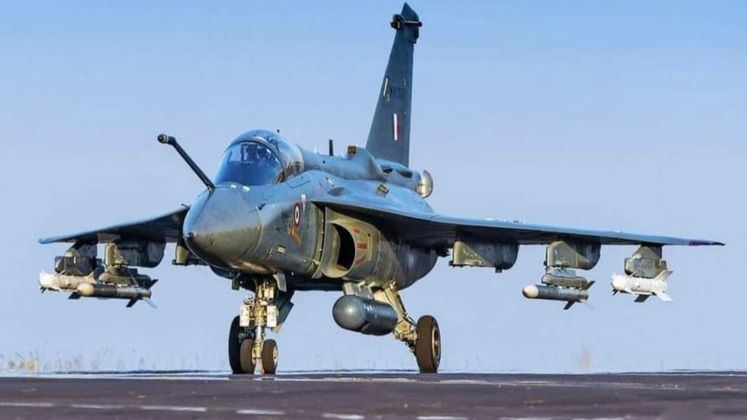
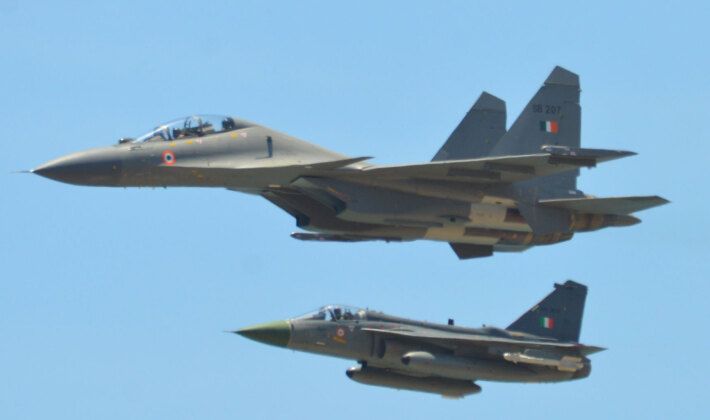
The incident represents a major public relations disaster for India’s first major indigenous fighter program, with the Tejas suffering from decades long delays and remaining in limited service over 24 years after its first flight. The program has sold to mitigate the limitations of local industry by relying on imported engines and an avionics from the United States and Israel. India has made efforts to market the fighter abroad, with the very lightweight aircraft falling in the same weight range as the Sino-Pakistani JF-17 Block 3 and Swedish Gripen E/F. A major limitation of the program has been its cost, with a large order placed in September seeing the fighters cost approximately $72 million each, which compares poorly to much heavier and more capable aircraft, such as the Su-30MKI that forms the backbone of the Indian fleet.
The Indian Air Force has suffered from significant public relations setbacks in 2025, with between one and four of its newly procured Rafale fighter aircraft having been shot down by Pakistani forces during clashes in May. Long hyped by Indian officials and media, the procurement of the aircraft has been highly controversial due to their extreme costs and on paper limited capabilities. It remains uncertain whether continued issues with the Tejas program will lead the Defence Ministry to reevaluate efforts to focus on indigenous fighter development, with reports from both local media and official sources indicating that the Ministry is expected to sign a major contract to procure Russian Su-57 fifth generation fighter aircraft. As India faces an increasingly unfavourable balance of power in the air, the prioritisation of the Su-57 to provide a fifth generation fighter capability may compete with the much lighter and less capable fourth generation Tejas for funding.
