
India Announces Indigenous Stealth Fighter Will Fly Within Two Years: Can It Meet the Target?
Military Watch Magazine Editorial Staff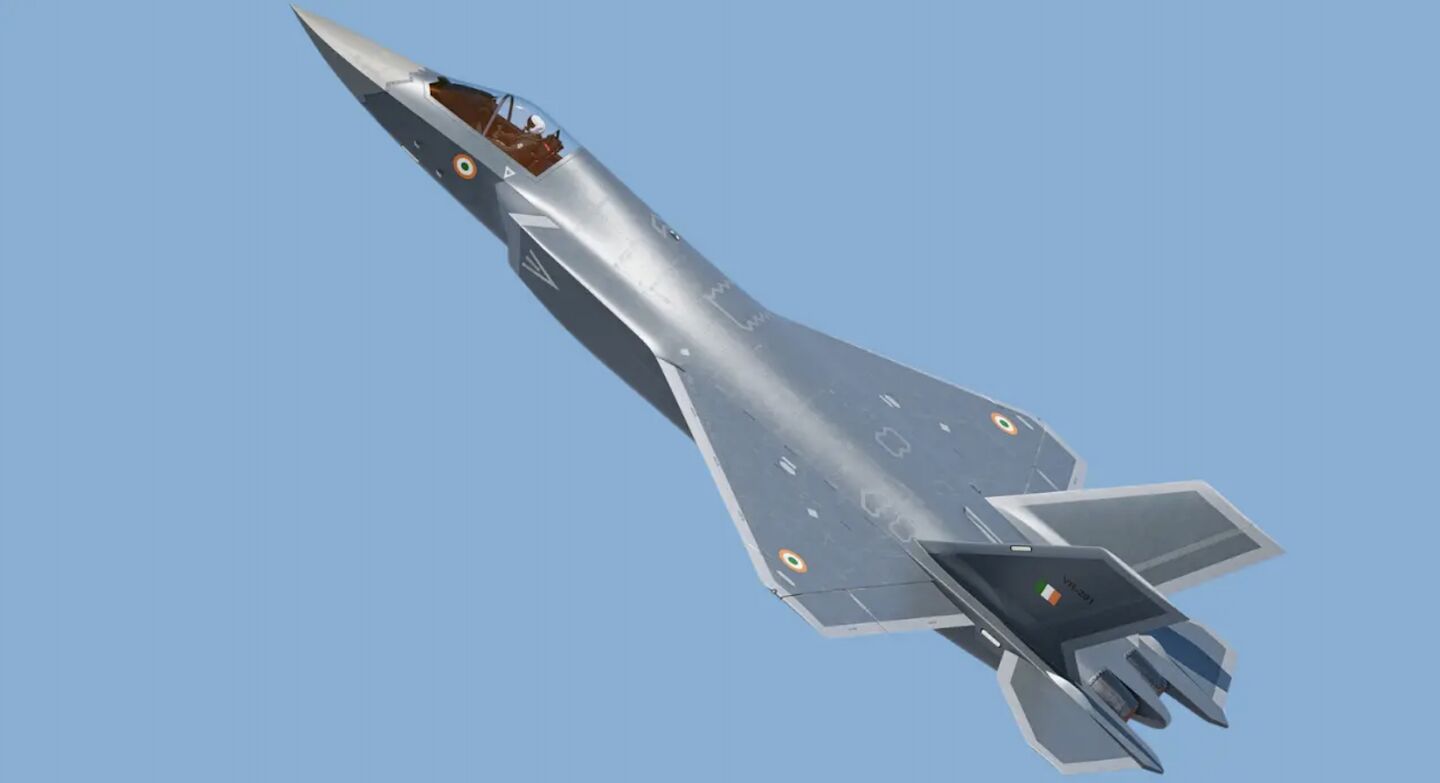
Indian AMCA Fifth Generation Fighter - Artwork
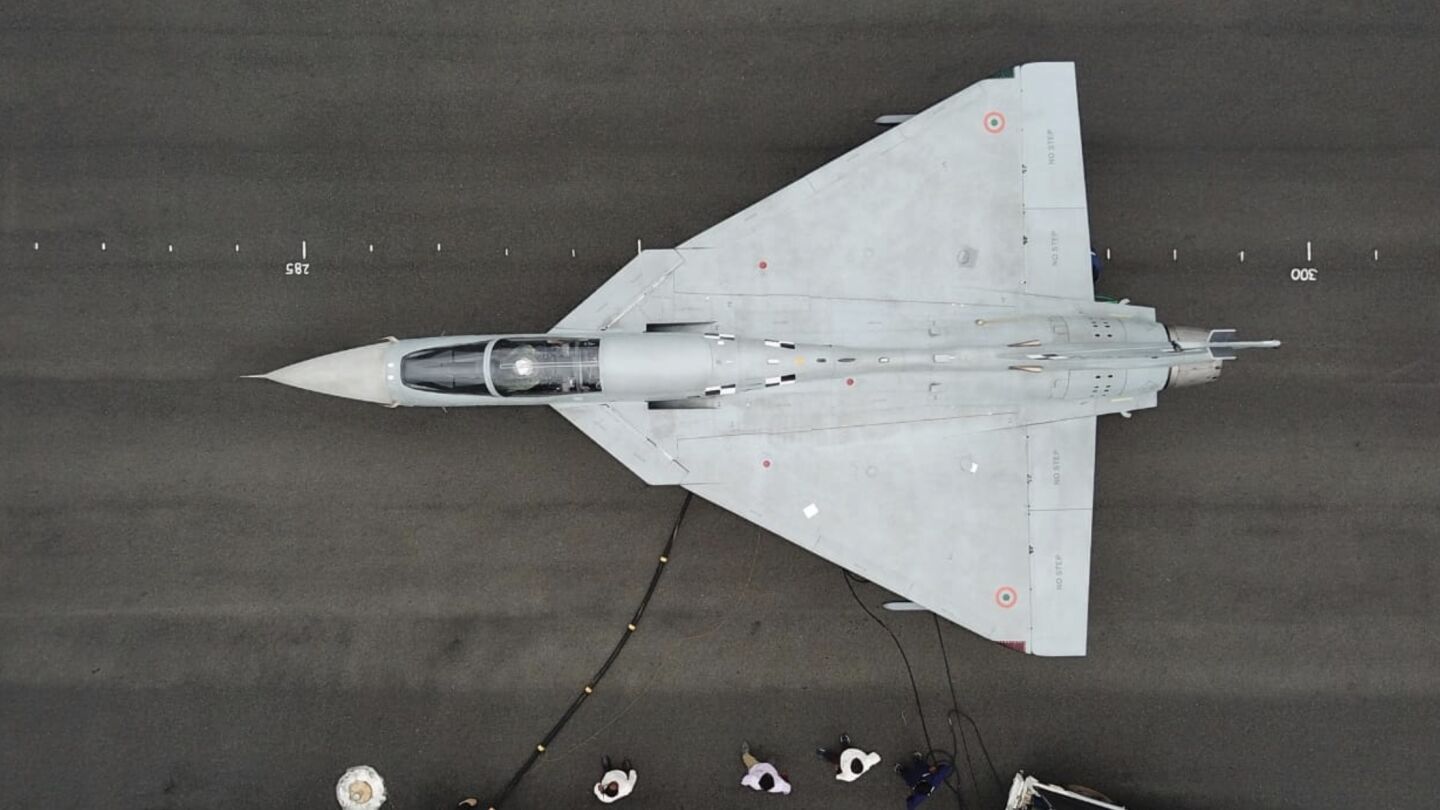
India has set September 2028 as the target for the first flight of its Advanced Medium Combat Aircraft (AMCA) fifth generation fighter, with Defence Secretary Rajesh Kumar Singh also stating that the Tejas Mk2 light fighter is expected to make its maiden flight by September 2027. The timelines were announced at the NDTV Defence Summit in New Delhi on September 27, placing a specific target on two of India’s most important indigenous fighter programs. The AMCA program still being in the process of selecting the private-sector firm that will manufacture its initial prototypes, which has raised serious questions regarding the viability of bringing it to a flight testing stage so quickly. The government has issued a request for proposals to three qualified bidders, with the competition still underway.
The three bidders are Tata Advanced Systems Limited, bidding independently; an L&T-led consortium involving Bharat Electronics Limited and Dynamatic Technologies; and a Bharat Forge-led consortium involving BEML and Data Patterns. State-owned Hindustan Aeronautics Limited (HAL), which has traditionally been India’s principal military aircraft manufacturer, was not among the qualified bidders. Singh said the decision to open the program to private industry was intended to establish an additional fighter production line rather than continuing to rely exclusively on HAL.
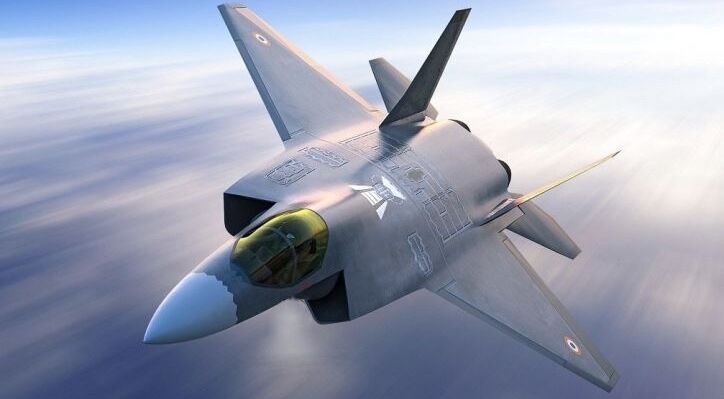
The AMCA is planned as a twin-engine fifth generation fighter with a low-observable airframe, internal weapons carriage, advanced sensors, electronic warfare systems and sensor fusion. The initial AMCA Mk1 is expected to use U.S. General Electric F414 engines, while a later Mk2 configuration is planned to use a more powerful indigenous engine developed in India with foreign technological cooperation. The F414 is also intended to power the single engine Tejas Mk2, linking the two programs through their initial propulsion requirements. This mirrors how South Korea’s KF-21 fifth generation fighter and FA-50 lightweight fourth generation fighter both also use a common F414 engine.
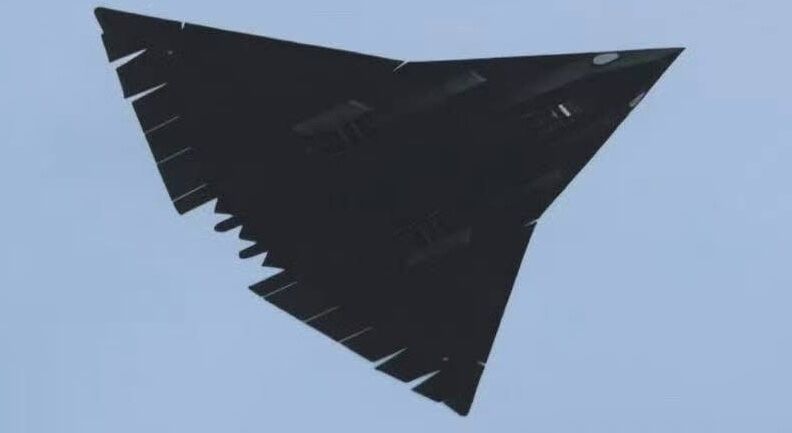
The announcement of the AMCA’s development schedule comes as India faces a widening gap between its current fighter fleet and the capabilities of neighbouring air forces. The Indian Air Force currently operates no indigenous or foreign fifth generation stealth fighters, while China introduced the J-20 into operational service almost a decade ago, and will field sixth generation fighters from around 2030. India’s fourth generation Tejas program, although far from ambitious, has also faced prolonged and very significant difficulties, which have had highly detrimental effects on the Air Force’s combat capabilities. Singh said the Indian government has not yet decided whether to acquire a foreign fifth generation fighter, with Russia’s Su-57 considered the only near term option.
