
India Begins New Phase of Su-30MKI Fighter Production with Russian Parts and Support
Military Watch Magazine Editorial Staff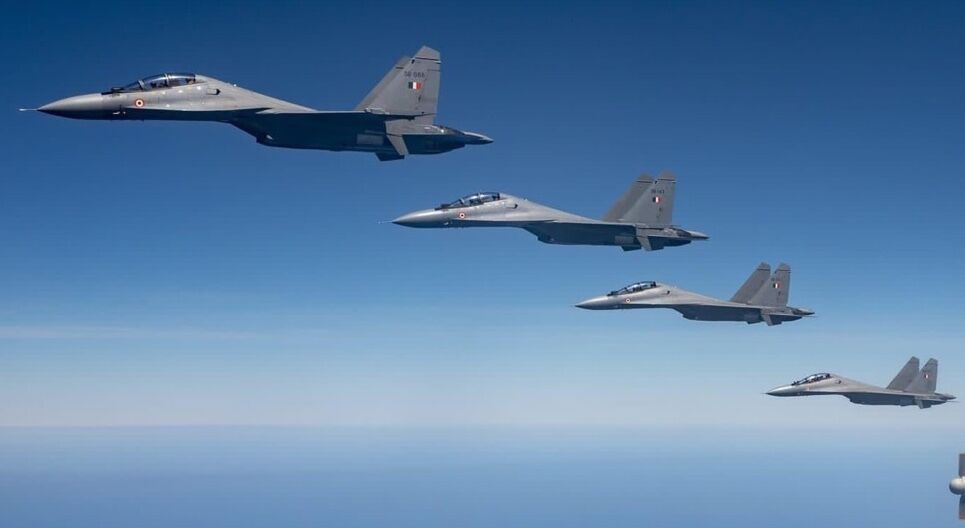
India is reviving production of the Russian Su-30MKI fighter at Hindustan Aeronautics Limited’s (HAL) Nashik facility, bringing a license production agreement that dates back a quarter century into a new phase. The facility will produce at least 12 new fighters, with the first deliveries expected to begin during the next financial year, while all aircraft are scheduled to be delivered by 2029. A total of 222 Su-30MKI fighters have already been produced under licence agreement with Russia, with 50 more having been built in Russia and delivered to the Indian Air Force fully assembled.
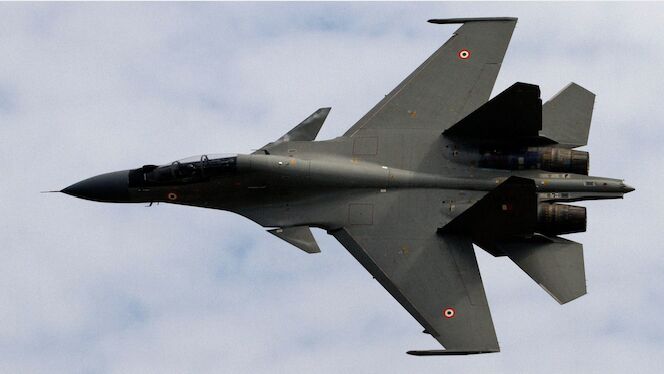
Indian industry has increasingly assumed responsibility for manufacturing, maintenance, avionics and weapons integration on the Su-30MKI, with the next production batch expected to contain up to approximately 50 percent indigenous components, representing a significant increase over prior batches. The growing proportion of domestic inputs has been an important factor influencing repeated decisions to extend production, as the program’s benefits for local industry have been tremendous. Nevertheless, the reduced efficiency of local production has raised costs considerably, with the Su-30MKI costing close to twice as much to procure as its Russian counterpart the Su-30SM.
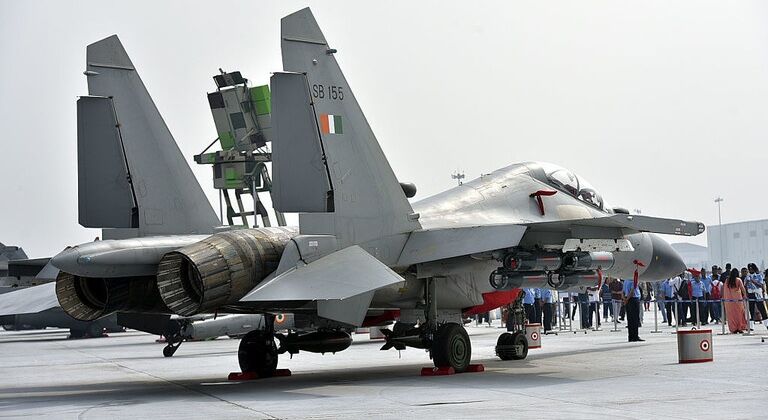
Other than the Chinese J-16, the Su-30MKI has bene procured in greater numbers than any other fourth generation fighter type by any single air force since the end of the Cold War. The aircraft is by far the most widely fielded in Indian service, with procurements having continued despite the type’s high procurement and sustainment costs. While Indian government approved the procurement of 12 additional Su-30MKI fighters in 2023, with the contract subsequently signed in December 2024, multiple local sources have called for orders to be placed for over 70 more to expand the fleet to close to 350 fighters, which would go a long way towards making up for the significant shortfall in fighter numbers.
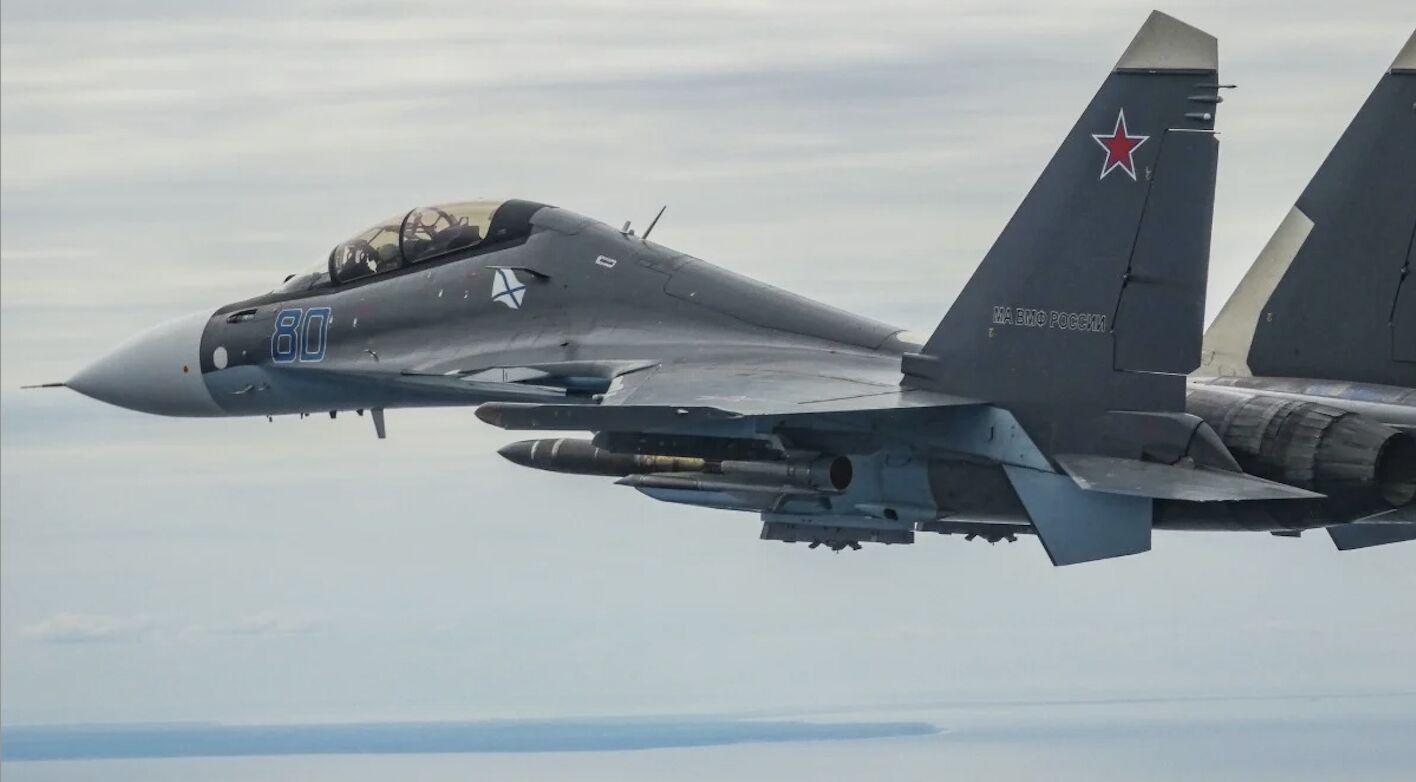
The resumption of Su-30MKI production is taking place alongside a much more ambitious effort to modernise the existing fleet, as India is pursuing the Super Sukhoi program to upgrade large numbers of existing Su-30MKIs with new radars, electronic warfare systems, avionics, infrared sensors and other equipment. One of the most important elements is the planned replacement of the aircraft’s existing radar with an Indian active electronically scanned array (AESA) system. It remains uncertain what other technologies and subsystems are envisaged to modernise the Su-30MKI, with a significant possibility remaining that they will integrate the AL-41F-1S engines that have been used to enhance the Russian Su-30SM. Their integration would provide a far superior flight performance, a longer range through improved fuel efficiency, and reduced operational costs and maintenance needs. The integration of the new R-77M air-to-air missile is also considered likely.
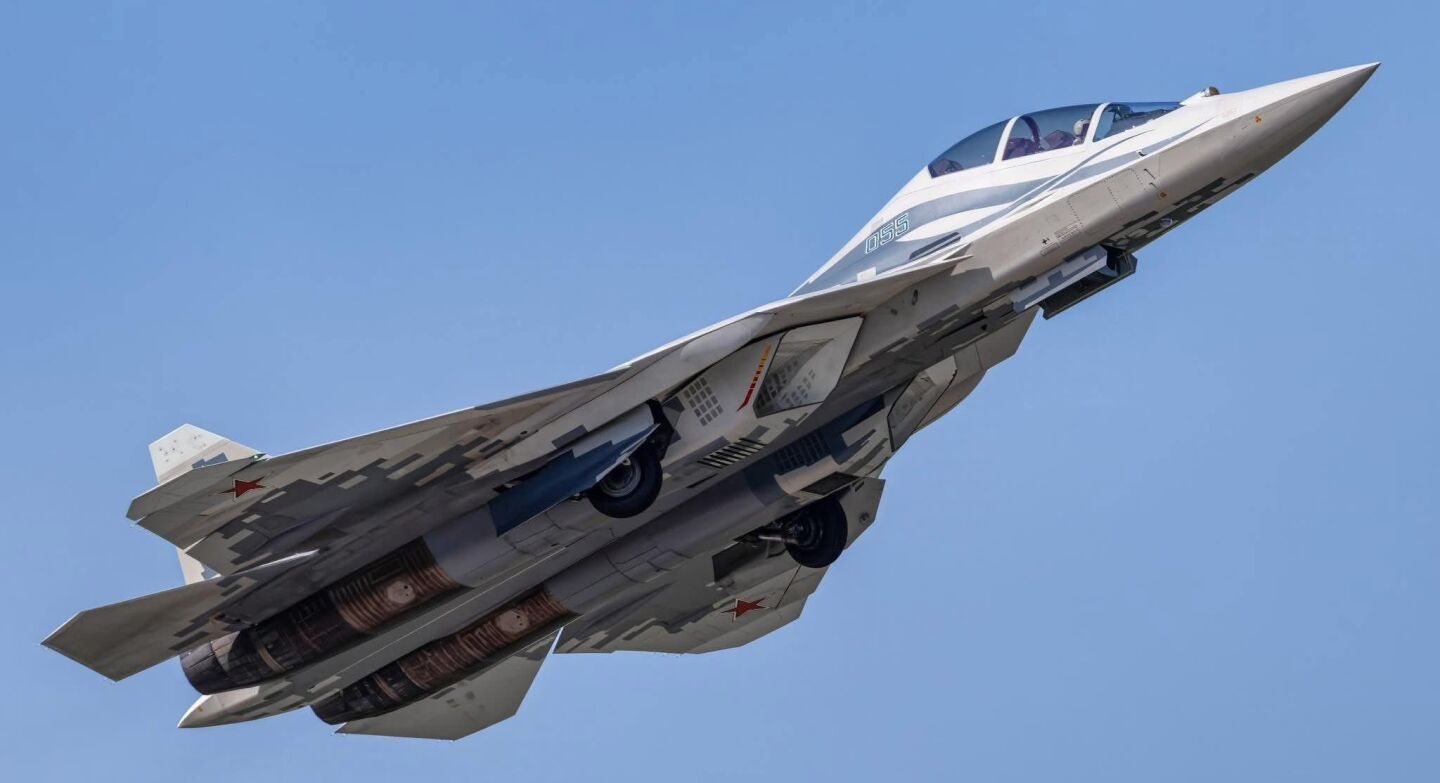
The Indian Defence Ministry in January 2026 confirmed that talks on the license production of the Su-30’s fifth generation successor, the Su-57, had reached an advanced technical stage, raising the possibility that resumed Su-30MKI production could pave the way for a refurbishment of facilities to produce the newer aircraft. In June 2025 the Russian Defence Ministry was reported to have made an unprecedented offer to provide full access to the Su-57’s source code as part of a license production deal, while Director of the Russian Federal Service for Military-Technical Cooperation Dmitry Shugayev in December alluded to the possibility of this reaching the stage of a fully joint program.
