
India Likely to Purchase additional MiG-29 Batches - They Could Be Its Last
Military Watch Magazine Editorial Staff
MiG-29 Twin Engine Medium Fighters
Following on front an order placed in early 2019, the Indian Air Force is expected to place an additional order for MiG-29 twin engine medium fighters to further expand its combat fleet. India was the first country to place an order for the MiG-29 in 1982, which were relied on to provide an advantage over the lighter and less well armed F-16s in the Pakistani Air Force, and over 150 of the aircraft are in service today. India’s MiG-29s are some of the best armed in the world today, and deploy modern sensors and electronic warfare systems and R-77 and R-27ER long ranged air to air missiles - the former which are active radar guided. The fighters are prized for their low operational costs, high versatility and respectable all around performance from situational awareness to manoeuvrability.
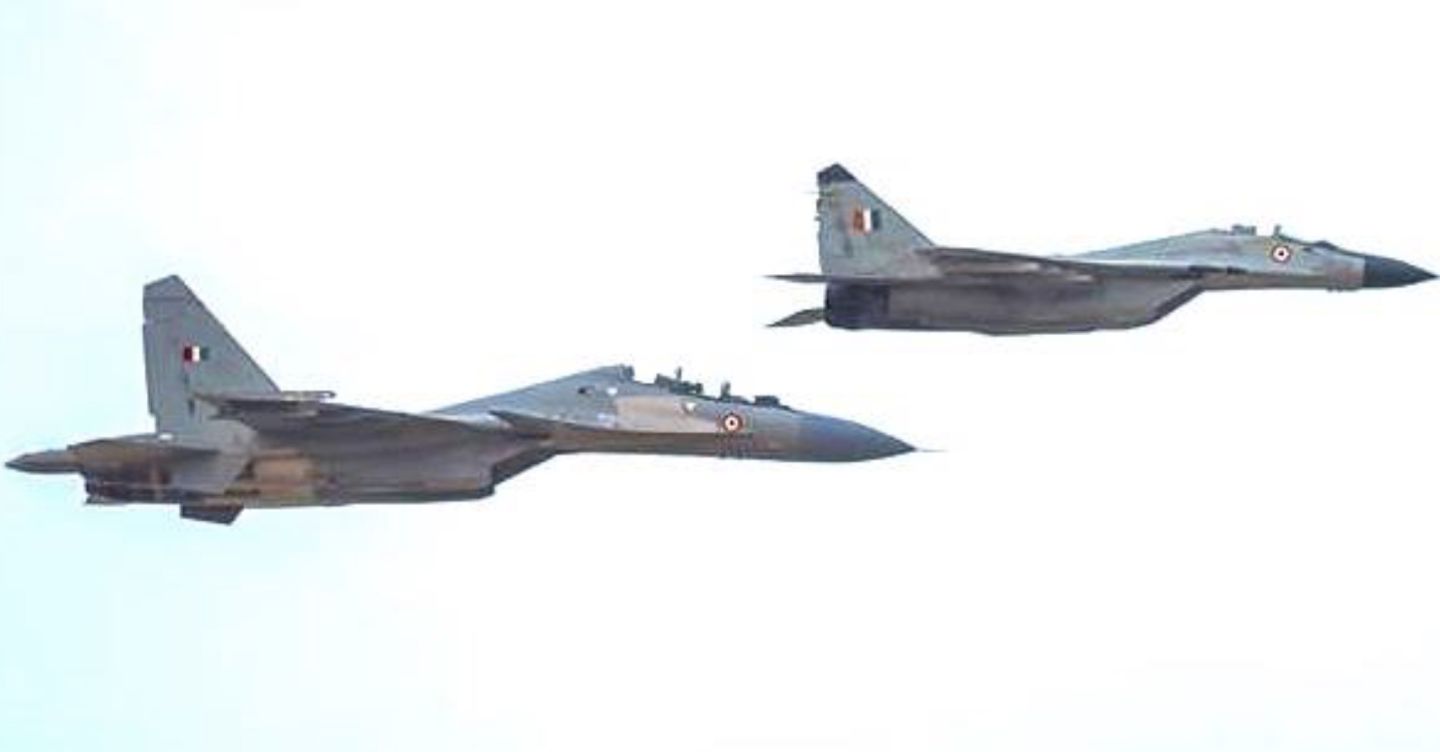
India plans to acquire over a dozen new fighter squadrons by the end of the decade, and while the bulk of it’s recent orders have been for the heavyweight Su-30MKI air superiority fighter the MiG-29 provides a viable alternative with a much lower operational cost. The fighter retains a considerable advantage over all serving Pakistani aircraft such as the F-16C and JF-17 Block 2 in both visual and beyond visual range combat, although the upcoming JF-17 Block 3 is expected to surpass its capabilities at range. Alongside MiG-29 purchases by the Indian Air Force, the Navy is expected to acquire approximately three dozen MiG-29K fighters to operate from its new carrier INS Vikrant - which is expected to enter service by the end of 2023. The MiG-29 is an attractive fighter for the Indian Air Force because it can be delivered far faster other medium weight aircraft, with Russia thought to retain several hundred completed but unassembled kits for the aircraft which it is willing to sell to India for assembly alongside updates for their avionics and sensors and new munitions.
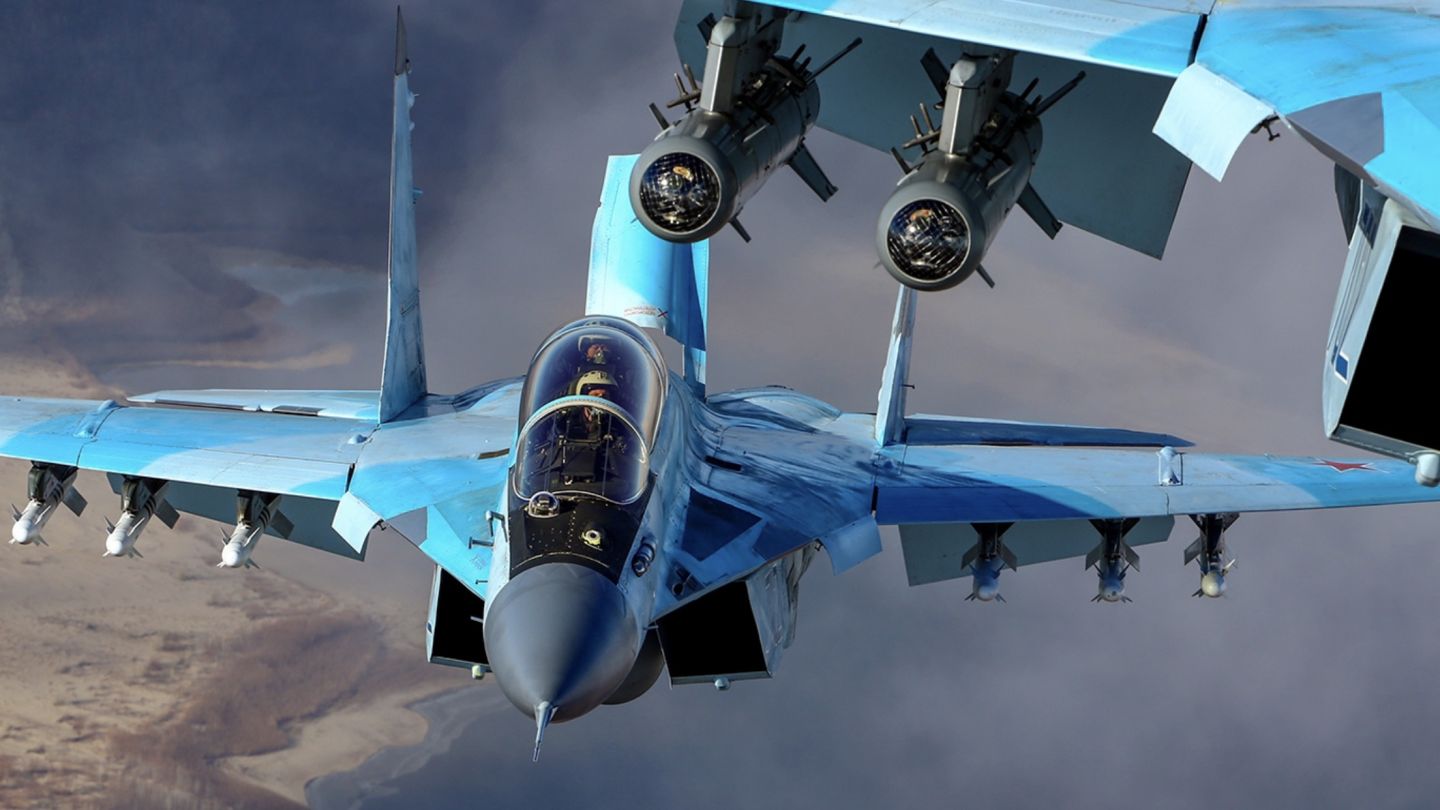
The upcoming batch of MiG-29 fighters may be the last one India will purchase, as the country is expected to begin purchases of its next generation successor the MiG-35 in the near future. The MiG-35 makes use of much of the same maintenance infrastructure to the MIG-29 and has a similar weight, but benefits from integration of next generation technologies including R-37M hypersonic air to air missiles, AESA radars and three dimensional thrust vectoring engines. The MiG-35’s operational cost is approximately one fifth of that of the MiG-29.
