
India Deploys Rafale Fighters to Australia for Exercises with NATO Members: Fleet’s Future Increasingly Uncertain
Military Watch Magazine Editorial Staff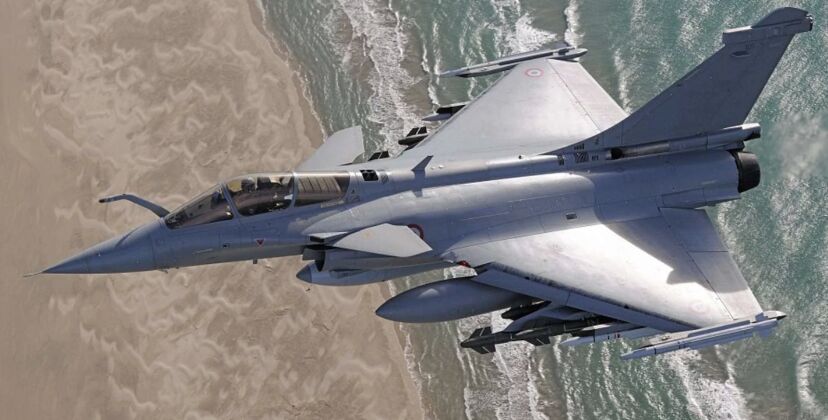
Rafale Fighter
The Indian Air Force has deployed its Rafale fighters to Exercise Pitch Black for the first time, operating the aircraft over Australia’s Northern Territory alongside aircraft from multiple Western and Western-aligned states. The deployment provides the Air Force with an opportunity to expose its limited Rafale fleet to a multinational air warfare environment, while strengthening interoperability with regional partners. The Rafales operated from RAAF Base Darwin during Pitch Black 2026, which ran from July 20 to August 7. The exercise was designed to provide participating air forces with realistic and complex air combat scenarios.
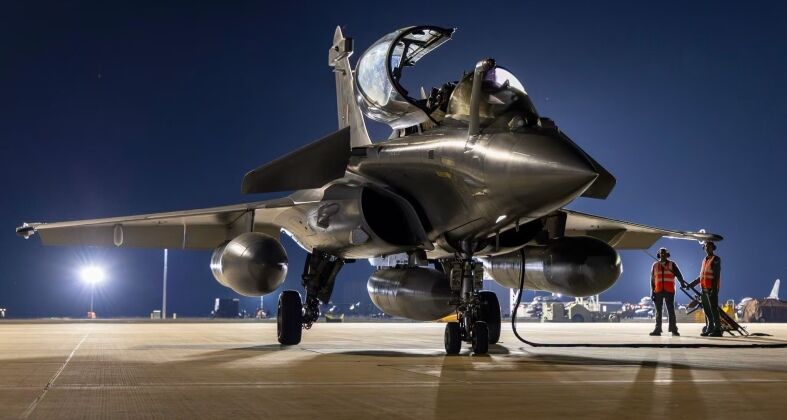
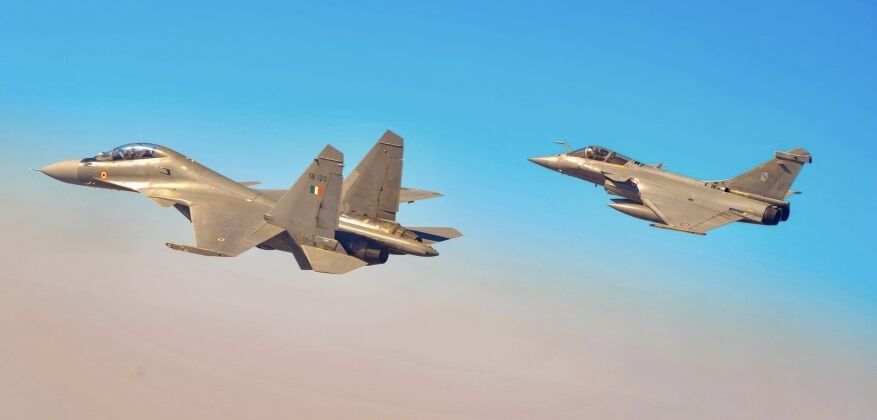
The Indian Air Force previously deployed Su-30MKI fighters to Exercise Pitch Black, with the aircraft being significantly longer ranged and integrating more powerful sensors than the Rafale. The Rafale is fielded in much more limited numbers, with 36 in service of which some were lost in air-to-air engagements with Pakistani forces in May 2025. Although the Rafale was procured much more recently, and integrates more advanced avionics and air-to-air missiles, it is constrained by its engines, which are by far the weakest of any fighter in production, and by its lightweight airframe which limits fuel carriage, radar size, and weapons capacity.
Although the Indian Defence Ministry has held talks to procure 114 further Rafales, it was reported in May to have threatened to withdraw, as French negotiators refuse to meet key terms related to local license production, access to source codes, and technology transfers. Access to the Rafale’s Interface Control Document has been linked to requirements for digital sovereignty in India’s national security, with the extent of Indian demands, and France’s consistent unwillingness to meet them, leading analysts to increasingly predict that a deal will not go through. The Russian Defence Ministry in June 2025 was reported to have made an unprecedented offer to provide full access to the source code of the Su-57 fifth generation fighter as part of a license production deal, which is reported to have further reduced the appeal of the Rafale.
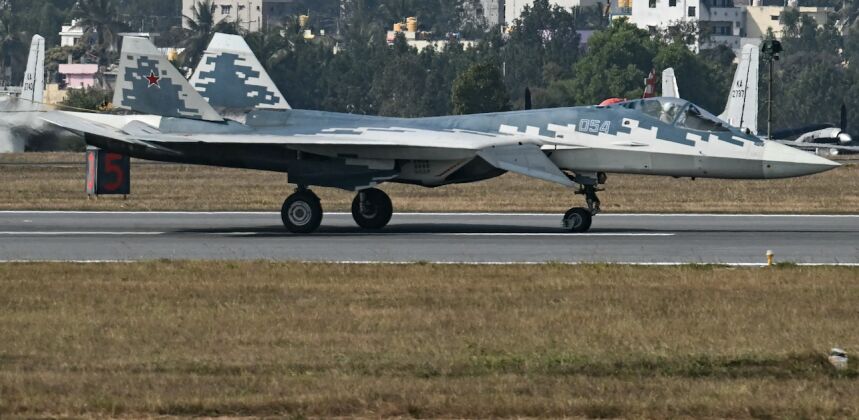
While other clients for the Rafale have not faced Russian competition, due to Western Bloc political pressure which has locked Russian fighters out of key markets from Indonesia to the United Arab Emirates, India’s resilience to sanctions threats has posed a challenge to French efforts to market the aircraft. It was confirmed in February 2025 that a license production deal for the Su-57 was being considered, while the Indian Defence Ministry in January 2026 confirmed that these talks had reached an advanced technical stage. Should no followup orders be placed, the very small size of the Rafale fleet will continue to limit its significance in Indian service, with the lightweight fourth generation aircraft considered increasingly out of date as neighbouring China rapidly expands its fifth generation fleet and prepares to bring sixth generation fighters into service around the year 2030.
