
Russia Forms Reserve Law Enforcement Unit to Support Belarusian Government - In Case ‘Extremists Cross Certain Lines’
Military Watch Magazine Editorial Staff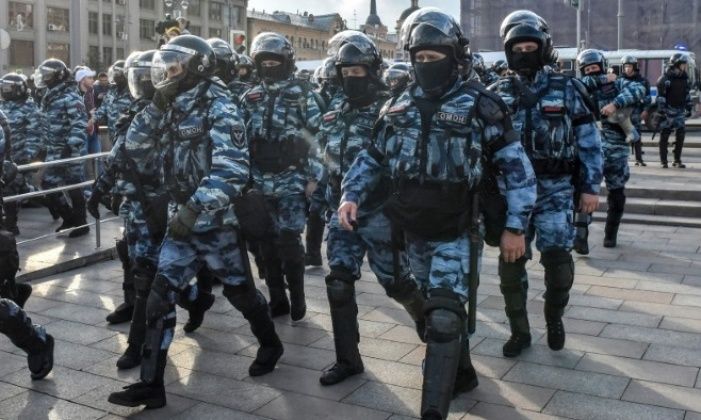
Russian Riot Police
Amid ongoing rioting and protests in Belarus, and growing perceptions in Minsk of a security threat both externally from neighbouring NATO member states and internally from pro-Western elements, the Eastern European country has increasingly sought to coordinate its response with its neighbour and close defence partner Russia. On the Russian government’s orders, a new reserve law enforcement unit has been created and will be dispatched to Belarus in the case of rioters escalating violence. According to Russian President Vladimir Putin, this unit would not be used "unless extremist elements hiding behind political slogans cross certain lines," namely, unless they begin to "torch houses, banks, to try seizing administrative buildings." Russia media has repeatedly accused Western powers of supporting and inciting violent riots to undermine governments outside the Western sphere of influence. Hong Kong has been the most notable recent example, where pro-Western rioters escalated to setting civilians on fire, stabbing policemen, setting off bombs in hospitals and firebombing quarantine centres at the beginning of the COVID-19 crisis. There has been much apprehension that, with Belarus remaining relatively stable despite considerable pressure, rioters could be incited to adopt similar tactics.
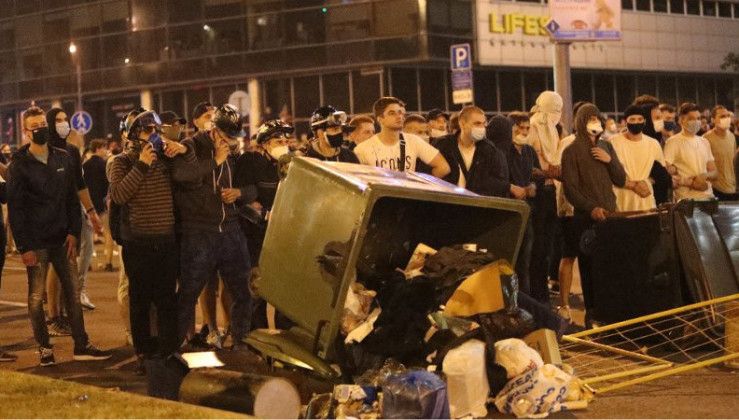
The readiness of a special Russian law enforcement unit could serve as a deterrent to escalation by pro-Western factions in Belarus, but could also be key to facilitating a quick crackdown should such parties adopt more provocative tactics. Belarus remains Russia’s only military ally on the European continent, and helping the country maintain both stability and continued political independence from the Western Bloc is strongly in Moscow's interests. Russia has repeatedly sought to press Belarus to become part of a reunified state, with both having formerly been one country under the Soviet Union and their populations coming from the same ethnic and linguistic background. Minsk has repeatedly refused such proposals, and has also refused to provide Russia with an airbase in the country. It has been speculated that the current administration in Belarus will consider closer integration with Russia, including possibly a full union, if the state is threatened with collapse. Currently, however, the momentum behind anti-government activities from within Belarus’ borders appears to be diminishing.
