
Images of China’s Game Changing New Carrier Based Jets Revealed; KJ-600 AWACS and J-15B Fighters to Deploy from Future EMALS Equipped Warships
Military Watch Magazine Editorial Staff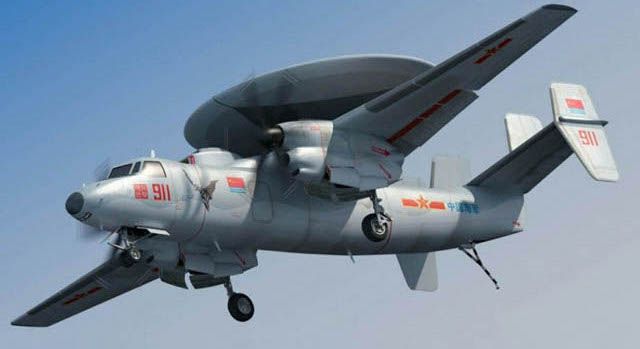
Chinese KJ-600 Carrier Based AWACS Platform - artwork
China’s People’s Liberation Army (PLA) Navy is currently preparing to commission six new aircraft carriers by the mid 2020s, to accompany the sole serving carrier Liaoning. These include the Type 001, a relatively basic design based on that of the Liaoning displacing approximately 70,000 tons, three Type 075 amphibious assault ships each displacing around 40,000 tons and capable of deploying helicopters and specialised vertical landing capable fighters, and two larger state of the art warships equipped displacing over 80,000 tons - the Type 002 and Type 003. These heavier carriers will considerably surpass the capabilities of all rival warships of their kind with the possible exceptions of the U.S. Nimitz and Gerald Ford Class supercarriers - with which their capabilities will be highly comparable to the world leading American platforms. In particular, these warships’ integration of electromagnetic catapult systems (EMALS), a technology currently deployed only by the U.S. Navy warship USSR Gerald Ford, will allow them to deploy heavier combat aircraft from the decks - allowing them to field carrier air wings on par with those of the U.S. Navy and far surpassing that currently deployed from the Liaoning and those deployed by all non-American carriers at present.
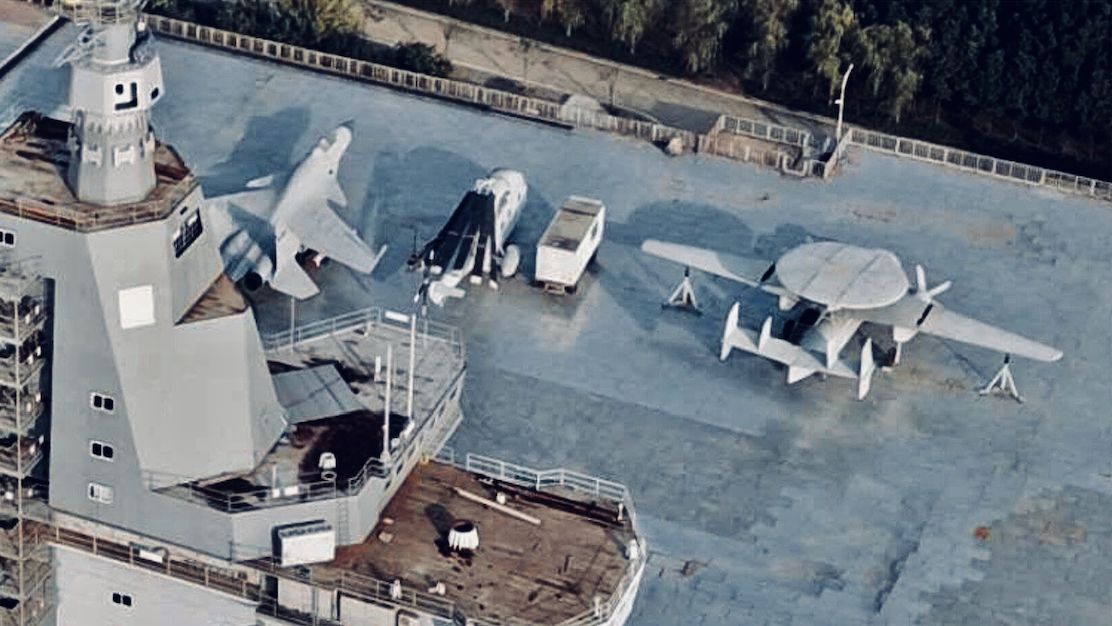
Two new aircraft which are set to revolutionise the combat capabilities of Chinese carrier strike groups, the capabilities of which have long been speculated, are the J-15B air superiority fighter and KJ-600 airborne warning and control systems (AWACS) platform. While the PLA has deployed the J-15 since 2012, when the Liaoning first entered service, the capabilities of existing variants of the fighter leave much to be desired. The J-15 is heavily restricted in its combat capabilities when operating without a catapult launch system, as the heavy long range platform lacks the energy upon takeoff from a short runway to carry the required fuel and munitions to operate at even a fraction of the airframe’s potential. New variants of the J-15 designed to operate from EMALS equipped carriers, speculated to be designated J-15B, could see their missile carrying capacities and ranges tripled as a result of the energy imparted to the aircraft by the powerful electromagnetic catapults.
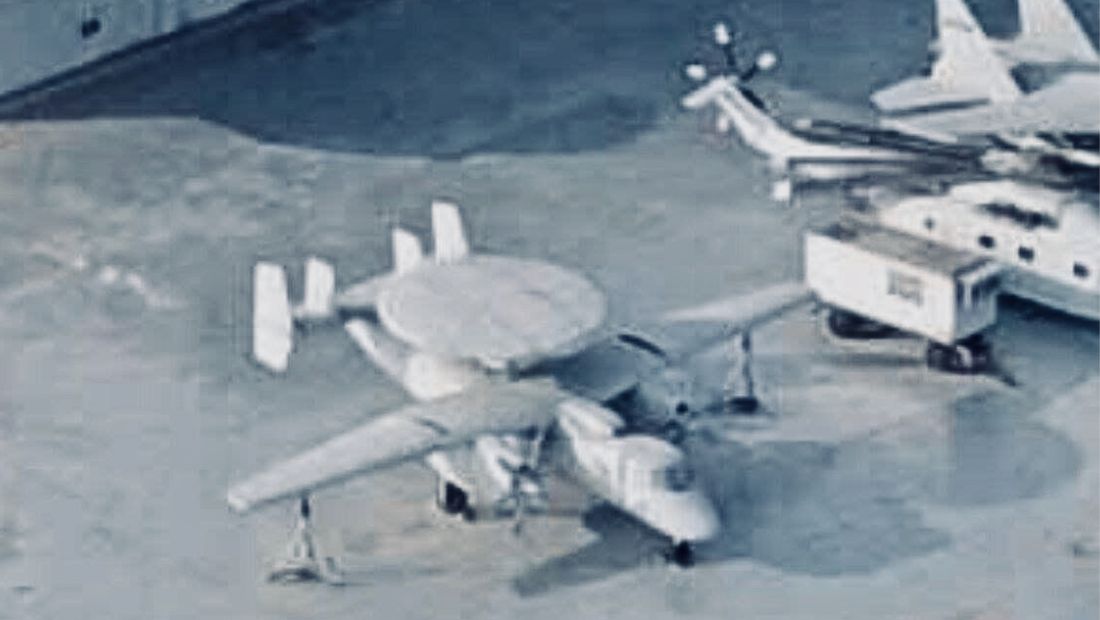
Alongside comparability with EMALS, the new J-15 variants are expected to integrate a number of new technologies bringing their performances up to a ‘4++ generation’ standard. These will include an enlarged weapons payload of 12 air to air missiles, comparability with new PL-15 Amit aircraft missiles and YJ-12 anti ship cruise missiles, three dimensional thrust vectoring engines, an active electronically scanned array (AESA) radar and updated avionics and electronic warfare systems. To regain true parity with the U.S. Navy’s carrier strike groups however, air wings from China’s new carriers will require support from airborne early warning and control (AWACS) platforms - namely the KJ-600. The aircraft is the first of its kind developed outside the United States - an analogue to the U.S. Navy’s E-2 Hawkeye - and deploys an indigenous radar of unknown design. The role of the aircraft will be to provide warning of enemy attacks, coordinate strikes by Chinese fighters and other combat assets, and even guide the long range missiles launched by fighters towards faraway targets. The propeller driven aircraft’s ability to carry a far heavier and more powerful radar than fighter sized jets will provide Chinese air wings with a vital asymmetric advantage over those which lack such support. Currently only the U.S. and French navies deploy carrier based AWACS platforms, with the latter having acquired a small number from the United States for deployment from its sole light carrier the Charles De Gaulle. With the highly secretive KJ-600 and J-15B programs both in their late testing phases, and new footage of the two having recently been leaked, the aircrafts' development demonstrates that China is well on its way to becoming one of the world’s foremost carrier powers - rivalled only by the United States.
