
How the U.S. Air Force Could Take Down Venezuela’s Elite Russian Built Air Defences - Part One
Military Watch Magazine Editorial Staff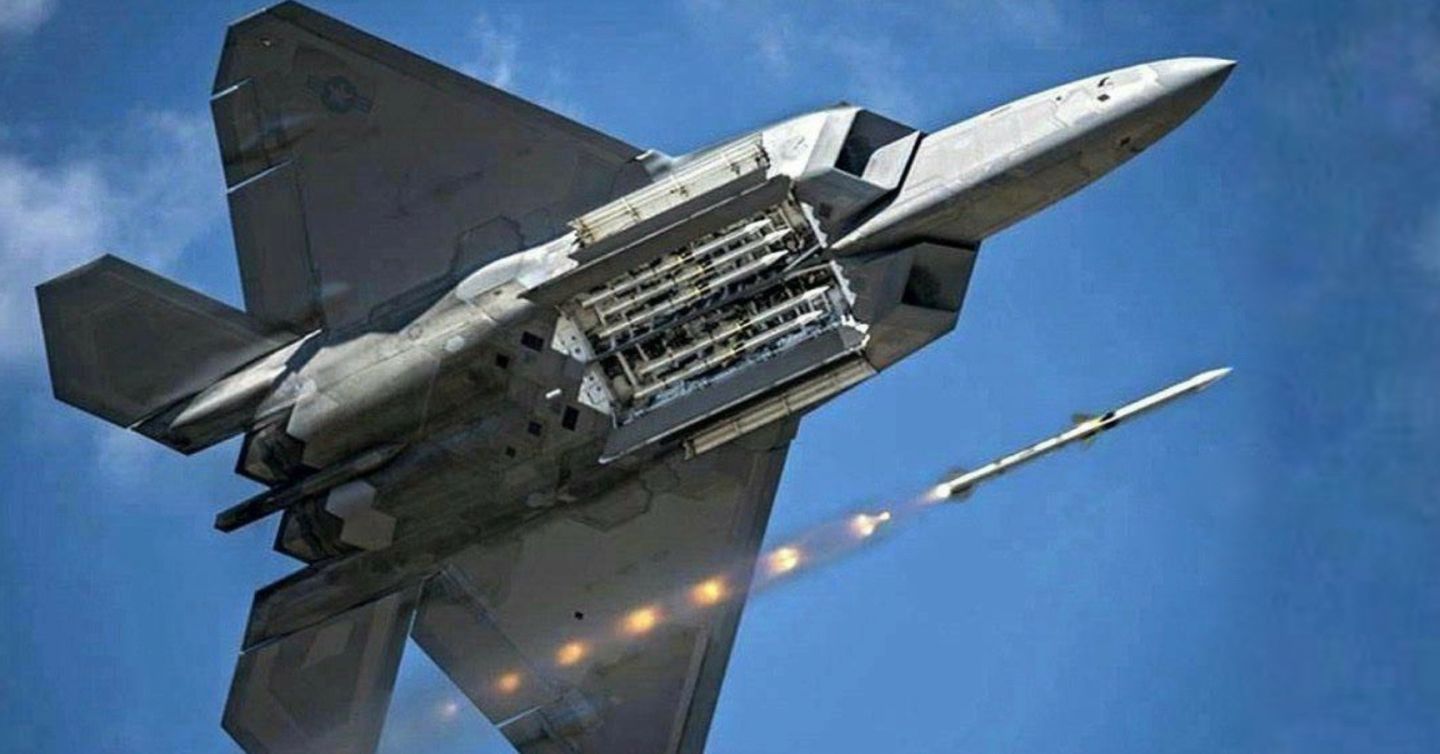
U.S. Air Force F-22 Raptor Air Superiority Fighter
As tensions between the United States and Venezuela have continued to grow, and the possibility of U.S. military action against the South American state has repeatedly been raised, one of the main obstacles to mounting such an offensive - international law aside - is Venezuela’s powerful air defence network. With Caracas’ formerly vast oil revenues facilitating a vast military modernisation program, which prioritised the acquisition of state of the art air defences and high end air superiority fighters, the country’s airspace is considerably better defended than any which a Western Air Force has attempted an assault against before. Advanced Russian made systems in service include the BuK-M2 medium range surface to air missile platform, the S-300VM long range surface to air missile platform and Su-30MK2 air superiority fighters. The Su-30 fighters are equipped with some of the world’s most capable standoff air to air munitions, including the 130km range R-27ER and 110km range R-77.
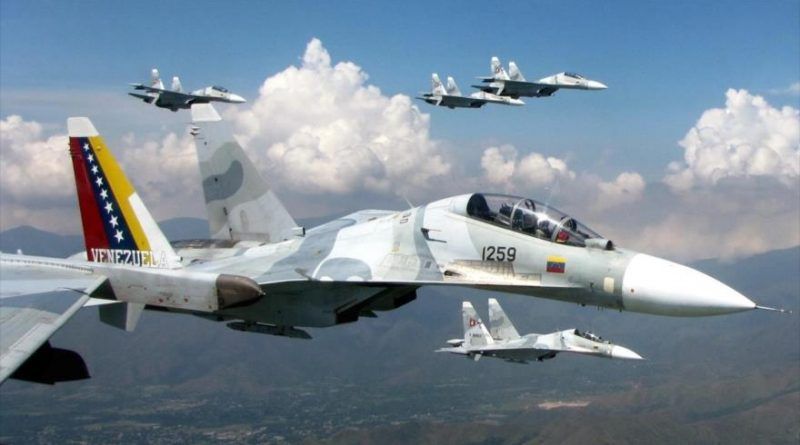
Venezuelan Air Force Su-30MK2 Air Superiority Fighters
The Su-30MK2 is the most capable variant of the Su-30 design, and one of the world’s foremost air superiority fighters. The platform’s sensors, electronic warfare systems and avionics are state of the air, while its two dimensional thrust vectoring systems will allow it to outmanoeuvre anything in the U.S. fleet - other than the F-22 Raptor which retains a comparable degree of manoeuvrability. Venezuela also retains a small fleet of F-16A Fighting Falcons acquired before the country’s Bolivarian Revolution led to a rift with the United States - though these ageing platforms lack modern standoff munitions such as the AIM-120 which leaves them effectively helpless in long range engagements, and not a match for anything currently in the U.S. inventory. Modernised variants of the S-125 surface to air missile system, a potentially lethal platform at low altitudes and short to medium ranges, are also in service in considerable numbers.
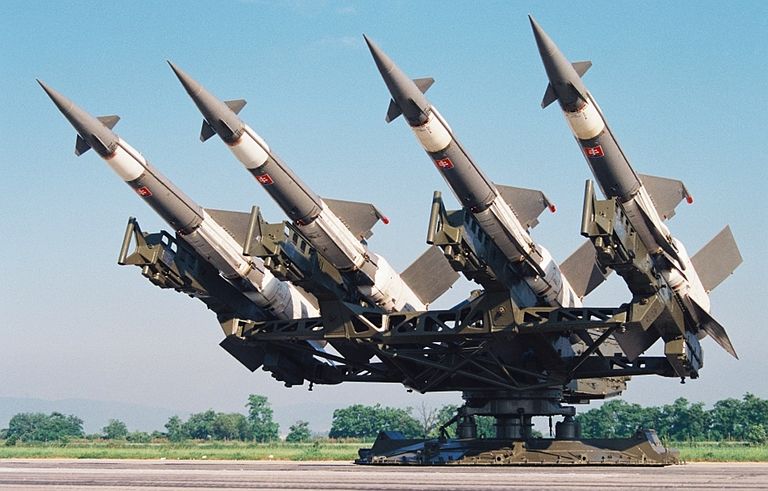
S-125 Surface to Air Missile Battery
For the United States, which has never faced any air defence network with capabilities surpassing those of the Vietnam War era (Iraq, Yugoslavia, Libya used platforms from the 1950s and some from the early 1960s) or fourth generation air superiority fighters such as the Su-27 or J-11. This means that the sophistication of Venezuela’s aerial warfare capabilities are several generations ahead of those the U.S. and its allies have faced in the past. The vast majority of American combat aircraft, including elite fighters such as the F-15 Eagle and F-18E Super Hornet, remain at a considerable disadvantage against platforms such as the Su-30MK2 - ‘4+ generation’ aircraft to which the U.S. military currently has no analogue, though this is set to change with the induction of the F-15X in the early 2020s. What is more, these fourth generation fighters were never designed to go up against a high end air defence platform - and even older variants of the S-300 system such as the S-300PMU, S-300V and BuK-M1 are considered more than capable posing a serious threat to this platforms and denying them access to a country’s airspace. The S-300VM, the second most capable variant of the S-300, and the BuK-M2, will likely prove an insurmountable obstacle for these combat aircraft which form the vast majority of the American fleet.
Continued in Part Two
