
How Capable is the New F-16G Fighter? A New Backbone for the U.S. Combat Fleet
Military Watch Magazine Editorial Staff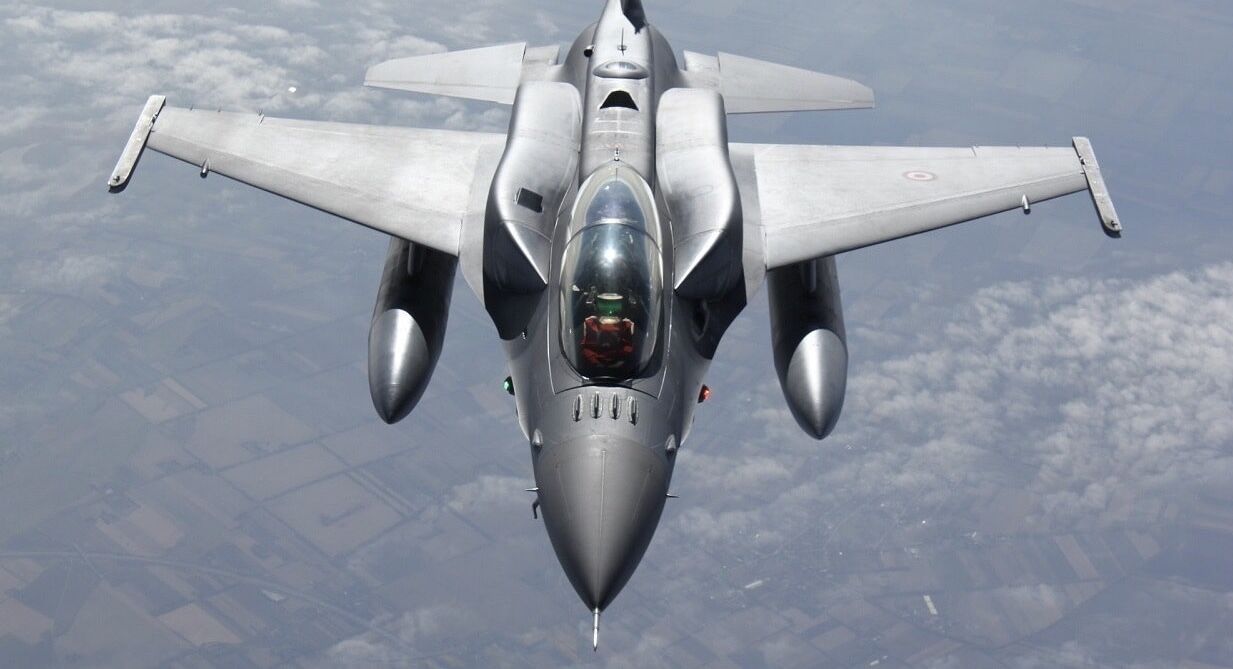
F-16
The U.S. Air Force is currently considering resuming procurements of the F-16 in Fiscal Year 2027, which would mark the end of a 22 year pause in procurements in the expectation that the F-35A would replace the Cold War era fighter type. A proposed new variant designated the F-16G is derived from the latest F-16 Block 70 standard, but incorporates a number of additional systems intended to provide substantially greater range, sensor coverage and operational flexibility than earlier F-16C/D fighters. Proposed additions are intended to provide the aircraft with considerably greater endurance and mission flexibility than both the configurations currently operated by the Air Force, and that the newer Block 70 variant.
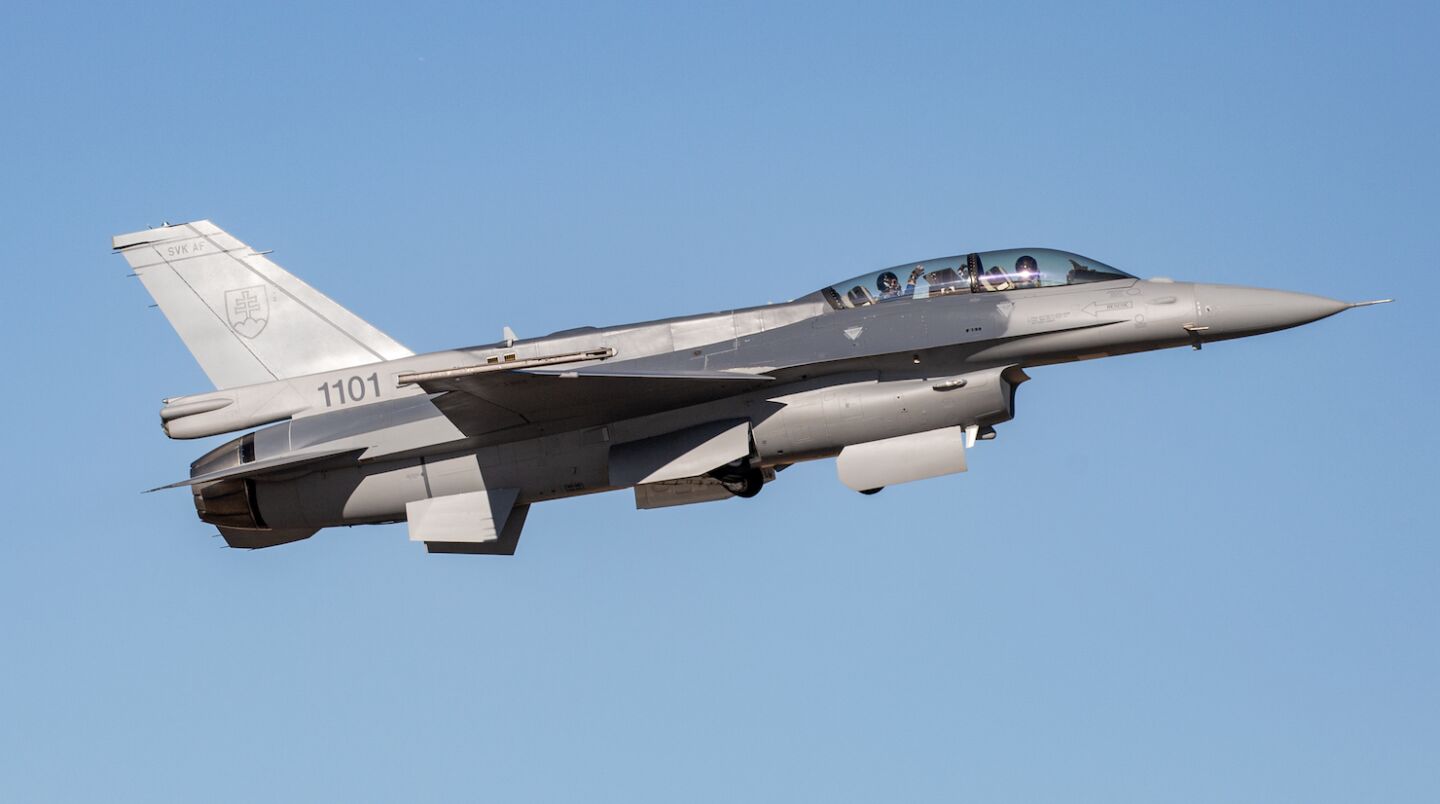
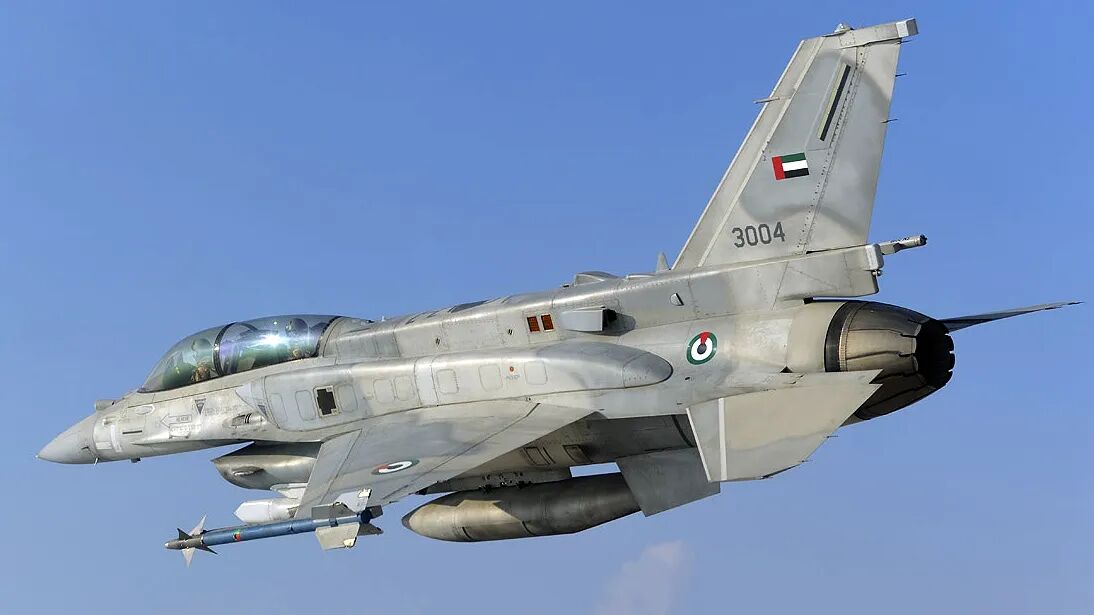
It is likely that the F-16G will integrate a new radar, which could see many of its technologies derived from the F-35’s new AN/APG-85 radar developed for stealth fighters built the Block 4 standard. This would significantly ease conflict between their signal strength and power usage and provide a considerably superior overall performance. The F-16 Block 70/72’s AN/APG-83 currently in production is already the second AESA radar to have been integrated onto the F-16, following the development of the AN/APG-80 for the F-16E/F Block 60 fighters developed for the United Arab Emirates Air Force. While Lockheed Martin states that the AN/APG-83 provides “5th Generation fighter radar capabilities” and has hardware and software commonalities with the F-35/s AN/APG-81, a newer adar based on AN/APG-85 technologies would represent a significant improvement.
The F-16G’s proposed conformal fuel tanks would further distinguish it from many existing American F-16s. Rather than occupying external weapons stations, conformal tanks are integrated against the fuselage and can provide additional fuel without consuming conventional underwing hardpoints. This allows the aircraft to retain a larger weapons load while extending its combat radius, an increasingly important characteristic as modern air-defence systems and air-to-air missiles allow engagements to take place at considerably greater distances. The reported inclusion of 600-gallon wing tanks would provide an additional increase in endurance. This would be particularly valuable for operations across the vast distances of the Pacific, although still leaving it with a far more limited range than Chinese fighters. .
The addition of an infrared search-and-track system would also improve the F-16G’s ability to detect aircraft without relying exclusively on its radar. Infrared sensors can passively detect the heat signatures of aircraft, allowing a fighter to search for targets without necessarily broadcasting its own position through radar emissions. This becomes increasingly important in an environment dominated by electronic warfare and long-range air-to-air missiles. Such radars have already been integrated onto Republic of China Air Force variants of the F-16 Block 70.
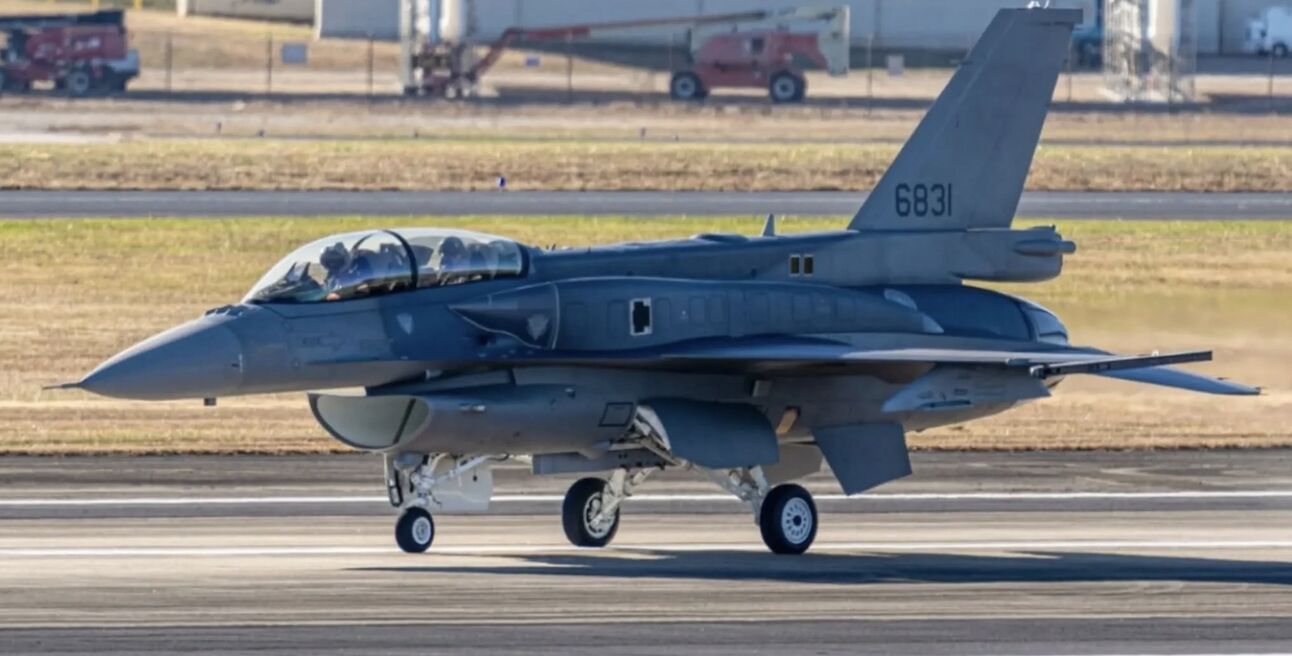
The F-16G could also benefit from electronic warfare improvements being developed for the wider F-16 fleet. Northrop Grumman’s AN/ALQ-257 Integrated Viper Electronic Warfare Suite, or IVEWS, has been undergoing extensive testing and is intended to provide radar warning, active jamming and the ability to detect, identify and locate threats. The system has completed more than 550 hours of testing across approximately 300 sorties, according to Northrop Grumman. If incorporated into a new-build F-16G, such systems would allow the aircraft to operate in a much more demanding threat environment than the F-16 was originally designed for, compensating for the type’s lack of stealth capabilities.
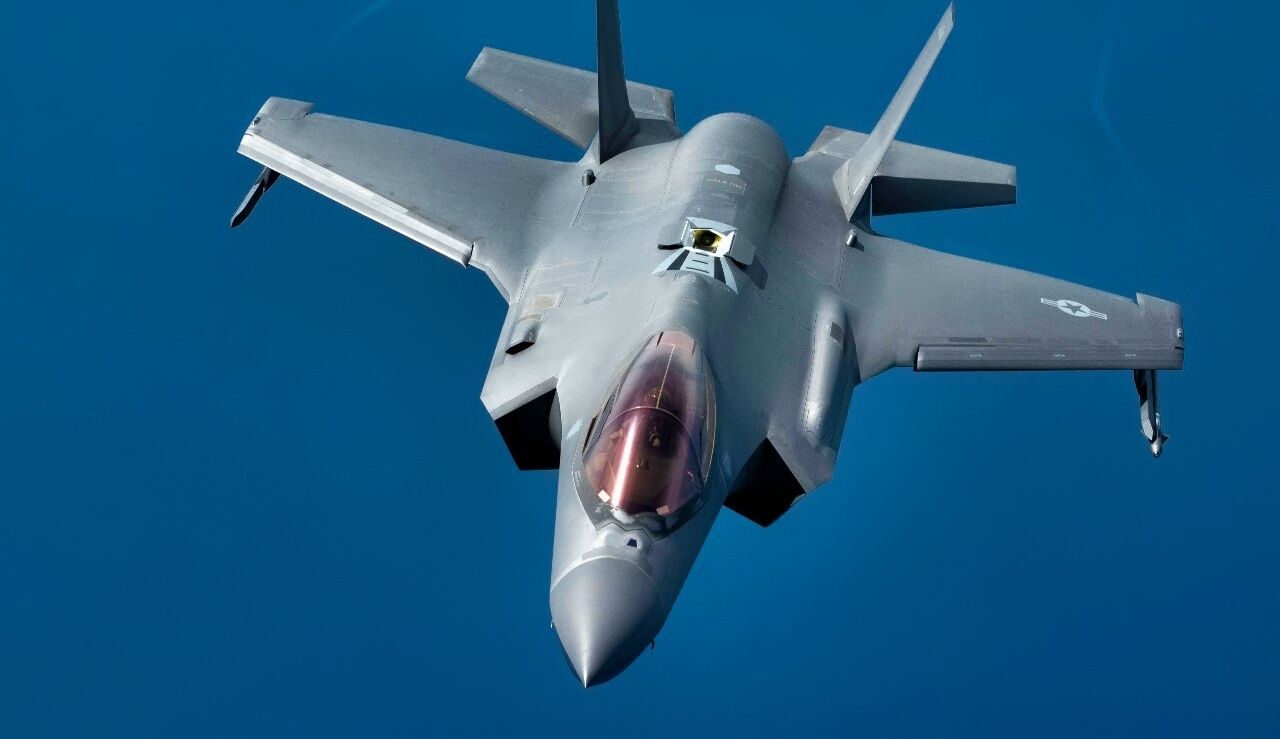
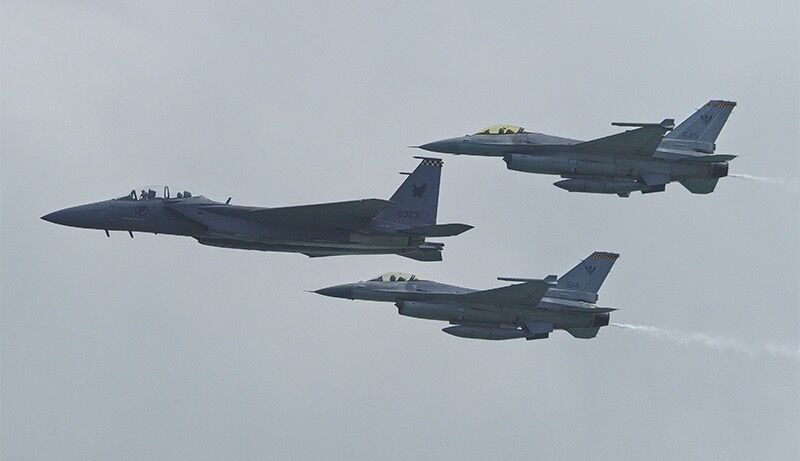
The F-16G will remain constrained by the fact that it is based on a lightweight single engine fighter type designed in the 1970s to minimise costs and provide a more affordable counterparts to the premier F-15 air superiority fighters. Despite modernisation, the fact that the fighter accommodates one of the smallest radars in the world remains a serious constraint on situational awareness, while its limited weapons carrying capacity and lack of stealth are further drawbacks that modernisation can only partly address. The fighter is being considered for procurement primarily due to cuts to procurement of the F-35, and the F-35’s much higher procurement and sustainment costs than originally envisaged which prevent it from providing a one-for-one replacement for the F-16 fleet. The fighter will remain significantly outmatched by the F-15EX and F-35A fighters the Air Force is currently procuring, and by premier Chinese fighter types such as the J-16 and J-20.
