
U.S. Plans Resumed F-16 Orders After 22 Year Pause: Can the F-16G Make Up for F-35 Cuts?
Military Watch Magazine Editorial Staff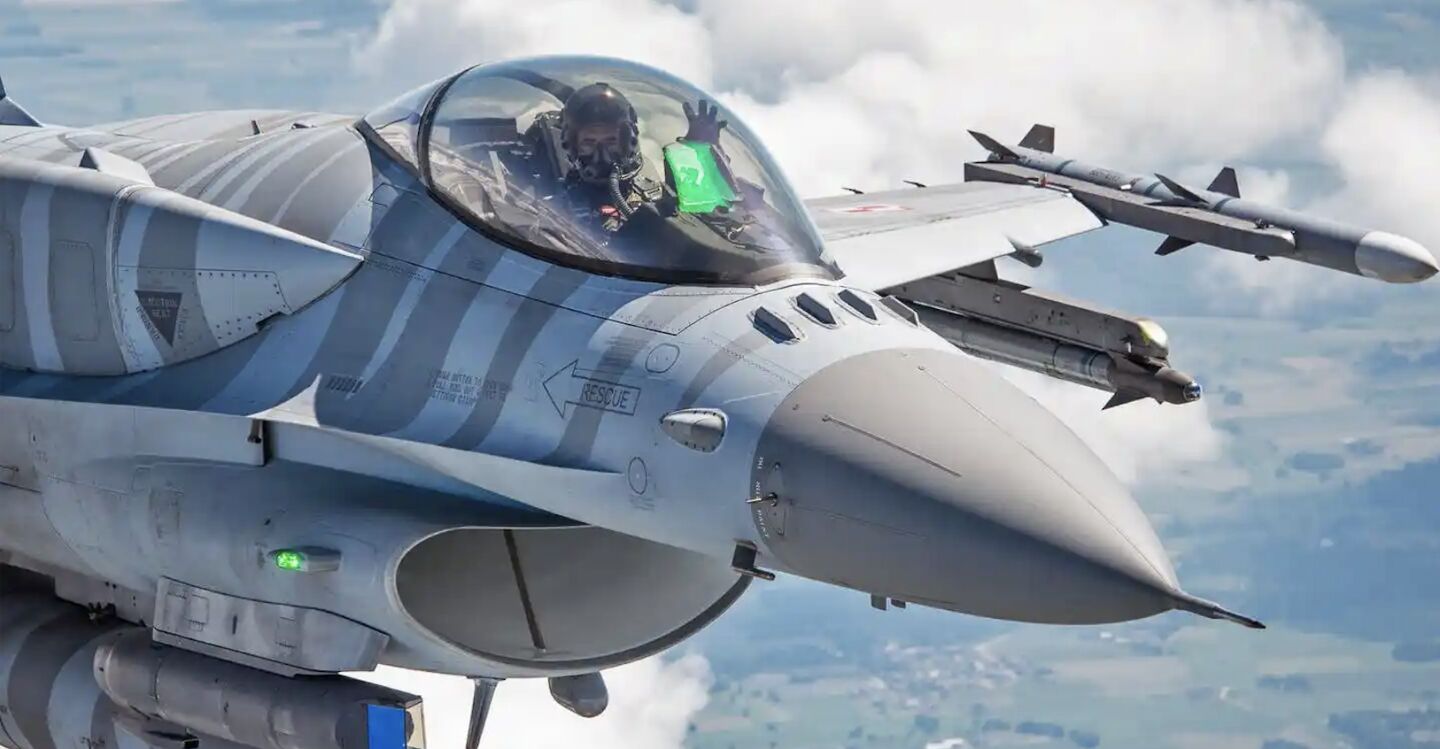
F-16 Fighter
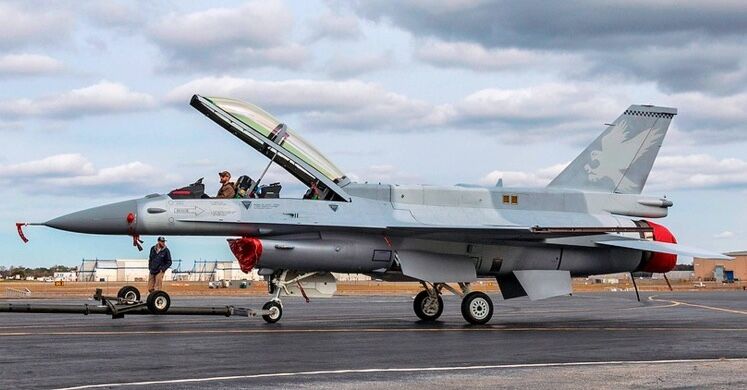
The U.S. Air Force is considering purchasing newly built F-16 fighters to address an increasingly severe shortage of fighter aircraft, as the service develops its proposed fiscal 2028 budget and accompanying five-year Future Years Defense Program. This would represent the first procurement of new F-16s by the U.S. Air Force in more than two decades, after procurements ended in 2005. Lockheed Martin currently manufactures F-16 Block 70 aircraft for international customers, which is expected to serve as the basis for the newly proposed F-16G variant.
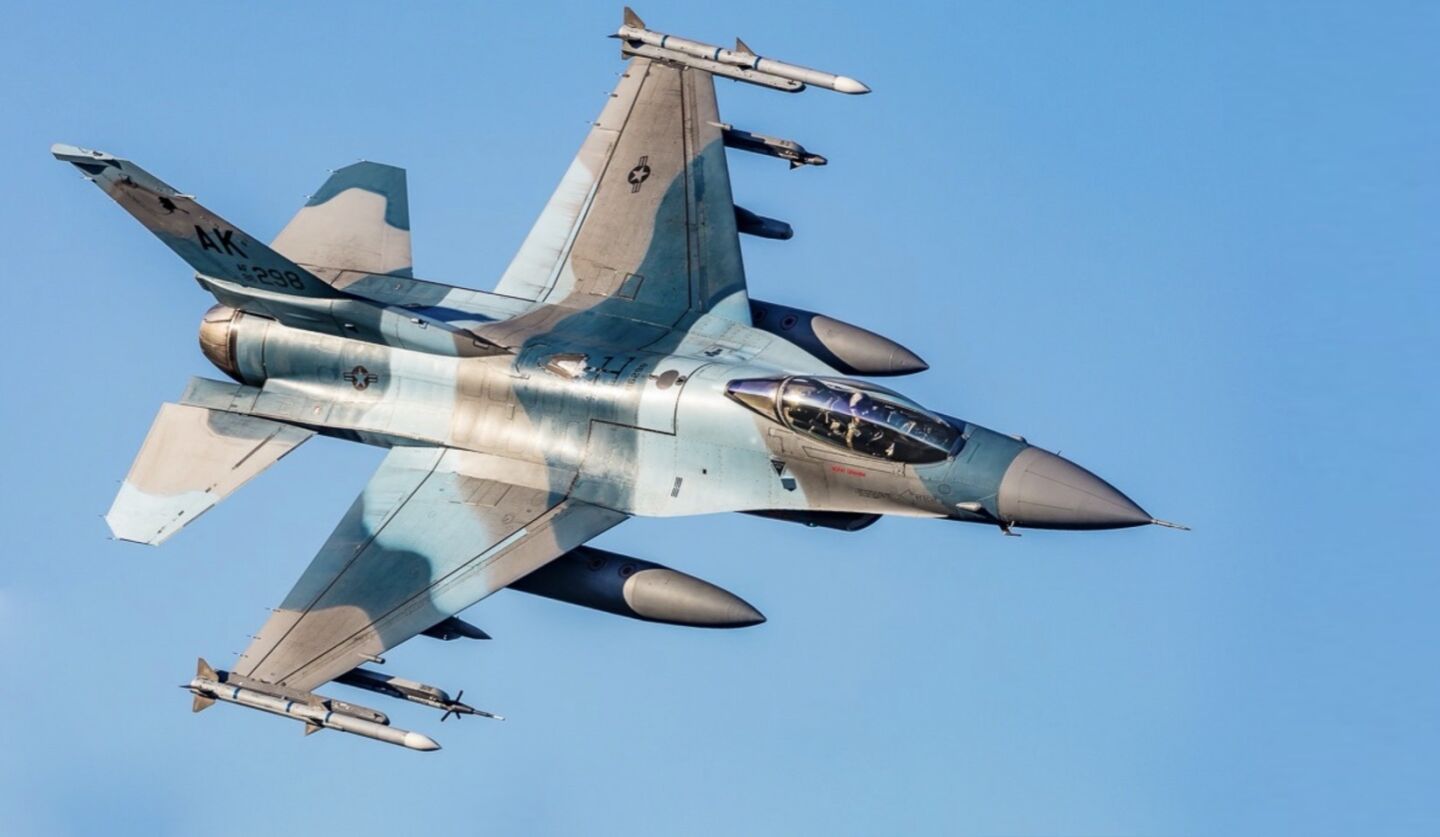
The F-16 is second oldest fighter in the world in its longevity in production, and first entered service in the U.S. Air Force 47 years ago in 1978. While the Air Force previously planned to procure F-35A fifth generation fighters to facilitate a phasing out of the F-16, major shortcomings with the F-35 program, in particular its major overruns in both procurement and operational costs, have resulted in significant shortages of fighters. Resumed F-16 procurements could mirror how even more severe shortcomings with the F-22 fifth generation fighter led the Air Force to resume procurements of the fourth generation F-15 after a more than 20 year pause in the early 2020s.
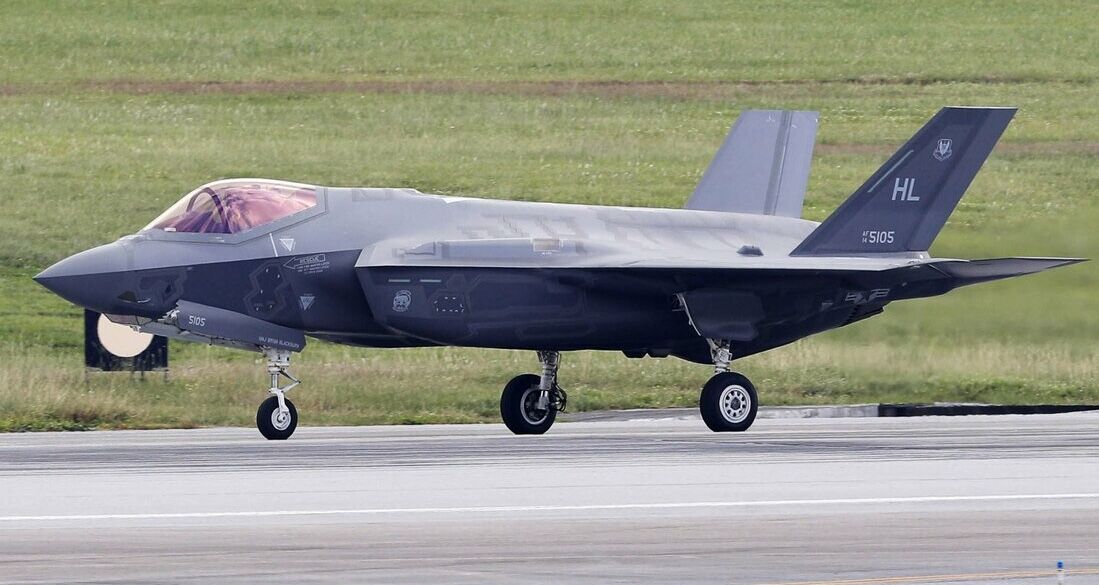
While the F-35 was initially intended to have similar operational costs to the F-16, allowing the Air Force to procure close to 1800 of the fighters, the fighter’s lifetime costs are by some estimates well over double those of an F-16. Aside from the issue of costs, F-35’s maintenance requirements have also resulted in very low availability rates within the fleet, while those of the F-16 have been among the highest despite a very high average service life. While the F-16’s low costs are attractive, and procurements could significantly boost pilot training standards by allowing for more time in the air, the fighter is far from optimal for high intensity engagements int he 21st century, with its short range, small radar, limited weapons carrying capacity, and total lack of stealth capabilities all being leading constraints.
The possibility of resumed F-16 procurements has been raised by officials and lawmakers since early 2021. On May 20, 2025, Chairman of the Senate Republican Conference and chair of the Senate Intelligence Committee Senator Thomas Cotton raised the possibility of resumed F-16 procurements, specifically using “newly built U.S.-configured Block 80 F-16s to strengthen our strike fighter fleet, if Congress can find additional funds for such an effort.” Chief of Staff of the Air Force General David Allvin responded at the time that he would “really have to look at what the defence industrial base can do on that, because my sense is that the current Block 70 is really eating up a lot of production lines and production capacity and all the FMS [Foreign Military Sales].” Nevertheless, expanding production of the F-16 Block 70/72 fighter and developing a new variant based on it could be far more straightforward than alternative solutions to addressing the Air Force’s needs.
