
Game Changer for Idlib? Turkish S-400s to Become Active in April
Military Watch Magazine Editorial Staff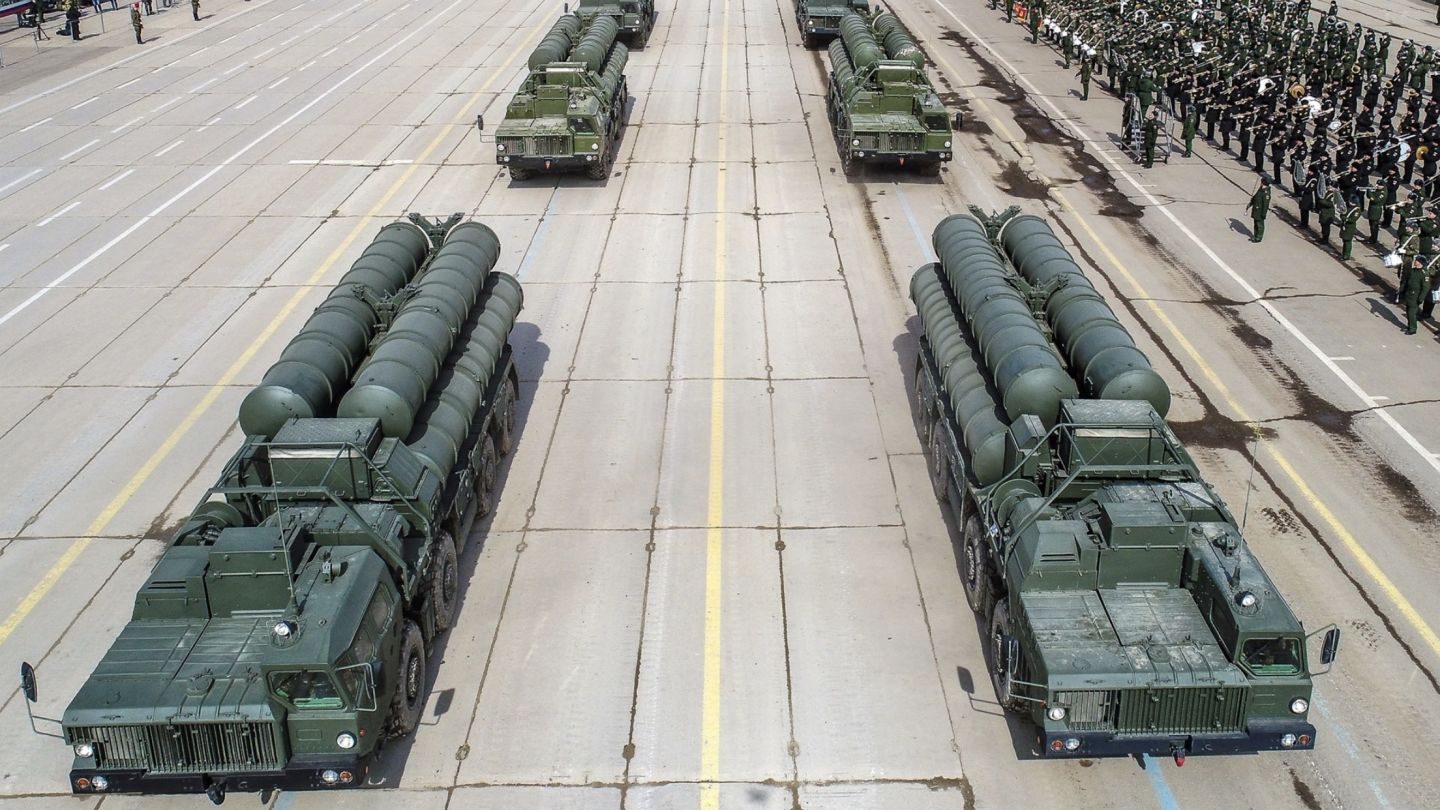
S-400 Surface to Air Missile Batteries
Just hours after a Russian brokered ceasefire agreement in Syria’s Idlib province between Damascus and Ankara came into effect, Turkish President Recep Tayyip Erdogan announced regarding plans to strengthen the country's anti aircraft capabilities: “S-400 [missile systems] are already ours. We are continuing to learn to work with them. The air defence missile systems will be ready to be used in April. Yesterday, I told [Russian colleagues], that if the United States supplies us with Patriot air defence systems, we will buy them too.” This shortly followed a statement by U.S. ambassador to NATO Kay Bailey Hutchison that America hoped Turkey would give up the Russian weapons system - the latest of many by Western officials to this effect. With S-400s already delivered, the Turkish offer to purchase its American analogue the Patriot has been widely interpreted as a move to avoid Western economic sanctions over its acquisition.
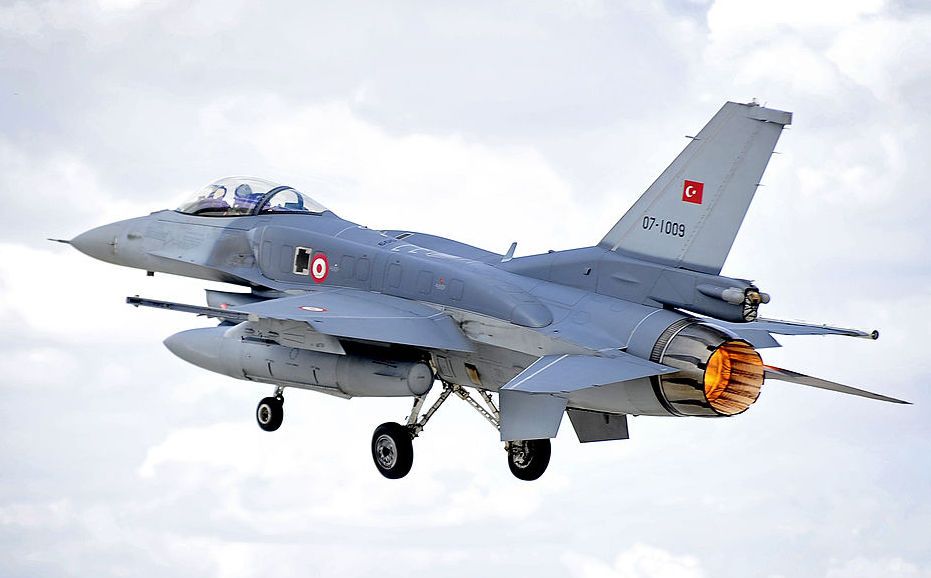
Damascus has expressed reservations regarding the current ceasefire deal, citing Turkish violations of the pervious ceasefire including massive arms flows to jihadist units operating on Syrian territory and the shelling of Syrian cities by Turkish backed militants. The ceasefire will prolong the presence of Turkish forces on Syrian soil - which lacks any justification under international law and has been strongly opposed by Damascus. While Turkey has sought to intercept Syrian attacks on jihadist militants operating in Idlib, its anti aircraft capabilities have been limited. Although Turkey fields large numbers of F-16 fighters, recent IISS reports indicate that the country does not field the AIM-120C AMRAAM air to air missile meaning its air to air capabilities are below average at range. This combined with a poor air defence network comprised of pre-Vietnam War era MIM-23 Hawk short ranged systems has restricted Turkey’s ability to assert control over the airspace above Idlib - or to protect its own airspace if attacked. As one of the world’s most sophisticated air defence systems, the S-400 has the potential to shift the balance of power drastically in Turkey’s favour should Ankara deploy the system near its southern border. The platform is capable of intercepting up to 80 targets simultaneously at high hypersonic Mach 14 speeds, and its extremely powerful sensor suites have exceeded the expectations of Turkish operators during testing. It remains to be seen how Syria may respond.
