
Europe’s Urgently Needed French-Led Stealth Fighter Program Close to Collapsing
Military Watch Magazine Editorial Staff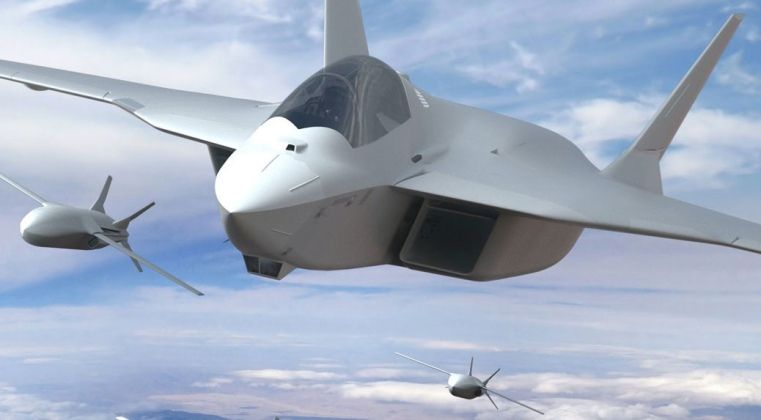
Future Combat Air System Fighter - Artwork
The Franco-German-Spanish Future Combat Air System (FCAS) next generation fighter program is facing an imminent collapse, according to recent reports by Reuters. As China and United States, followed several years behind by Russia, are currently the only countries have their own fifth generation fighters into serial production, European states have been left increasingly heavily reliant on the U.S. F-35 as the only NATO-compatible option for a fully up to date fighter type. With the competitiveness and international standings of European fighters rapidly diminishing, the FCAS was intended to provide an alternative to the F-35 both for European states and for export clients.
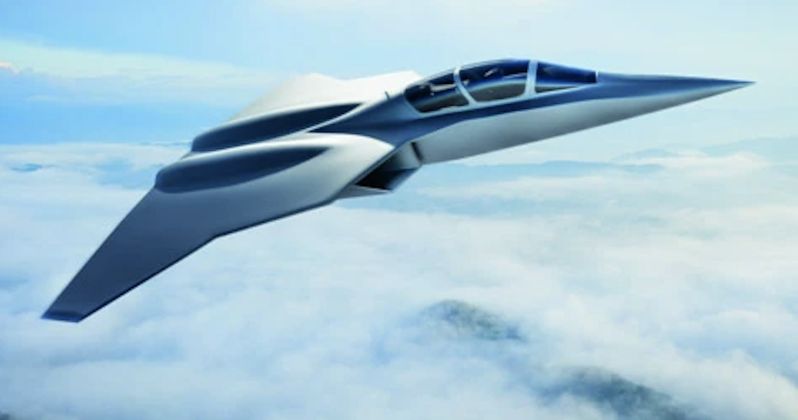
Reports of the FCAS program’s imminent collapse follow a statement by German Chancellor Freidrich Merz that he was doing everything possible to salvage the program, and had appointed two mediators to resolve differences with France. German mediators have assessed that joint development of a fighter with France is no longer seen as feasible, however. Although marketed as a sixth generation fighter, the standing of European industry and its tech sector has meant that it is almost certain that an aircraft operating in the same league as Chinese and U.S. sixth generation fighters currently under development would not materialise. Considering these limitations, the ability of the FCAS program to produce an aircraft competitive with even planned ‘5+ generation’ variants of the F-35 remains in serious question.
Following the emergence of the first reports in September that officials at the German Defence Ministry were considering options to leave the FCAS program, sources have since informed Reuters that while Germany and France might abandon the joint development of a manned fighter, they would likely continue to cooperate on related software and data systems, as well as unmanned ‘wingman’ aircraft. Even if it avoids collapse, the FCAS program is not expected to produce a fighter for over two decades. CEO of France’s primary fighter developer Dassault Aviation, Eric Trappier, observed to this effect as early as 2021 that “[The target of] 2040 is already missed, because we already stall, and the discussions of the next phase will surely also be long... so we rather aim for the 2050s.”
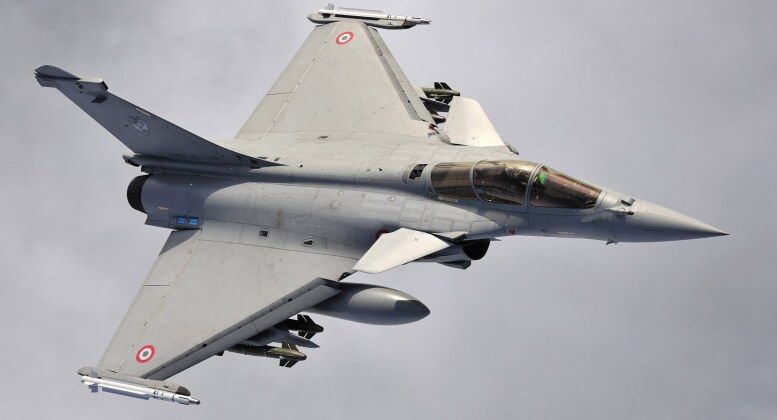
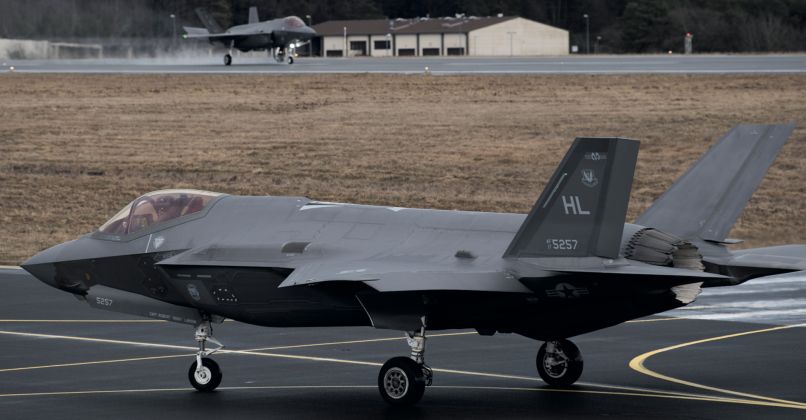
The state of the Future Combat Air System program is considered a leading factor increasing German interest in the F-35, as while Germany’s political leadership had long opposed the possibility of procuring the American fighter, due to the perceived risks of overreliance on the United States and a need to protect local industry, there remain no near term alternatives. Although Germany has hedged between procuring the F-35, and continuing to order the costly and much less capable locally produced Eurofighter, France has continued to avoid procurements of foreign fighter types. The collapse of the FCAS program would have more serious implications for the country’s air power, as the French Rafale fourth generation fighter already faces fast growing obsolescence issues, while France is unlikely to consider procuring the F-35 to address this.
