
France Deploys Leclerc Tanks Across Ukraine’s Western Border For Live Fire Exercises
Military Watch Magazine Editorial Staff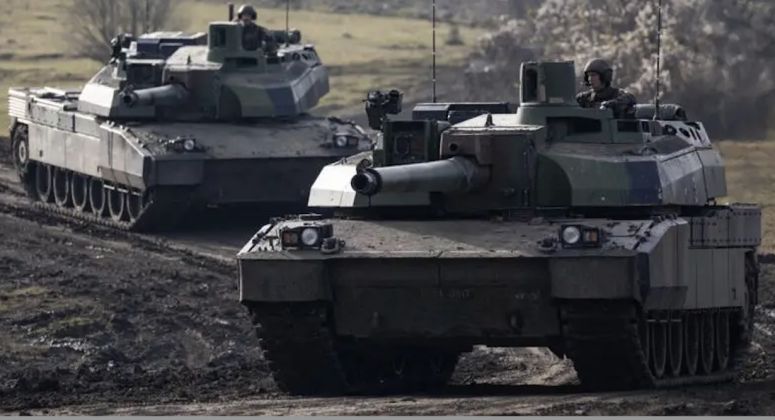
Leclerc Tank
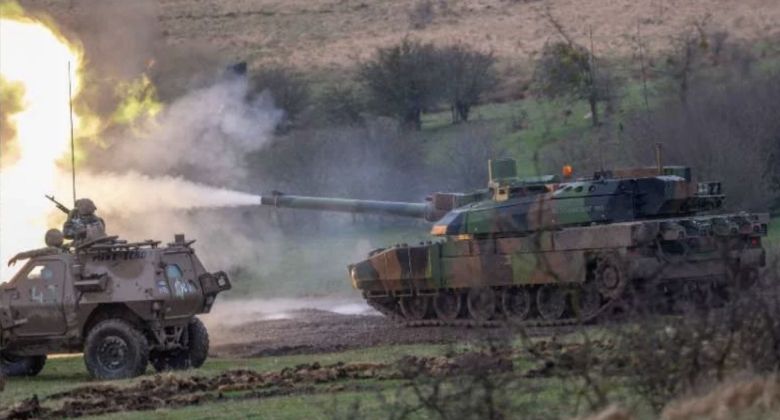
The French Army has deployed Leclerc main battle tanks for live fire exercises in Romania, alongside French and Polish infantry units. The exercises have occurred as the United States has recently bolstered its presence in Romania with the deployment of M1A2 Abrams main battle tanks and AH-64E Apache attack helicopters, and at a time of high tensions between Russia and NATO due primarily to the ongoing war effort across Romania’s eastern border in Ukraine. The exercises illustrated the latest stage in the operational development of the French-led multinational battlegroup in Romania, and demonstrated a combined-arms approach intended to improve battlefield coordination, combat readiness and interoperability between various NATO members’ forces.
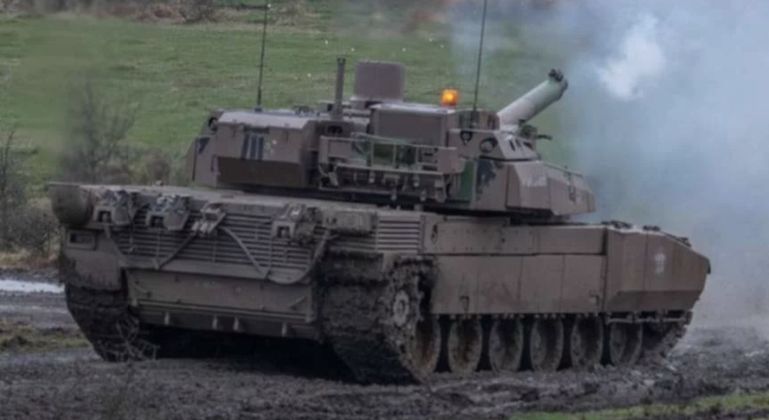
Entering service from 1992, the Leclerc is one of just two post-Cold War Western tanks designs alongside the often problematic British Challenger 2, and is the only Western-produced tank with an autoloader and reduced crew requirement from four to three personnel. The Leclerc is notably considerably lighter than other Western tank designs of its generation at approximately 56 tonnes, compared to 70-80 tonnes form the U.S. Abrams and German Leopard 2. Despite its limited armour protection and its age, the Leclerc is among the most expensive tanks ever built at closet $20 million per vehicle, with its lack of significant exports meaning it has a very small spare parts ecosystem and has not benefitted from significant incremental upgrades seen on rival tank types. Its capabilities have increasingly been left behind by new fourth generation tank types, most notably the Chinese Type 100 operationalised in 2025, but also the U.S. M1E3 which is scheduled to enter service in the early 2030s, and the Russian T-14 which has for years been delayed at advanced prototype stages.
French officials have been among the most vocal regarding the possibility of a major escalation in the country’s operations against Russia in the Ukrainian theatre, with French Land Forces Commander General Pierre Schill having in October pledged that the country would be ready to do so in 2026 if required. This follows a statement by French chief of the General Staff Fabien Mandon that forces troops should be ready for a combat engagements in three to four years to face an emerging “Russian threat.” Although European states have been divided over the possible large scale deployment of ground forces in Ukraine, this option gained growing support from countries across the continent from early 2024 as Ukraine’s military position deteriorated. The possibility of a mass diversion of U.S. armaments to the Middle East for operations against Iran and its strategic partners, and of a major collapse in European economies, all further undermining the Ukrainian war effort, may lead European states to further support possible escalation.
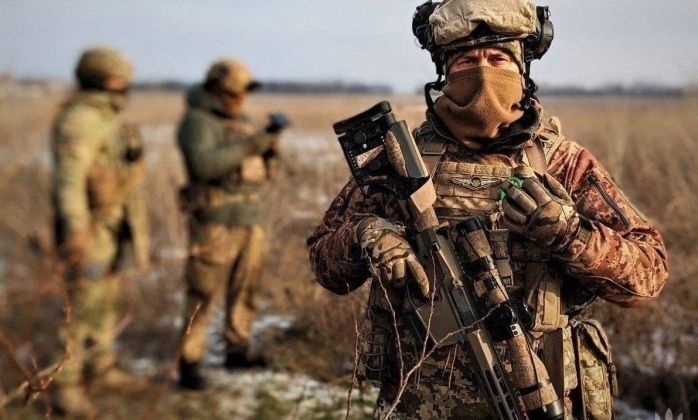
Western advisors, logisticians, combatants, and other personnel operating newly delivered NATO-standard hardware have played a central and growing role in the Ukrainian war effort, with French contractor personnel widely reported to be heavily involved in operations. These operations gained particularly high attention after a missile strike on January 16, 2024, targeted the headquarters of predominantly French European contractors, causing at least 80 casualties 60 or more of which were killed. These personnel were reported by Russian state source to be “highly trained specialists who work on specific weapons systems too complex for the average Ukrainian conscripts,” which “put some of the most lethal and long-range weapons in the Ukrainian arsenal out of service until more specialists are found” to replace them. While France’s air and ground forces are highly constrained in their ability to escalate the war effort against Russia, the French nuclear umbrella could prove to be a pivotal factor should flag-bearing NATO forces enter the war in force.
