
France and Britain Conduct First Joint Airborne Nuclear Strikes as Tensions with Russia Escalate
Military Watch Magazine Editorial Staff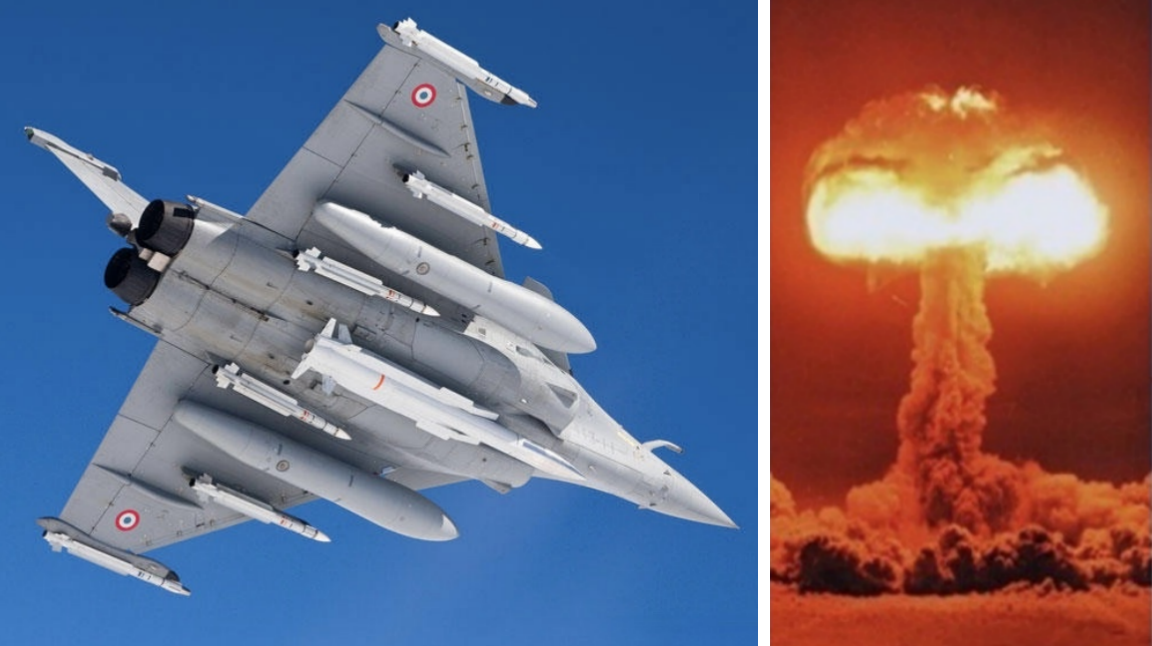
Rafale with ASMP-A Nuclear Missile (left) and Nuclear Explosion
France and the United Kingdom have conducted their first joint airborne nuclear strike exercise, with British Royal Air Force Eurofighters escorting French Rafale fighters during a simulated nuclear strike mission over the Mediterranean Sea. The exercise, codenamed RUMMY, took place on the evening of October 20, with the French aircraft departing Saint-Dizier Air Base in northeastern France. Announced by the two countries on October 23, the drill has been portrayed by local media outlets as marking a new stage in Franco-British cooperation on nuclear deterrence. The drill follows the Northwood Declaration, signed by French President Emmanuel Macron and British Prime Minister Keir Starmer in July 2025, which established a framework for deeper nuclear cooperation.
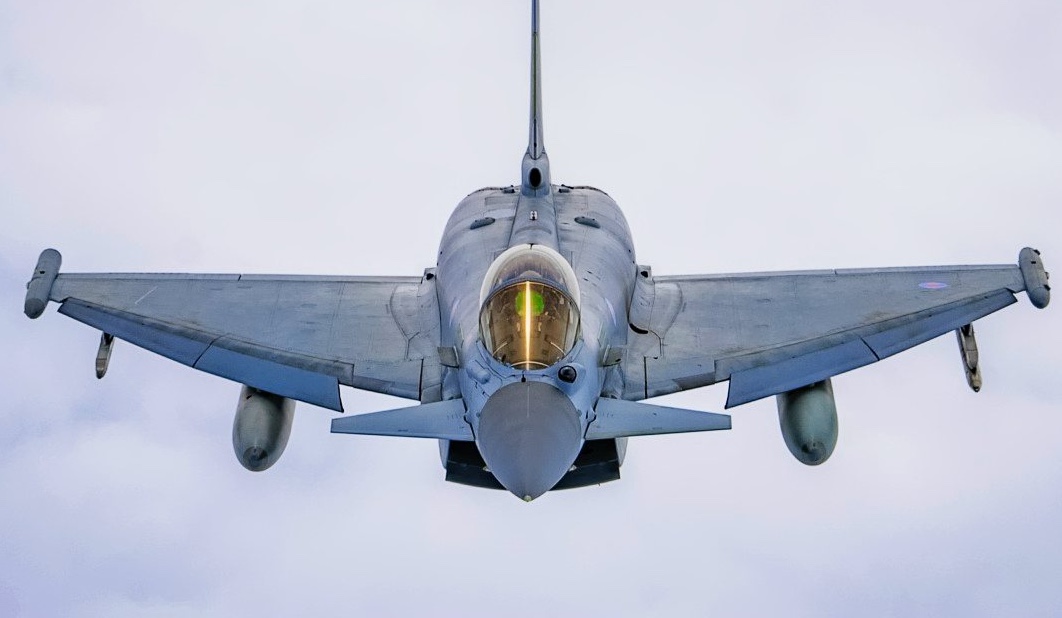
While French Rafales operated by the Strategic Air Forces (FAS) are capable of carrying nuclear-armed air-launched missiles, the British Armed Forces currently lack such a capability. The British Royal Air Force is scheduled to re-establish an ability to launch tactical nuclear strikes in the mid-2030s through the procurement of American F-35A fighters, and through a nuclear sharing agreement with the United States. This will fall far short of France’s fully indigenous capability, although the F-35 is a considerably more advanced and capable aircraft than either the Rafale or the Eurofighter and is the sole fifth generation fighter type in production in the Western world.
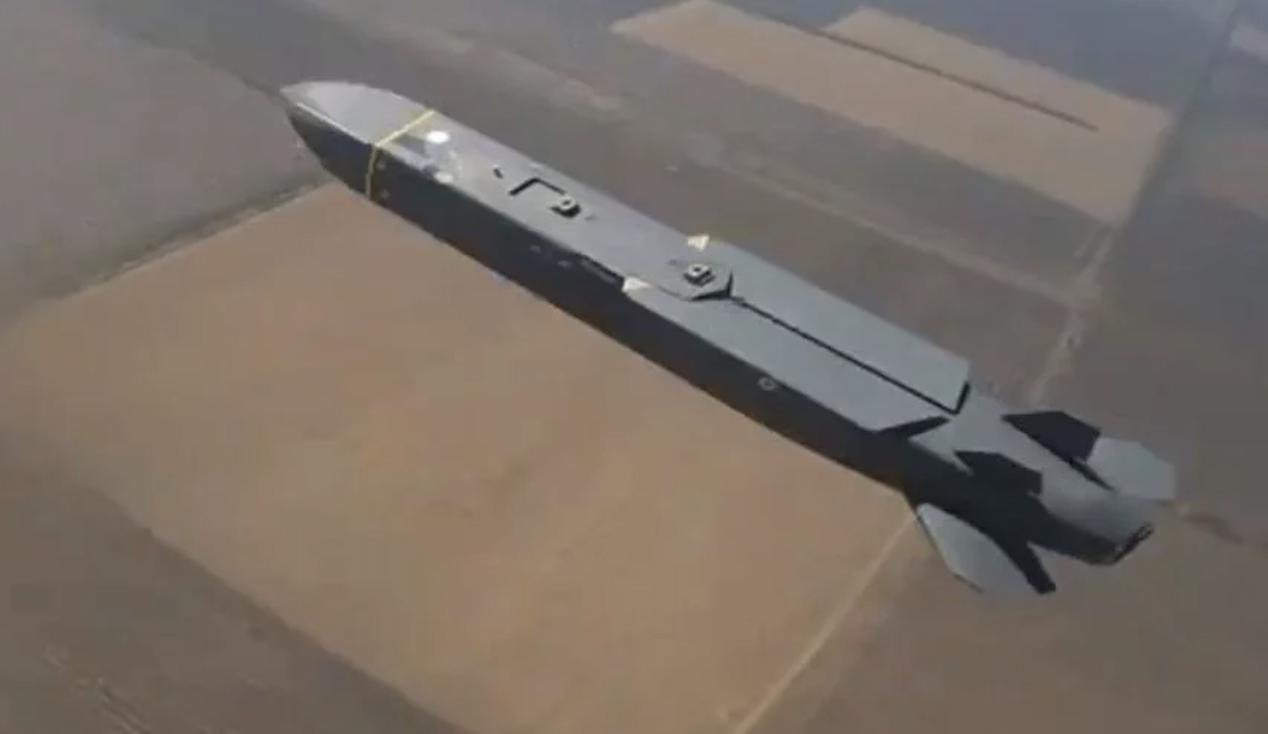
The latest exercises has occurred at a time when French is escalating efforts to expand European participation in nuclear deterrence. In March 2026, President Macron outlined a policy of forward deterrence, offering European partners greater involvement through strategic consultations, joint exercises and the possible temporary deployment of French nuclear-capable aircraft to their territory. This occurred in the context of escalating tensions with Russia, and deep involvement of NATO members including France and the United Kingdom in the Russian-Ukrainian War, including with personnel deployments. France has moved to expand Rafale procurements, while showing no sign of being able to procure post-fourth generation fighter types within the next two decades, with a growing potion of Rafales in service shielded to be assigned to nuclear-armed squadrons.
