Footage Shows Ukrainian T-64 Tanks Destroyed on Frontlines
Military Watch Magazine Editorial Staff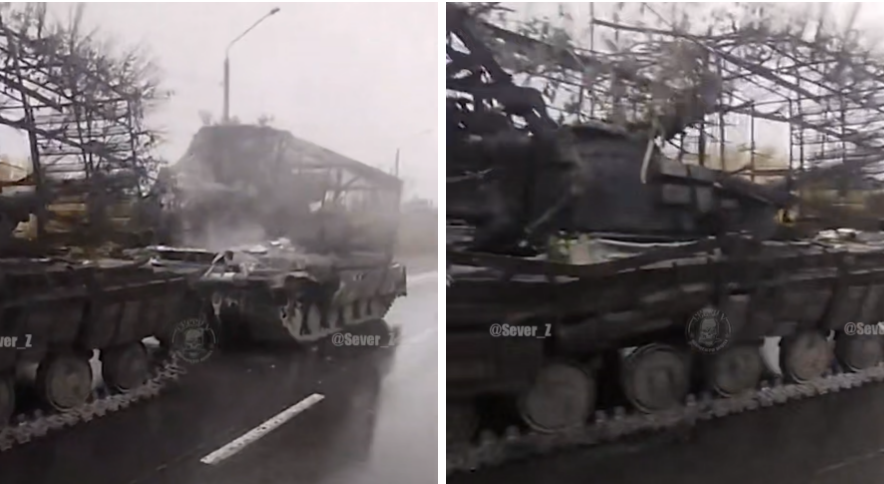
Ukrainian T-64 Tanks Destroyed on Frontlines
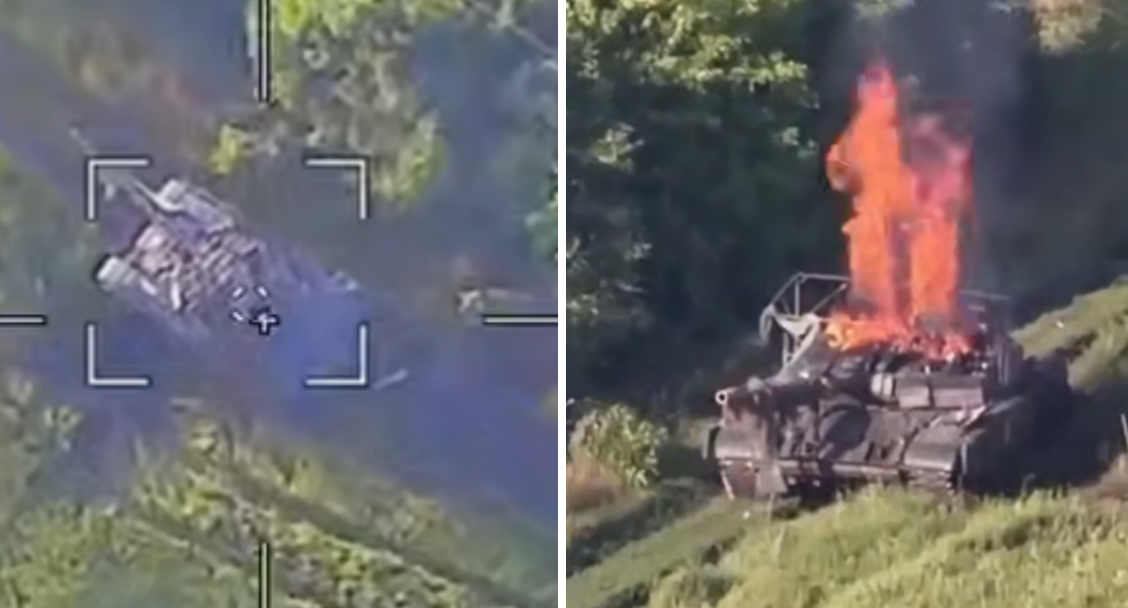
Footage circulating online on October 25 has shown the destruction of Ukrainian T-64 main battle tanks during combat operations. The video was reportedly filmed by Russian forces, although details concerning the precise location, circumstances of the engagement and unit responsible for the tank’s destruction have not been independently established. The T-64 has remained a central component of Ukraine’s tank fleet since the country inherited large numbers of the vehicles following the disintegration of the Soviet Union in 1991. Originally developed at the Kharkiv Design Bureau, the tank was prized for its lower maintenance needs and operational costs than the more advanced T-80, and for its higher mobility than the newer but much cheaper T-72. Although T-64s formed the backbone of the Ukrainian fleet up to 2022, considerable attrition has resulted in the T-72 now playing a more prominent role as these have been donated from abroad on a large scale.
Ukrainain Army personnel have repeatedly stated that they have been forced to operate tanks further from the frontlines due to their vulnerability to Russian strikes. While this particularly applies to Western tanks such as the U.S. M1 Abrams, due to their much larger profiles and higher crew requirements, it also applies to a certain extent to tanks like the T-64 which are much easier to conceal. Although the fleet is largely obsolete, the limited number of tank-on-tank engagements in the Ukrainain theatres, and the emphasis both sides have placed on using tanks for infantry support, has allowed the T-64 to play a significant role in the conflict. The T-64’s high maintenance needs are thought to have contributed to the Ukrainian Army’s difficulties with availability. As revealed by Ukrainian armoured warfare specialist Mykola Salamakha, currently only a third, and in some cases just a fifth, of the Army’s tanks are considered combat-ready.