
Firebirds on Woody Island; China Reinforces South China Sea Bases with New J-10 Fighters
Military Watch Magazine Editorial Staff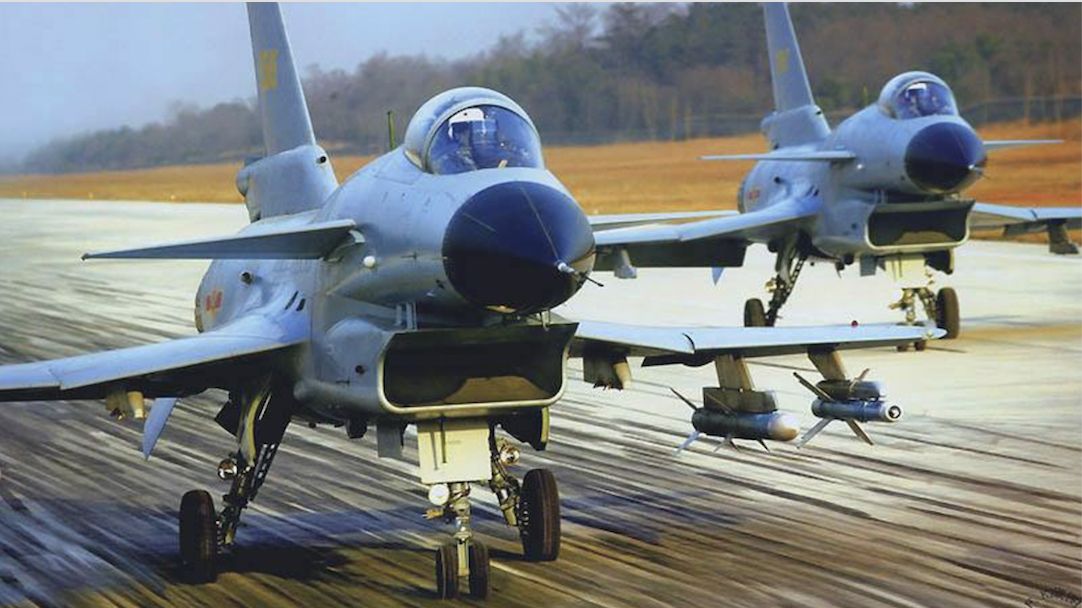
Chinese J-10 Single Engine Multirole Fighters
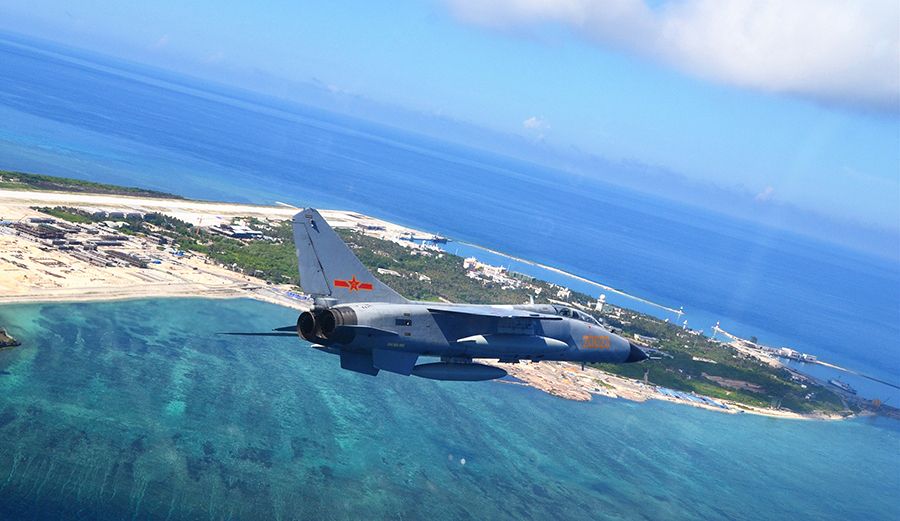
China’s People’s Liberation Army (PLA) has reportedly deployed J-10 ‘Firebird’ fighter jets to an airfield on Woody Island in the South China Sea’s disputed Parcel archipelago. The PLA has deployed a number of combat jets to the territory in the past, including JH-7 strike fighters and J-11B air superiority fighters alongside ground based missile defences. The most prominent missile systems deployed in early 2018 included the HQ-9B surface to air missile system - a platform with an estimated 250km engagement range and hypersonic anti aircraft and anti missile capabilities, and the YJ-12 anti ship cruise missile with a formidable 400km range and Mach 4 impact speed. China’s armed forces also deployed H-6K heavy bombers to the territory in May 2018 - marking the first time that such heavyweight long ranged combat jets had been stationed there. Bases on the Parcel archipelago are considered to be on the frontlines of any potential future conflict with the U.S. or the Western Bloc - which have increased their military presence in the region since the early 2010s and frequently sailed warships through and flown warplanes over Chinese claimed waters.
The J-10 was developed as a lighter and less costly counterpart to the J-11, and makes use of the same WS-10 turbofan engine. 15 battalions of J-10 fighters are currently in service with the PLA - 14 with the Air Force and one with the Navy. It is as of yet unclear which variant of the J-10 has been deployed to Woody Island, but should the fighter come from one of the PLA’s 2-3 battalions of J-10C fighters they would provide a number of new capabilities to the air contingent there. Deployment of the J-10C would represent the first deployment of fighters from the PLA Air Force’s new generation of combat jets to bases in the South China Sea, and the aircraft field a number of next generation capabilities which would provide an effective complement to the defensive systems already present. The J-10C first entered service in April 2018, and benefits from integration of state of the art electronic warfare and avionics systems, access to new longer ranged munitions such as the PL-15 air to air missile, and new sensors including a more powerful active electronically scanned array (AESA) radar, among other enhancements over the original J-10 design. The PL-15 retains a 50% longer range than the PL-12 currently deployed by the J-11B, and its ability to engage enemy aircraft up to 150km away provides it with a consdiealobe range advantage over all fighters currently deployed by the U.S. Navy and Air Force other than the F-22 Raptor - all of which deploy rely on the AIM-120C with a range of approximately 100km. Whether the J-10 will be followed by further deployments of new combat jets - possibly the J-16 strike fighter or J-11D air superiority fighter - remains to be seen.
