
F-35’s Overheating Caused By Brake System Issues Force Major New Expenditures
Military Watch Magazine Editorial Staff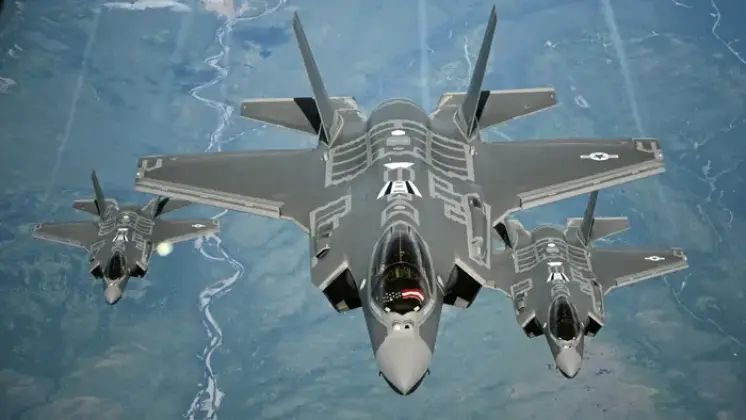
F-35B Fighters
The United States Department of War has signed a $100 million contract with the country’s largest defence contractor, Lockheed Martin, to address a serious thermal management issue affecting the F-35 fighter’s braking system. The contract covers the supply of 1,459 new brake assembly heat sinks for the aircraft, following findings that excessive heat generated during braking can spread into nearby avionics wiring and sensors, damaging components and forcing aircraft into lengthy depot-level maintenance. It is thus expected to help address issues with the aircraft’s low availability rates. The contract covers both the F-35A conventional variant and the F-35B short takeoff and vertical landing variant, with deliveries planned through 2030.
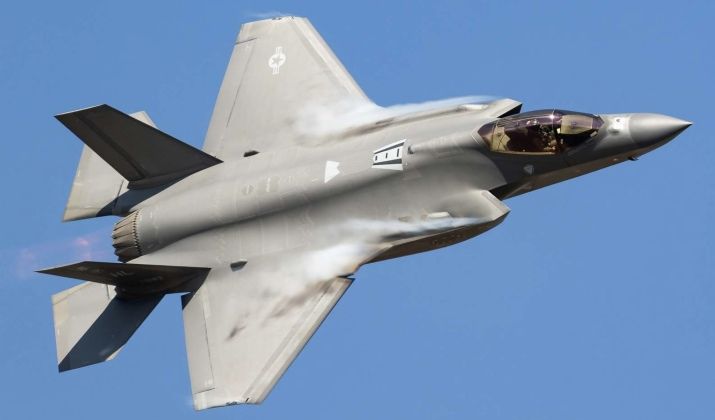
Rather than a routine spare-parts purchase, the new contract represents a response to an identified technical problem affecting fleet readiness. The F-35’s advanced electronics and tightly packed internal architecture has made thermal management particularly challenging. Heat produced by the aircraft’s engine, sensors, electronic warfare systems, and braking assemblies must all be controlled within a compact stealth-optimized airframe. As the aircraft undergoes more demanding operations and receives new Block 4 upgrades, the strain on its cooling systems has continued to grow. In 2023 it was confirmed that the aircraft’s F135 engines would cost the Pentagon $38 billion dollars in unexpected maintenance costs over the fleet’s lifetime. The department of war has already financed the development of a new engine in response.
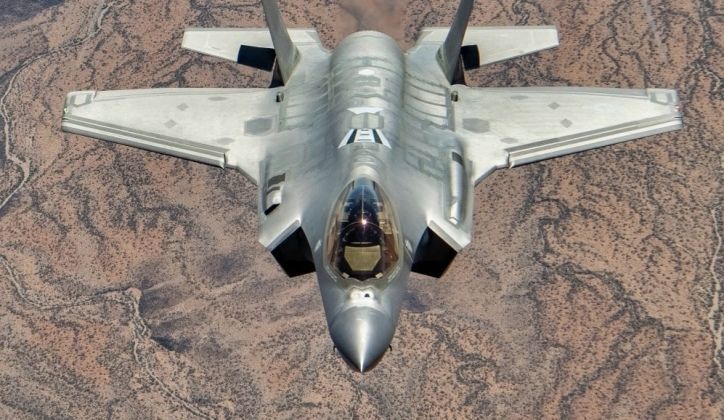
The issue with the F-35’s braking systems highlights broader longstanding challenges affecting the program, namely issues with sustainment and reliability. Recurring thermal management issues demonstrate how even relatively mundane subsystems such as brakes can become major operational problems when integrated into a highly complex stealth fighter design. Aside from issues stemming from insufficient cooling capabilities, the F135 engine’s outstandingly low availability rates and excessive maintenance needs have nevertheless continued to ground F-35s at six times the standard rate of other fighter types. Pentagon officials have highlighted issues with the F135’s power module as a key cause for the fighter’s low mission capable rates.
