F-15K ‘Slam Eagle’ Long Range Strike Fighters Scrambled in South Korea to Intercept Russian Bombers
Military Watch Magazine Editorial Staff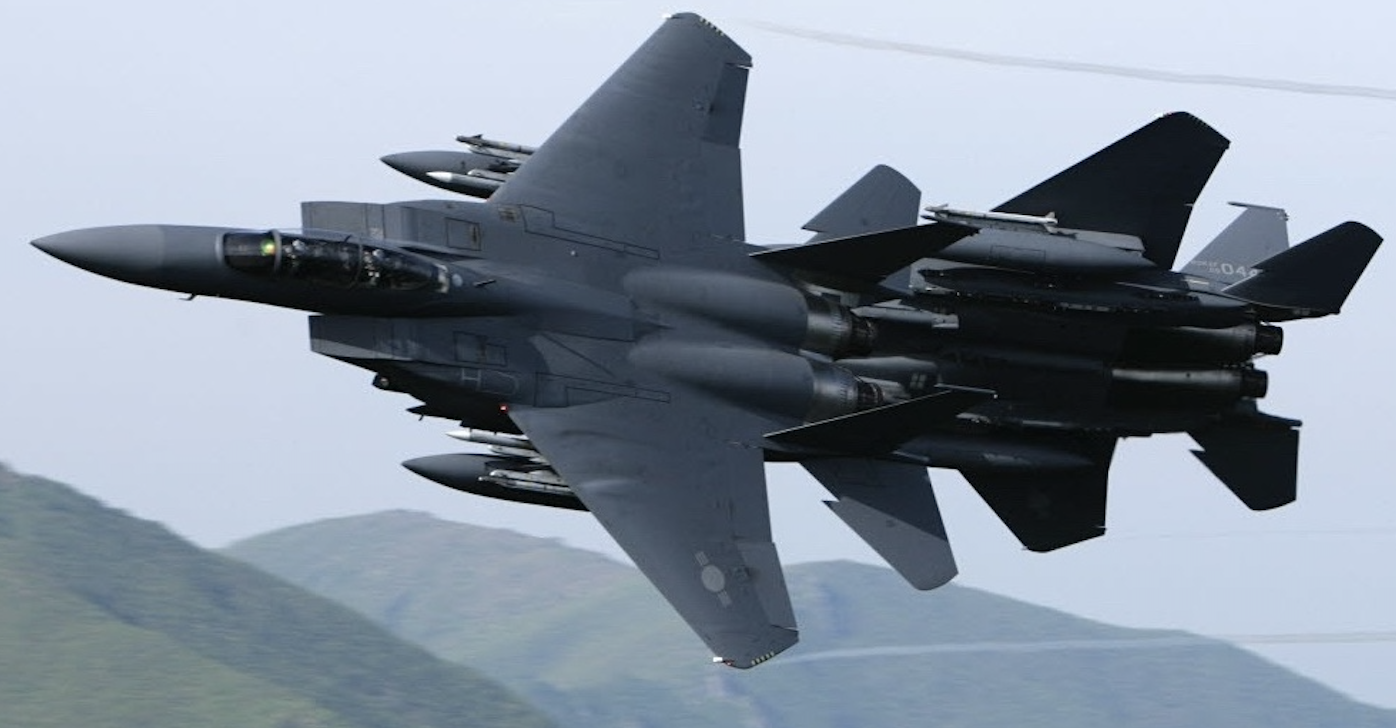
F-15K Slam Eagle Strike Fighters
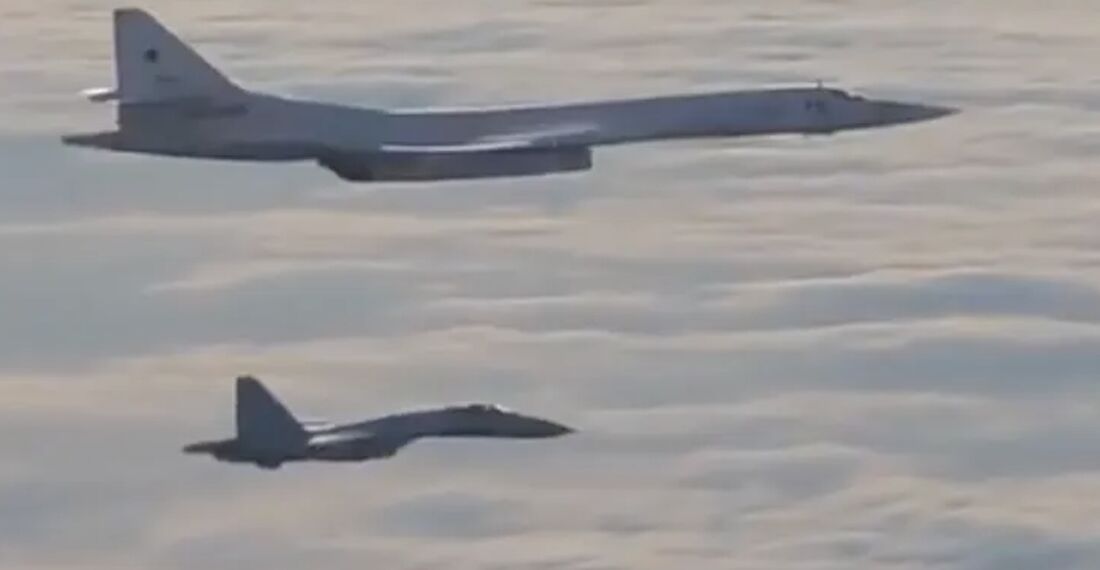
The Republic of Korea Air Force on November 24 scrambled F-15K Slam Eagle long range fighters after Russian military aircraft entered the Korea Air Defence Identification Zone (KADIZ) over the East Sea and flew close to Ulleung Island. The Russian Ministry of Defence described the flight as a planned patrol over international waters, and that two Tu-160 strategic bombers were escorted by Su-35S and Su-30SM fighters during a mission lasting about ten hours. South Korean reporting said the bombers came within roughly 24 kilometres of Ulleung Island, approaching the island’s airspace before turning away. Russia’s statement did not describe the encounter as an attempt to enter South Korean airspace, although South Korean government sources reported that its aircraft were scrambled to monitor the formation and prepare for possible contingencies.
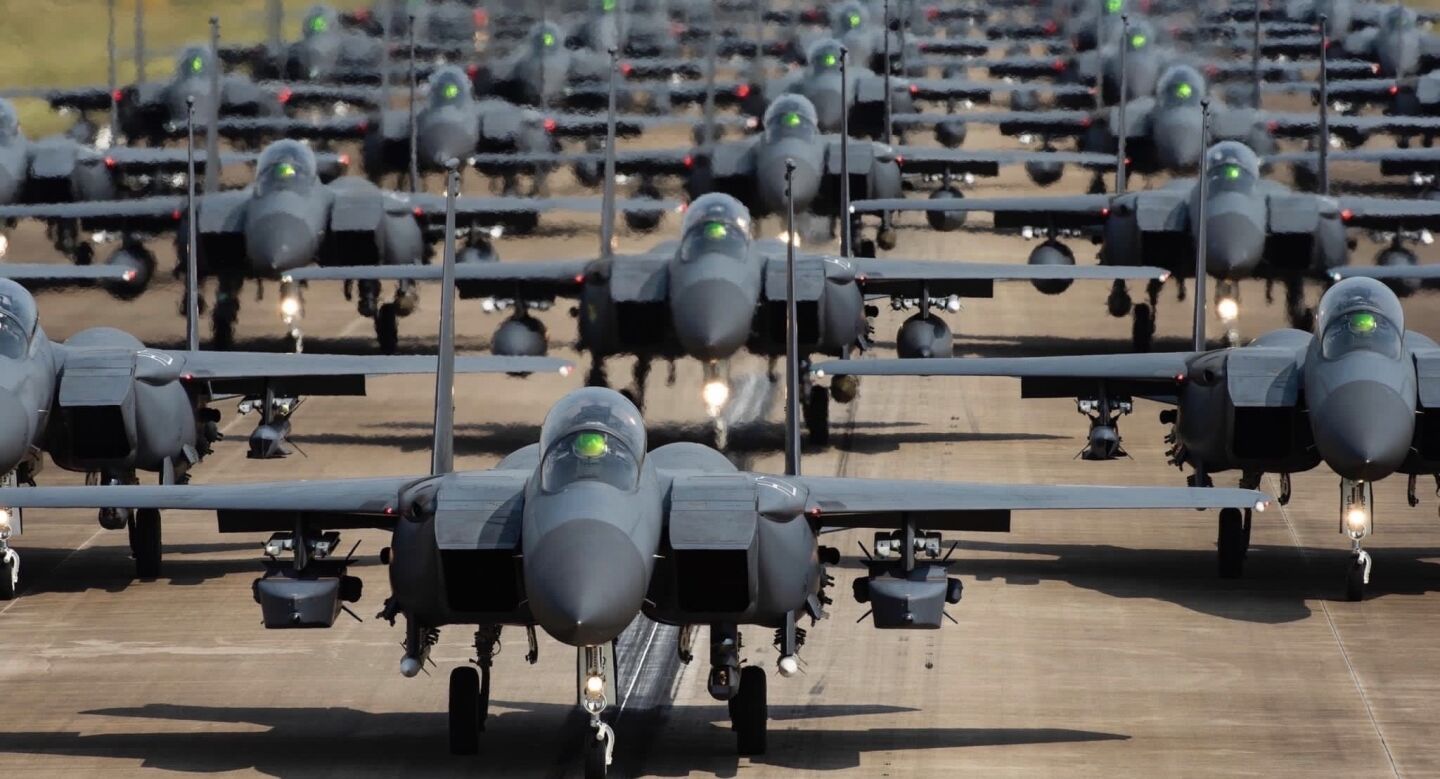
The F-15K is a South Korean version of the two-seat F-15E Strike Eagle, a derivative of the F-15 air superiority fighter heavily modified to be able to undertake long range strike operations. The Slam Eagle was developed in the early 2000s and heavily customised to meet South Korean requirements, with local industry having been responsible for 40 percent of production and 25 percent of assembly, including production of the aircraft’s wings and fuselage. Key subsystems including the electronic jammer and radar warning receiver were also developed locally. Although much shorter ranged than the Russian Su-30SM, Su-35 and Su-57 fighters that escorted the Tu-160 bombers during their patrol, the the F-15 still has by far the longest range of any fighter type in the Western world.
Due to ongoing issues with the F-35 and delays modernising the aircraft to the Block 4 standard, the F-15K has remained in many respects the most capable fighter type in South Korean service. The aircraft are nevertheless significantly outmatched by modern Russian fighters like the Su-35, with their continued reliance on mechanically scanned array AN/APG-70 radars being a leading shortcoming that has limited situational awareness and left the vulnerable to jamming. Boeing was in January awarded a contract valued at up to $2.81 billion to upgrade the aircraft, which is expected to include integration of many of the same subsystems developed for the new F-15EX fighter including the AN/APG-82(V)1 or APG-82(V)X active electronically scanned array radar. This is expected to significantly narrow the gap in performance with the latest Russian fighter types.