
F-15EX Procurements Surging By 32 Percent: Why the U.S. Air Force Needs More Heavyweight Long Range Fighters
Military Watch Magazine Editorial Staff
F-15EX Carrying 12 AIM-120 Missiles During Pre-Flight Checks
USAF
The U.S. Air Force is significantly increasing planned procurements of F-15EX fighter aircraft, with the Fiscal Year 2026 budget proposal laying out plans to increase the intended fleet size from 98 to 129 of the aircraft. Alongside a halving of procurements of F-35A fifth generation fighters, and a surge in funding for the sixth generation F-47, the budget proposes setting aside $3 billion for the F-15EX, although supply chain issues have contributed to delays in bringing more F-15s into service. The release of the budget follows confirmation from the F-15’s primary contractor Boeing that production of the F-15EX is being intensified, and that due to improvements in factory performance the firm is on track to achieve a steady delivery rate of two aircraft per month by the end of 2026. It also occurred less than two months after President Donald Trump made the surprise announcement that Michigan Air National Guard A-10 ground attack jets, which are much less versatile, lighter and shorter ranged aircraft, will be replaced by the costly F-15s.
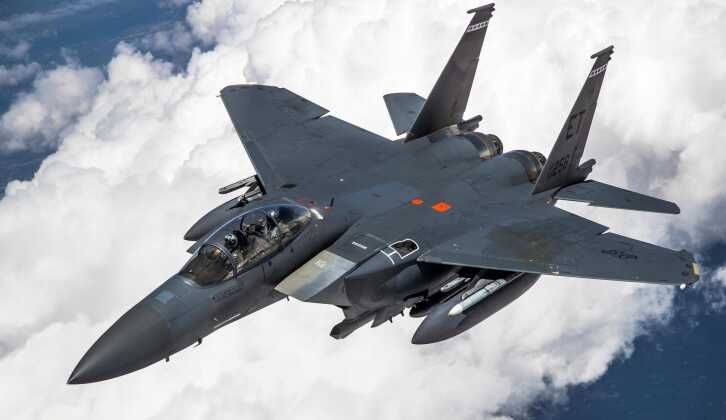
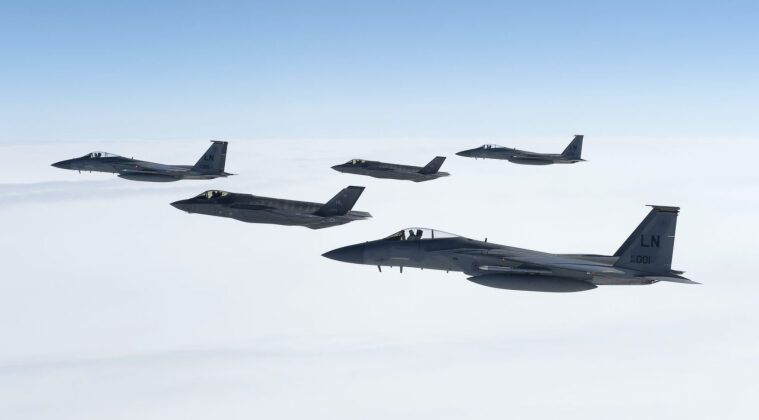
Senior Air Force officers have long advocated expanded orders for the F-15EX, with an example being the observation by commander of the Air National Guard Lieutenant General Michael Loh in 2022 that although “some people are still looking at this as a 1970s-technology aircraft,” incremental modernisation had made it truly cutting edge. Notable examples he highlighted among its avionics systems included its open mission system architecture, electronic warfare suite and the AN/APG-82 radar. The F-15EX’s importance is a result not only of the urgency of phasing out ageing Cold War era variants of the F-15, but also due to the fighter’s significant advantages over others in production in the Western world in areas including situational awareness, range, flight performance and weapons carrying capacity, which are particularly vital during operations over the vast Pacific theatre. With the F-35, and moreso the F-22, having far shorter ranges than their programs initially intended, while the new heavy and long range F-47 appears likely to face significant delays and cost over four times as much as the F-35 or F-15, the F-15EX is the only long range fighter that will be available possibly for over a decade to come. Even after the F-47 enters service, the F-15EX will likely be far more cost effective for missions such as long range cruise missile strikes, anti-drone duties, and air-to-air combat against less capable adversaries.
