
Escalation in Idlib: Russian Strike Fighters Pound Turkish Backed Jihadists to Cover Syrian Allies
Military Watch Magazine Editorial Staff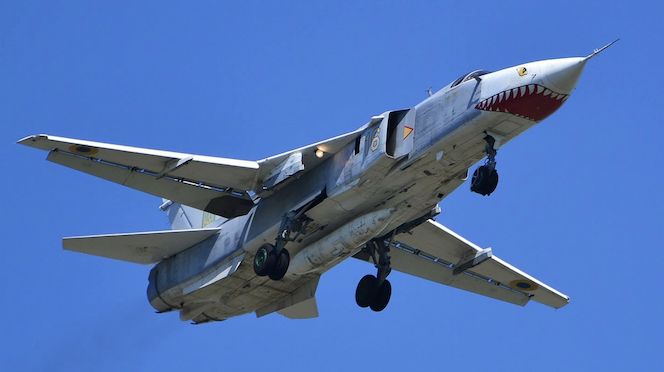
Su-24 Strike Fighter
The Russian Defense Ministry has announced that the Air Force launched strikes on the positions of jihadists militants in Syria’s Idlib province, which were carried out to support an ongoing campaign by the Syrian Arab Army to restore the area to Damascus’ control. Idlib remains the final major stronghold of Al Qaeda linked militias in the country, and following the shelling of Syrian settlements including its second city Aleppo by these militants in January Syrian forces launched a counterattack which has pushed deep into jihadist held territory. While Russia has provided support for Syrian forces against such militants in the past, and its special forces and advisors are reported to have aided the Syrian campaign which commenced in January, this is the first confirmed incident of direct involvement.
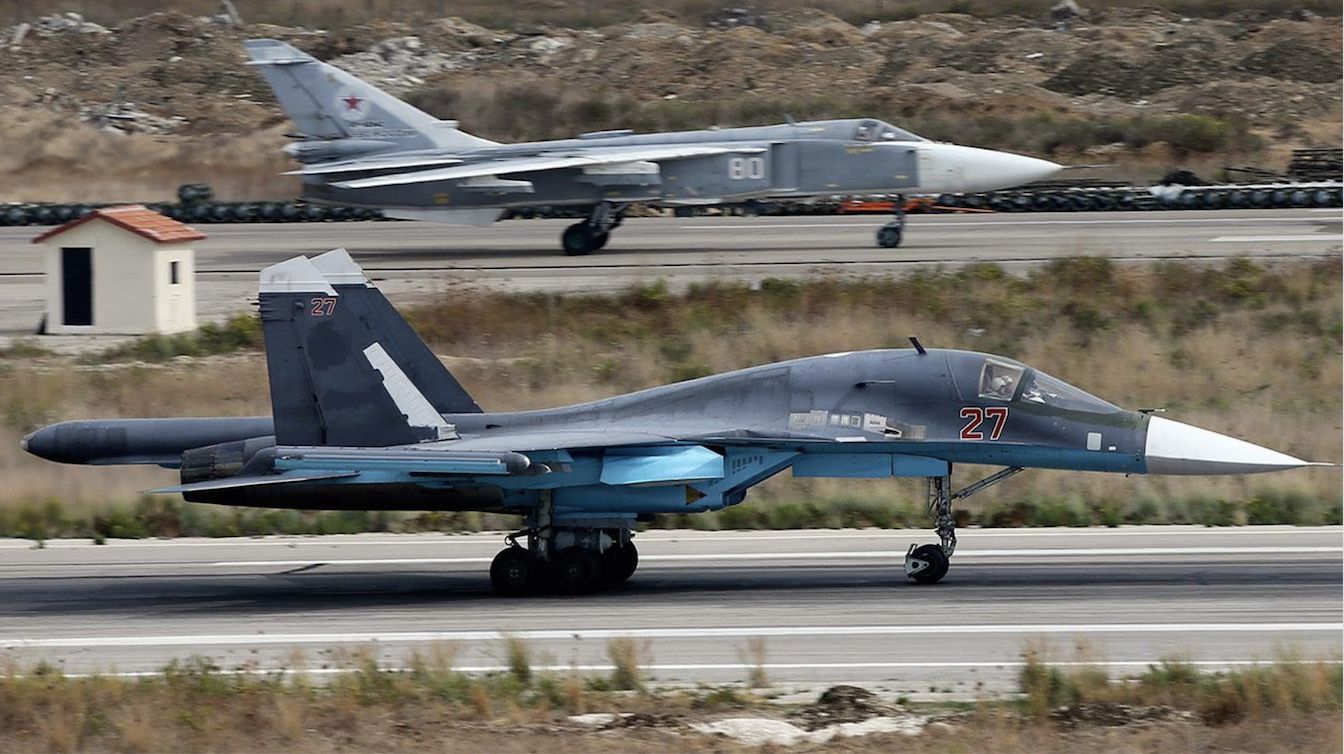
Russian Su-34 strike fighters previously struck targets in Idlib province in 2018 - with militants based there coming from a range of areas including Central Asia, western China and Russia itself. Idlib has been referred to in American reports as the largest Al Qaeda stronghold since 2001, and militants based there have continued to receive massive material support from neighbouring Turkey. Turkish forces have been deployed to Idlib and have provided cover to militants based there in the past - including the intervention of Turkish air units against Syrian forces. In September Turkish F-16s violating Syrian airspace were reportedly intercepted by Russian Su-35 fighters based in the country to prevent them from attacking Syrian units.
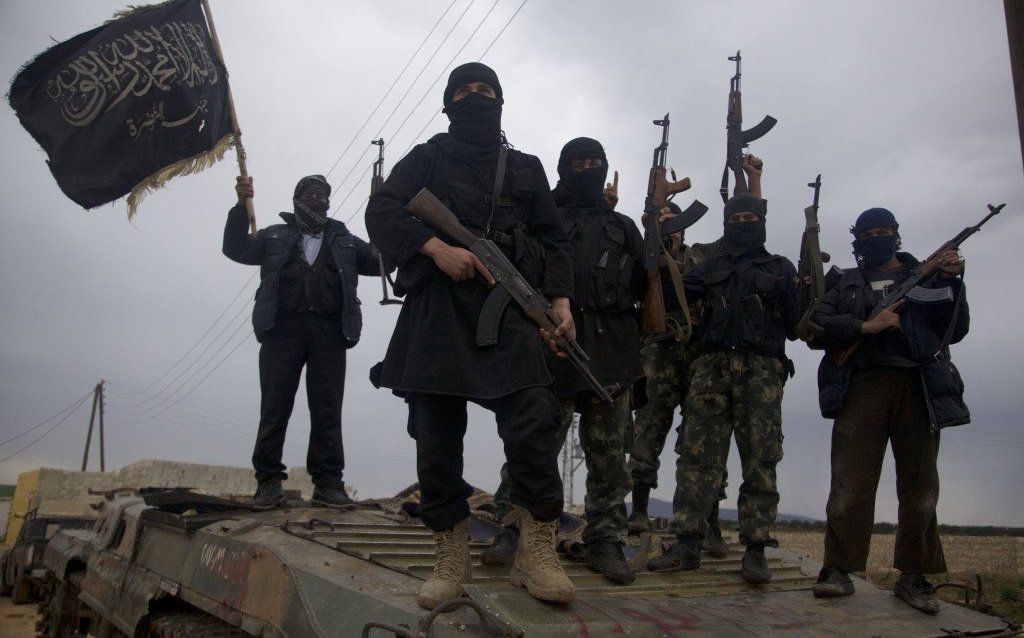
Russian strikes on jihadist targets in Idlib were reportedly carried out at the request of the Syrian Arab Army to blunt an offensive by Al Qaeda linked militants, which was reputedly being carried out with armoured units including battle tanks. Aerial footage published by the Russian Defense Ministry showed Turkish mobile artillery units shelling the Syrian Army positions at the time - with the Turkish Army actively participating in clashes on the side of the jihadists and against Syrian forces. It was reported shortly after the Russian strike that Turkish forces in Syria had suffered at least seven casualties from the attack. As Turkey’s intervention against Syrian forces becomes more heavily handed, and Anakara threatens to increase its military presence on Syrian territory, Russia’s intervention to protect its ally are likely to increase both as a deterrent to further Turkish violations of Syrian territory and to compensate for the very considerable assistance received by Turkish backed militants.
