
Denmark Converts to Fully Fifth Generation Fighter Fleet with Retirement of Obsolete F-16s
Military Watch Magazine Editorial Staff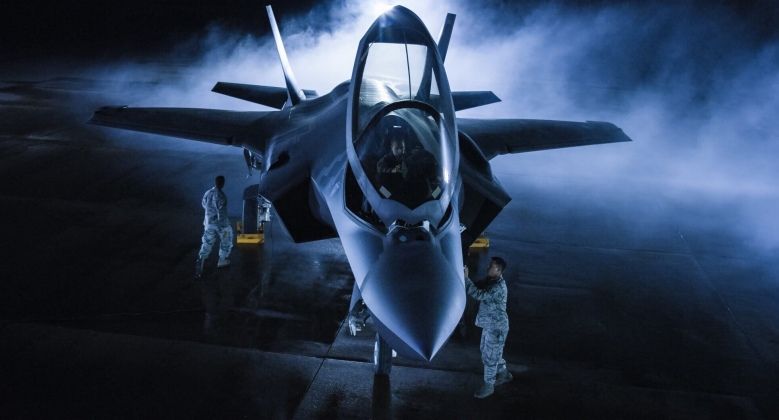
F-35A Fighter
The Royal Danish Air Force has become the third service in the world to field a fighter fleet fully comprised of fifth generation fighter aircraft, following the Royal Norwegian Air Force in 2022, and the Royal Netherlands Air Force in 2024. All three Northern European countries were partners in the F-35 program, and procured the F-35A to replace their small fleets of Cold War era F-16 fourth generation fighters. The retirement of the last Danish F-16s occurred on January 18, ending more than four decades of service. Significant delays to the development and production of the F-35 have forced operators across the world, including the U.S. Air Force, to maintain F-16s in service for far longer than previously planned, although Danish defence sources have reported that very high level maintenance allows the Cold War era fighters to continue functioning efficiently.
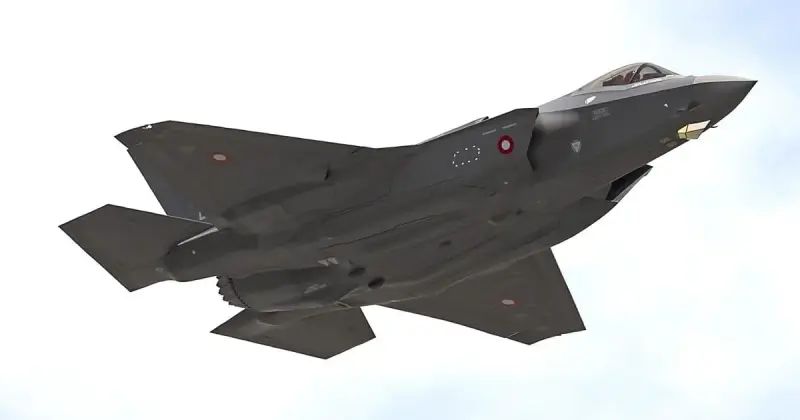
Danish F-16s have been involved in multiple Western operations targeting a wide range of adversaries, with their first combat seen during NATO’s assault on Yugoslavia under Operation Allied Force in 1999. The aircraft subsequently deployed to support counterinsurgency efforts in Afghanistan in 2002–03, following a U.S.-led invasion in 2001, and supported the NATO-led air assault against Libya under Operation Unified Protector in 2011. They were also deployed to support Operation Enduring Freedom in the Middle East in 2014–15 and again in 2016, which involved operations in both Iraqi and Syrian airspace, the latter without Syrian government permission which at times resulted in clashes with Syrian forces. The aircraft have also deployed to the Baltics for Air Policing operations near Russian territory.
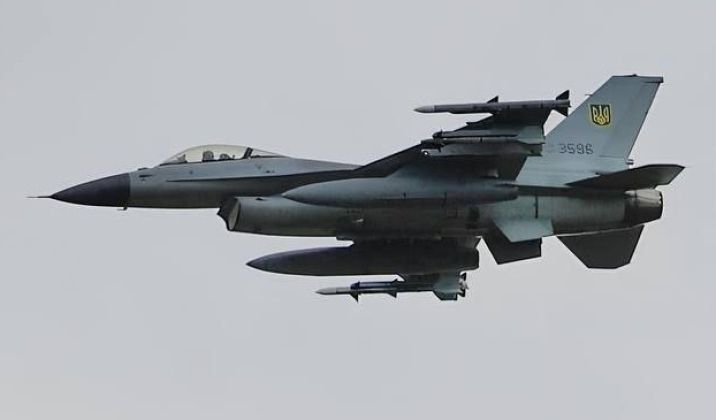
The Royal Danish Air Force fields one of the oldest F-16 fleets in the world, and placed orders for 77 F-16A/B Block 1/15 aircraft in two main batches from the late 1970s. Despite conservative modernisation efforts for 61 of these aircraft under the Mid-Life Update program, the F-16s have for decades been considered obsolete. As the Air Force has received F-35s, it has exported the Cold War era fighters to Argentina, while donating others to Ukraine. Danish Foreign Minister Lars Lokke Rasmussen in July 2024 confirmed that the Ukrainian Air Force would be able to use the F-16s donated by his country to strike targets across internationally recognised Russian territory, with the country being one of the first to make clear that it was not restricting how its aircraft could be used in the ongoing war effort. Their age, however, has significantly limited their utility against Russian forces.
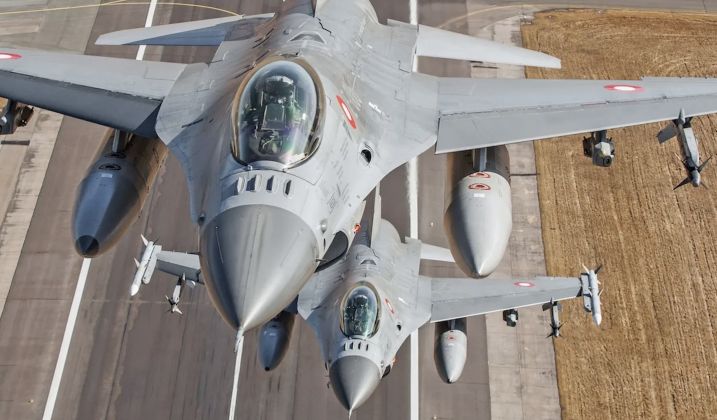
Denmark received significant pressure from the United States to increase orders for the F-35 in the late 2010s, with the U.S. ambassador Copenhagen Carla Sands stating in November 2019 regarding the European state’s planned acquisitions: “Some of the Danish [F-35A] planes stay in the United States, because Danish pilots will be trained in Arizona, and about 22 planes will come to Denmark. This is not many aircraft compared to the 38-40 F-16s you have today. It is actually a reduction in the number of aircraft, so Denmark should probably look into it.” The Defence Ministry subsequently increased orders from 27 to 43 aircraft. The F-35A has proven totally dominant on European markets, winning every tender in which it has competed against the F-18 and local European aircraft such as the Eurofighter, with clients consistently evaluating it to have overwhelming performance advantages.
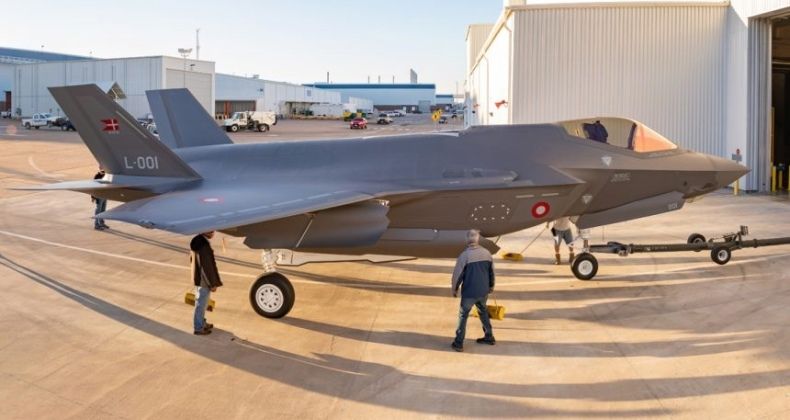
The obsolescence of Danish F-16s has made the transition to the F-35 particularly revolutionary, with a technological gap of over three decades between the aircraft providing the Royal Danish Air Force’s fighter fleet with a combat potential several times greater that it previously had. The F-35’s unique sensors have made it highly prized for operations in Europe, with the U.S. Air Force having deployed the aircraft to the continent to collect valuable electronic intelligence on Russian air defences in the Ukrainian theatre. This has led to what analysts have termed ‘duels in the electromagnetic spectrum’ between the fighters and Russian ground-based assets such as S-300 systems. The F-35’s stealth capabilities and electronic warfare systems are also particularly revolutionary, and are wholly outmatched in the region, with only the Chinese J-20 and J-35 considered fully peer level competitors in terms of performance and sophistication.
