
Why New Claims of Russian S-400 Air Defence Deliveries to North Korea Are Likely False
Military Watch Magazine Editorial Staff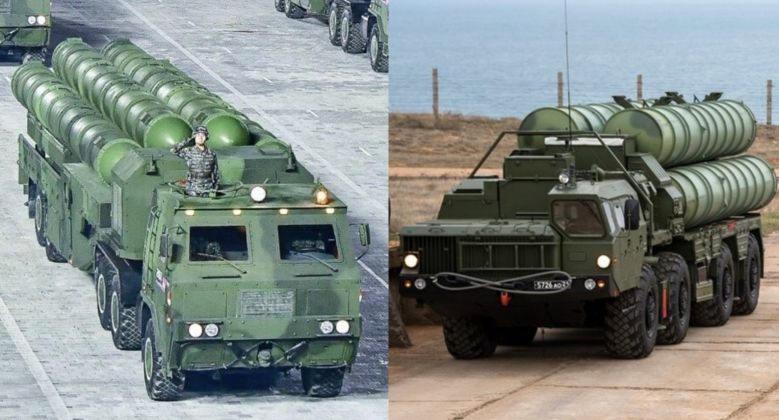
Missile Batteries From Pyongae-6 (left) and S-400
Following reports from South Korean government sources that Russia had provided North Korea with anti aircraft missiles and air defence equipment, there as been considerable speculation from a number of Western sources that Russia may have provided S-400 long range missile systems to the Korean People’s Army. These reports have often cited expert with the Korea Defense Network Lee Illwoo, who stated that this was the most likely system to have been provided. Despite this prevailing speculation, an assessment of the current positions of both states indicates that a transfer of S-400s is unlikely. Russia has been expected to exploit loopholes in the UN arms embargo on its neighbour to supply advanced military equipment, particularly after it effectively ignored the embargo to make massive acquisitions of North Korean artillery, ballistic missiles, munitions and other assets for its ongoing conflict with Ukraine and its Western supporters. Nevertheless, multiple factors make a transfer of S-400s, and major transfers of air defence systems in general, appear unlikely.
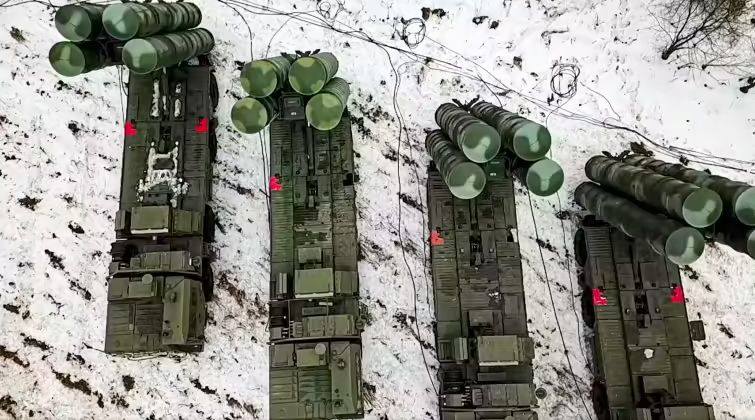
The first factor that makes the possibility of S-400 transfers minimal is that Russia has suffered from shortages of the systems. While the Russian Armed Forces currently field well over 30 regiments of the S-400s, and have benefited from a tremendously expanded scale of production in the 2010s with the opening of three major new facilities contributing to manufacturing, Russian defences have been placed under growing pressure from expanding deployments of Western Bloc combat aircraft, in particular F-35 fifth generation fighters, near its territory. The very limited deployments of fifth generation fighters by Russia itself, and relatively small size of the country’s fourth generation fighter and interceptor fleets, means S-400s are particularly heavily relied on to counter emerging threats. This and the fact that the S-400 has suffered from minor depletion in the Ukrainian theatre, primarily due to air defence duties, but also due to a small number of successful Ukrainian strikes, has further strained the inventory. This strain notably led Russia to delay the delivery of S-400 systems ordered by India by several months. It thus appears highly unlikely that Russia would send the systems to North Korea they are not only urgently needed by its own forces, but also on order by a paying client which has been awaiting deliveries since 2018.
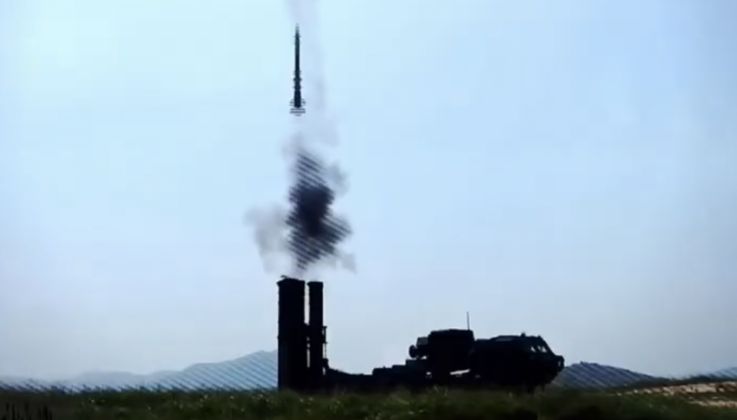
A second major factor which makes deliveries of S-400 air defence systems to North Korea appear unlikely is that the East Asian state has already developed its own long range air defence systems, with the most advanced of these the Pyongae-6 considered to have comparable capabilities and continuing to be modernised with new missiles. With the system’s predecessor the Pyongae-5 widely reported to have benefited from technology transfers from the Russian S-300PMU-1/2 series, it has been widely speculated that the more advanced Pyongae-6 benefits from S-400 technologies. Missiles deployed by the system benefit from twin rudder controls and double impulse flight engines, with North Korean state media reporting the “rapid responsiveness and guidance accuracy of [the] missile control system,” as well as a “substantial increase in the distance of downing air targets,” likely when compared to the Pyongae-5. With North Korea’s defence sector producing for the large majority of the requirements of the country’s armed forces, the need for Russian air defence systems remains limited.
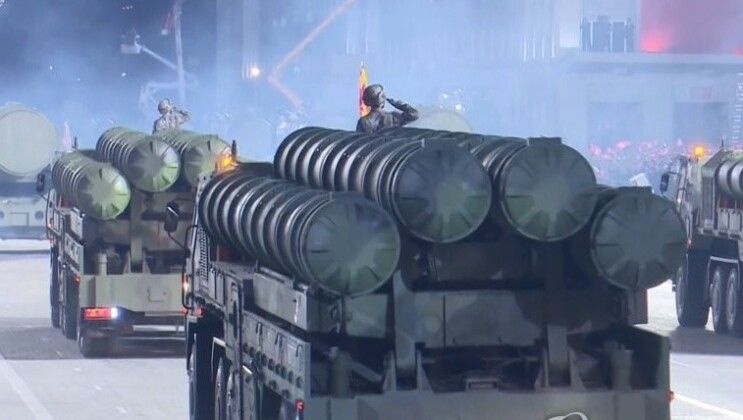
Reported transfers of Russian air defence systems could potentially include components from the S-400 or S-500 systems intended to be integrated into the North Korean network with the Pyongae-6. These could include various radar systems that complement those in North Korea’s arsenal, or possibly 40N6 surface to air missiles, which were integrated with Russia’s S-400s in the late 2010s have no known foreign equivalents. Having been combat tested in Ukraine from 2023, the missiles provide a 400 kilometre engagement range and the ability to strike low altitude targets over the horizon, using sensor data either from forward deployed air defence systems or from accompanying aircraft. Thus while neither Russia nor North Korea are likely to be interested in transfers of a complete S-400 system, the transfer of system components may be possible.
North Korean interest in Russia’s defence sector is expected to revolve primarily around technology transfers, which could accelerate its ongoing satellite and nuclear powered submarine programs among others, as well as interest in acquisitions of fighter aircraft which the country cannot produce domestically. The budding defence partnership between the two neighbours has fuelled speculation that North Korea will be a leading client for Russia’s new Su-57 fifth generation fighter, which was developed specifically to shore up gaps in air defence networks built around systems like the S-400 and Pyongae-6.
