Chinese Study Highlights Minor Stealth Coating Attrition Can Significantly Undermine Radar-Evading Capabilities
Military Watch Magazine Editorial Staff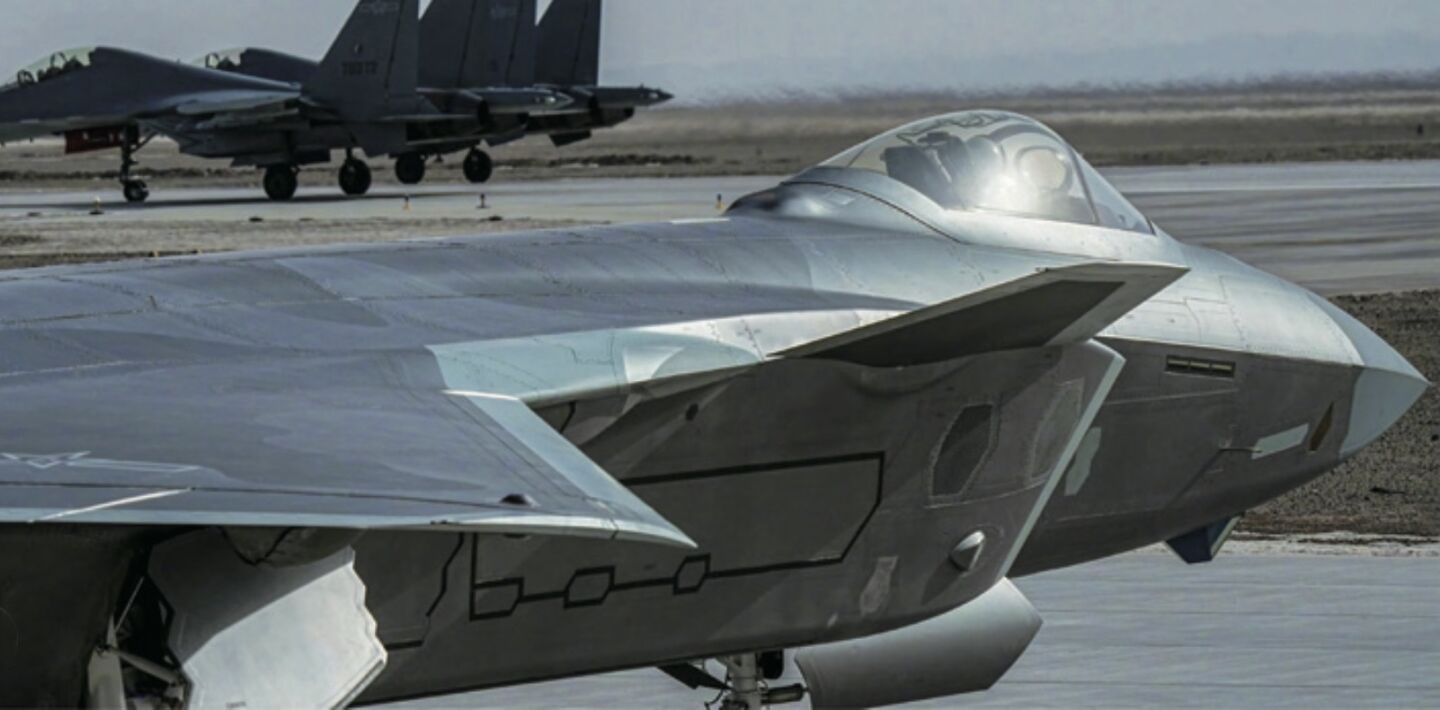
J-20 Fighter with J-16s in the Background
A Chinese laboratory study has found that losing just 10 percent of a radar-absorbing coating can nearly double the microwave power reflected by the material, highlighting the importance of maintaining the surface condition of stealth aircraft. The findings have been linked to China’s stealth fighter, bomber and drone programs, although the researchers did not test the aircraft’s operational coating or measure the radar cross-section of a complete aircraft. Instead, they examined how different forms of damage affected a sample coating under controlled conditions. This may have considerable implications for operations, as maintaining fighters with 100 percent stealth coating in wartime may not be viable in a major conflict, particularly at forward bases such as U.S. facilities in Japan where supply lines may be strained.

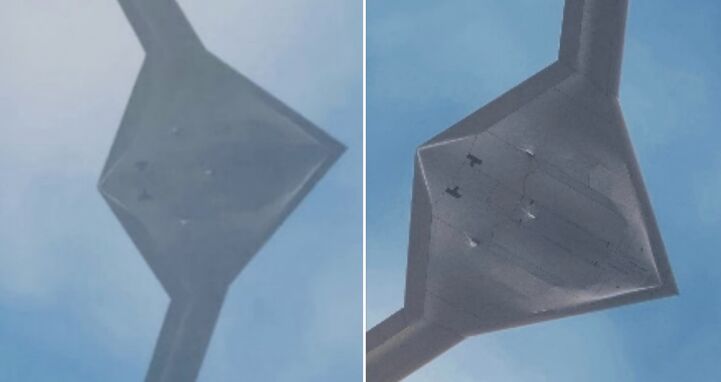
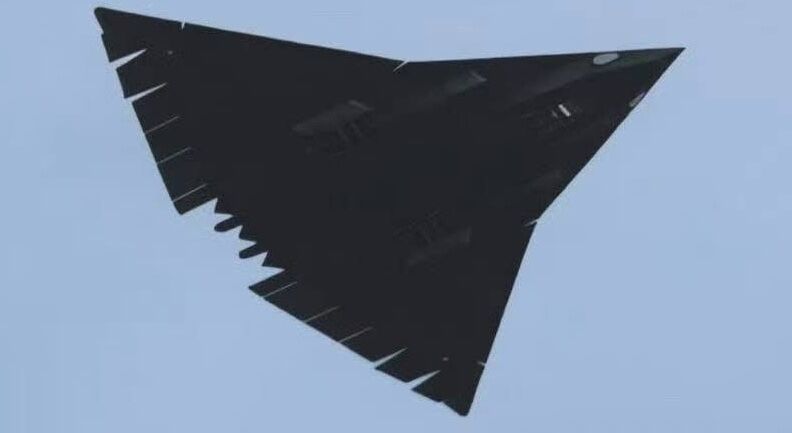
Offering insight into a maintenance challenge shared by stealth aircraft, and prompting discussion of surface wear, the study coincides with China’s development of significantly more types of advanced stealth aircraft than any other country. Two of the world’s four fifth generation fighters currently in production are produced in China, the J-20 and J-35, while the only two sixth generation fighter types in flight testing are Chinese, and flew from December 2024 years ahead of the rest of the world. These two generations have pioneered new levels of stealth capabilities. Multiple types of stealth drones are currently in service and in testing, and at least one type of intercontinental range strategic stealth bomber is also in advanced development stages. The results of studies on stealth coatings thus have particularly broad implications for an especially wide range of Chinese defence products.
The researchers applied a composite made from carbonyl iron powder and silicone resin to titanium alloy plates, producing a coating one millimetre thick. They then introduced scratches, surface wear and areas of complete detachment, varying the damage’s depth, size and position. Reflections were measured across frequencies from 2 to 18 gigahertz. In one experiment, removing 10 percent of the coating raised the minimum reflection level from -12.73 decibels to -9.78 decibels. That 2.95-decibel change corresponds to approximately 1.97 times as much reflected microwave power. The result describes the performance of the tested material in the experiment; it does not mean that a J-20 with 10 percent of its coating missing would have twice the radar cross-section, or that it would be detected at twice the distance.
The form of damage mattered as much as its extent. Scratches had a relatively limited effect even when they covered half the sample, while mild wear affecting up to 20 percent of the surface and penetrating no more than 0.4 millimetres also caused limited deterioration. More extensive wear—covering 50 percent of the surface and penetrating 0.6 millimetres—raised the minimum reflection level to -7.37 decibels. The researchers attributed the change to variations in coating thickness that disrupted the electromagnetic conditions needed to minimise reflection. Complete detachment was more damaging because it exposed the underlying metal.