
Chinese Study Proposes Nuclear Powered Tank with Railgun
Military Watch Magazine Editorial Staff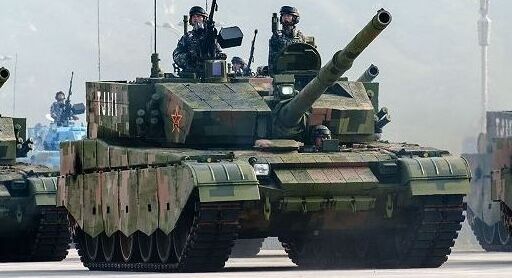
Type 99 Tank - The Current Backbone of China’s Armoured Units
Chinese defence researchers have outlined a long-term architecture for electrically powered 60 ton tank powered by a compact nuclear reactor and armed with a 50 megajoule electromagnetic railgun. The concept, described in a research paper published in the June 2026 supplement of the Chinese defence journal Acta Armamentarii, envisages a development path extending beyond 2045. The study was conducted by researchers from Inner Mongolia First Machinery Group, the State Key Laboratory of Special Vehicle Design and Manufacturing Integration Technology, and Beijing Institute of Technology. Inner Mongolia First Machinery Group is part of China’s defence industrial sector and has extensive involvement in the development and production of armoured vehicles.
The researchers propose a three-stage development path. The initial stage, targeted for before 2035, would involve fitting electromagnetic weapons to existing armoured vehicle platforms while retaining conventional diesel power. A proposed 1,500-horsepower diesel generator would be combined with supercapacitors and a flywheel energy-storage system to provide the high instantaneous power required by an electromagnetic weapon. The first-generation system would feature a 10 MJ electromagnetic gun, with the researchers associating the weapon with a notional range of approximately 150 kilometres.
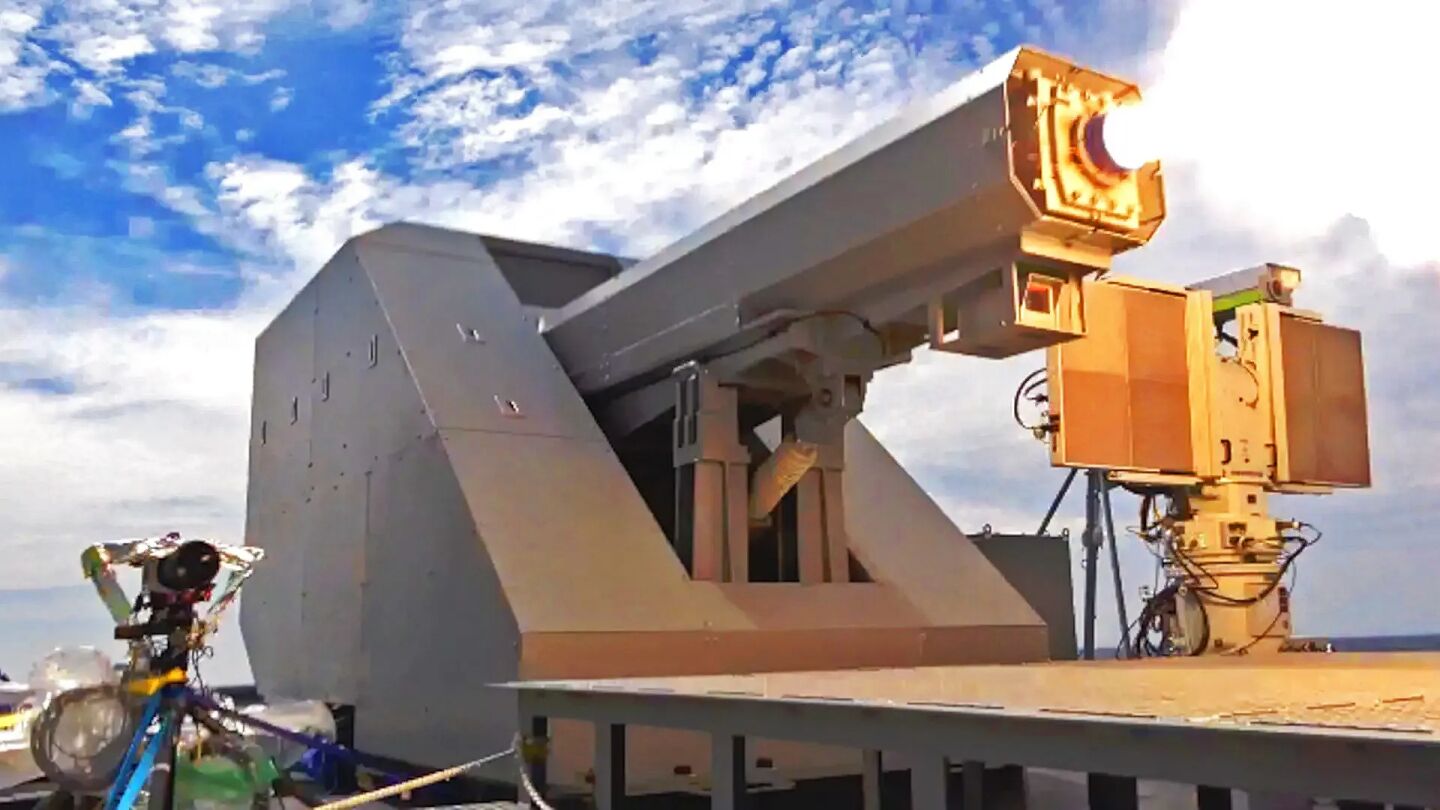
The first stage vehicle would incorporate an electromagnetic armour system requiring around 2 MJ of energy. The concept is intended to allow the technology to be developed and tested without requiring the much more complex nuclear powerplant envisioned for the final configuration. A second stage extending towards 2045 would increase the electromagnetic gun’s energy to approximately 20 MJ and the proposed range to around 300 kilometres. Electromagnetic armour would also become substantially more powerful, with approximately 10 MJ of energy envisaged for the system. A 2,000 horsepower diesel generator would provide electrical power, supplemented by approximately five tonnes of advanced energy-storage equipment.
The final stage would introduce nuclear power. The researchers envisage a 10 MW class small modular reactor using liquid-metal cooling, with the reactor system designed to fit within approximately two cubic metres. The vehicle would use the reactor to provide the large and sustained electrical power requirements of the electromagnetic weapon and other onboard systems. At this stage, the proposed electromagnetic railgun would have a firing energy of approximately 50 MJ. The researchers associate the weapon with a projectile velocity of around 3.5 km/s and a notional maximum range of approximately 450 km. Such a weapon would have a dramatically greater reach than conventional tank guns and would move the vehicle’s primary armament towards a role combining aspects of direct-fire armour and long-range precision fires.
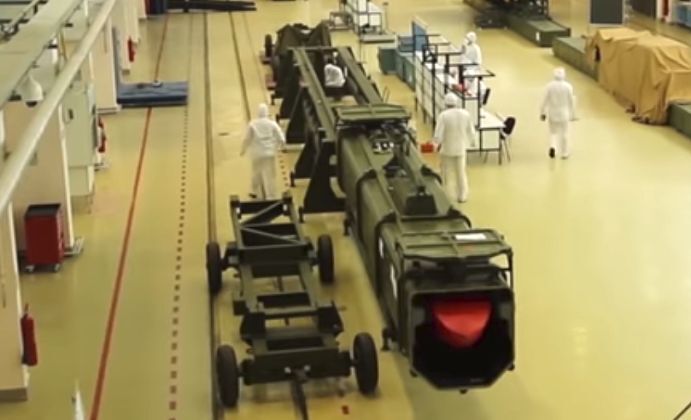
The proposed architecture is centred on the growing electrical power requirements of future armoured vehicles. Rather than treating the nuclear-powered vehicle as an immediately achievable tank program, the researchers examine how increasingly powerful weapons, electromagnetic protection systems and other electrical equipment could be integrated progressively as power-generation and energy-storage technologies develop. The study places considerable emphasis on the evolution of onboard energy systems, with supercapacitors, flywheels, advanced batteries, superconducting storage and integrated vehicle microgrids all being among the technologies considered as potential solutions for supplying the high instantaneous power required by future weapons.
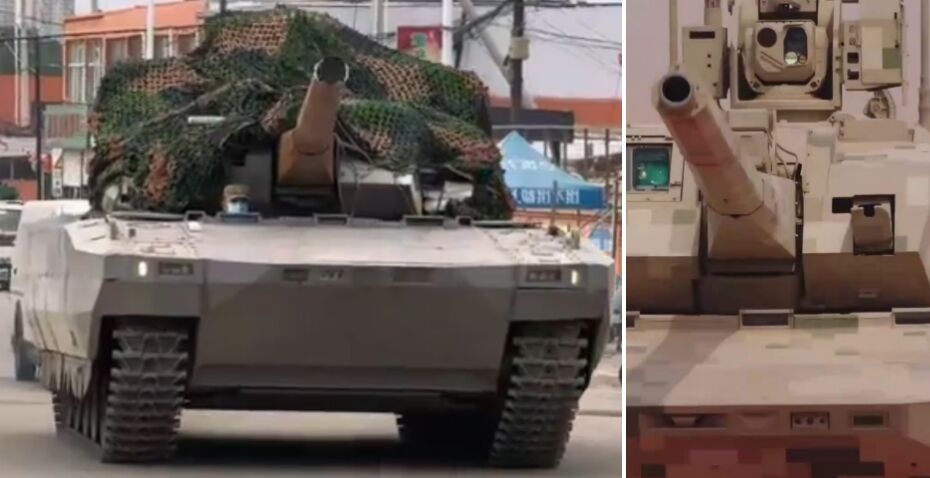
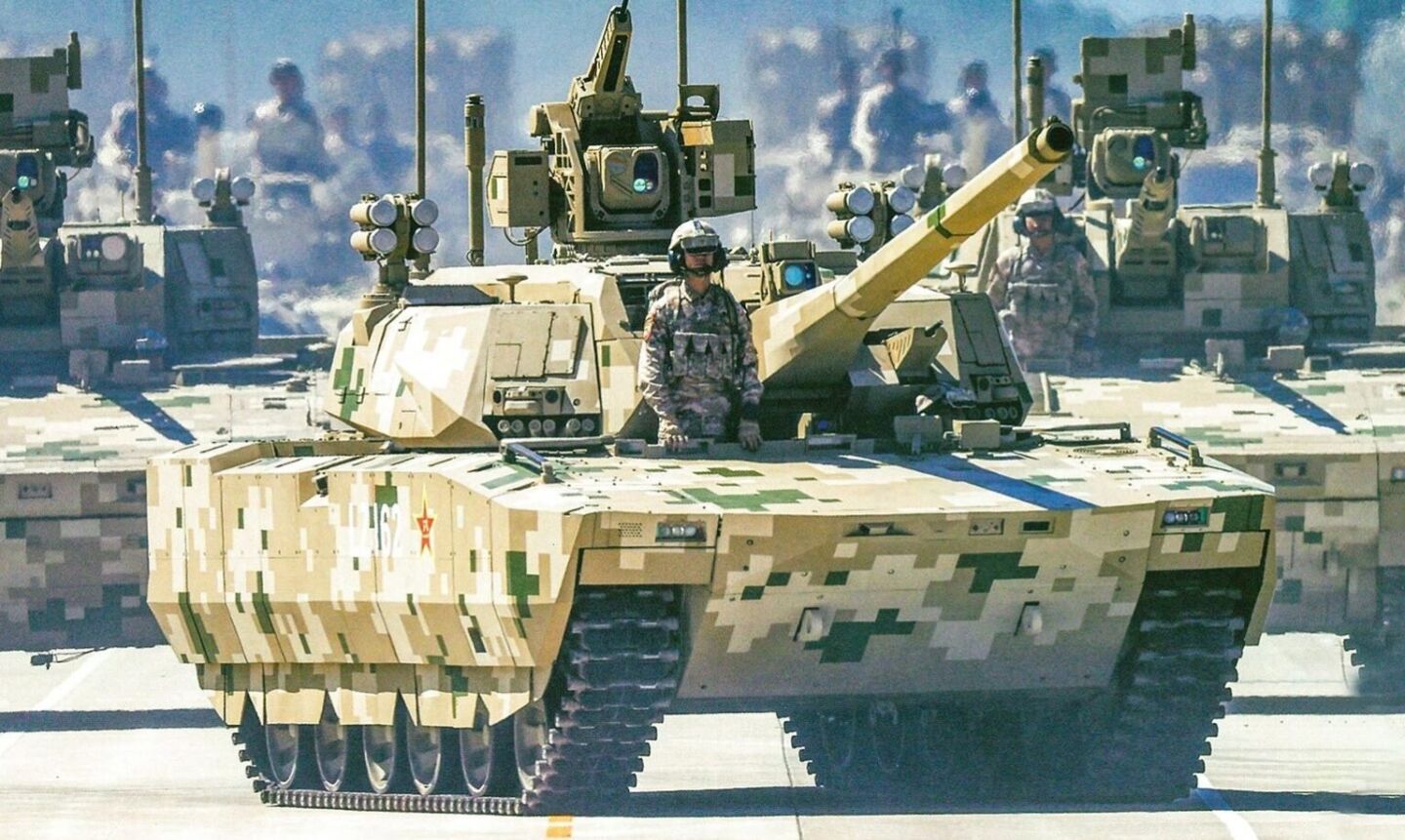
The paper highlights the growing degree of confidence experts have placed in China’s defence sector, with the country having in 2025 brought the world’s first fourth generation main battle tank, the Type 100, into service, several years ahead of the rest of the world. China also maintains very significant leadership in the capabilities of its destroyers, and is expected to lead the world by close to a decade in bringing sixth generation fighters into service. While a nuclear powered tank is expected to be technologically feasible, however, its cost effectiveness remains in serious question, particularly as ground warfare has increasingly emphasised use of large numbers of low cost unmanned systems over very high value heavy armoured assets. As demonstrated in the Russian-Ukrainian War, the firepower of main battle tanks has been of secondary importance, with the ability to network with drones, remain mobile, and use advanced active protection systems, being most critical - all capabilities the Type 100 has prioritised.
