
Chinese Navy Reportedly Preparing to Commission Second 70,000 Ton Heavy Carrier - What to Expect
Military Watch Magazine Editorial Staff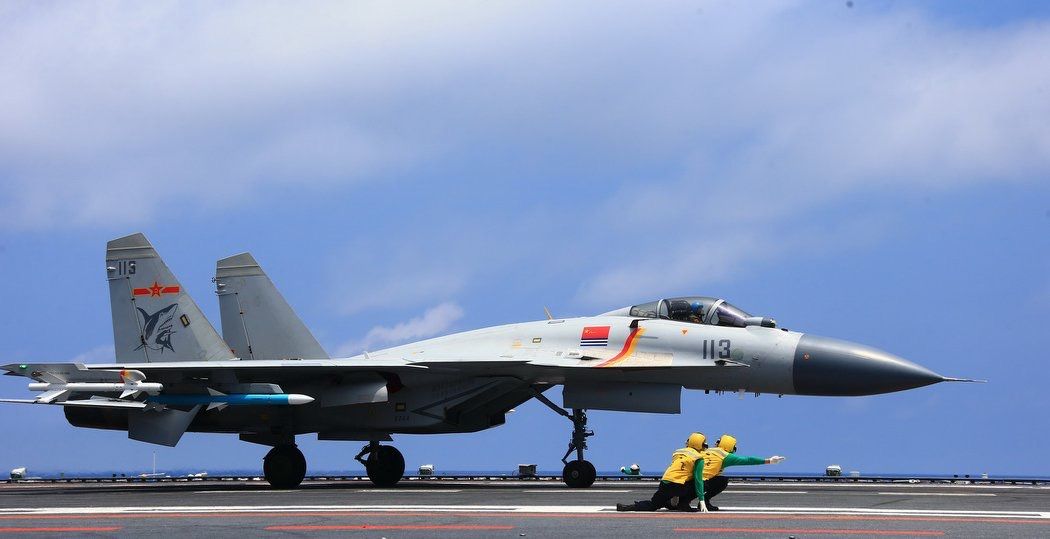
J-15 Flying Shark Heavyweight Fighter on Carrier Deck
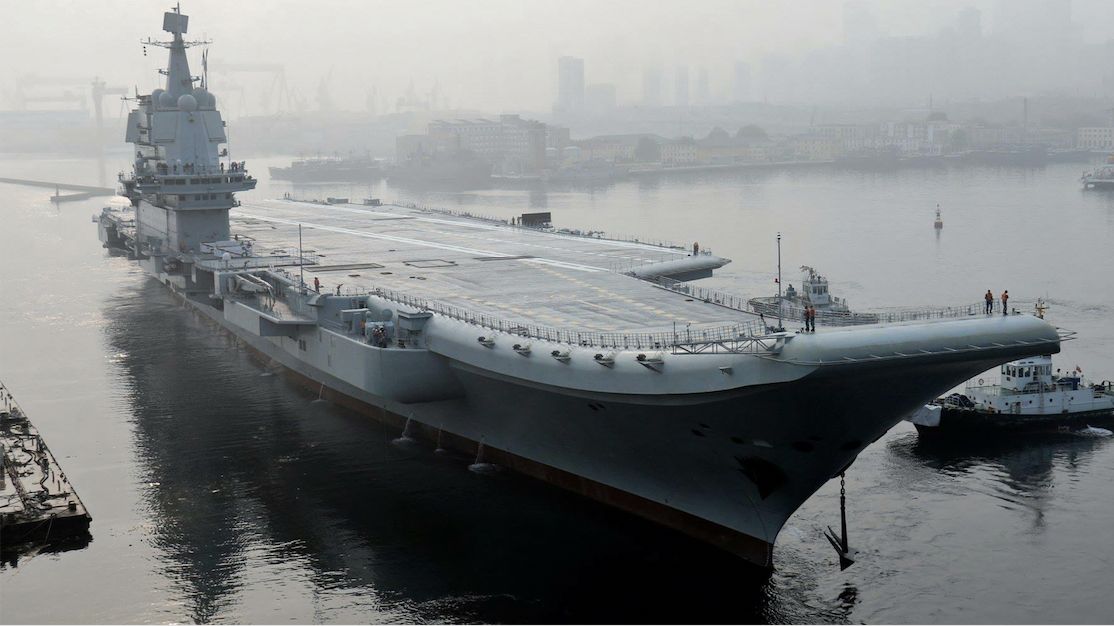
China’s People’s Liberation Army Navy is reportedly set to commission its second 70,000 ton aircraft carrier, the first to be laid down in the country’s own shipyards, according to a number of local media reports. This is expected to take place by the end of 2020, within 20 months of the platform's launch in April 2017. The Type 001A Class ship, which will be named at the commissioning ceremony, is one of two carriers currently under trials alongside a lighter 40,000 ton Type 075 Class ship, and will be deployed alongside the Type 001 Class carrier Liaoning. The new carrier closely resembles its predecessor and makes use of a similar ski jump launch system - similar to that deployed by the British Queen Elizabeth Class and Russian Kuznetsov Class platforms. Information available indicates that the warship is considerably more sophisticated than the Liaoning, and likely more than any other carrier currently deployed outside the United States Navy, with an entirely new and unique command bridge structure and a more efficient use of deck space to facilitate the deployment of more aircraft.
The type of aircraft the Type 001A will deploy remains uncertain, and while the Liaoning deployed the older J-15 Flying Shark, a naval adaptation of the Air Force’s J-11B, Chinese military aviation has since reached a far higher technology level meaning an enhanced ‘4++ generation’ variant of the platform is likely to be deployed. Dubbed ‘J-15B’, this aircraft will reportedly be lighter and stronger with greater use of composite materials, deploy an advanced AESA radar and new electronic warfare systems, and have more powerful and efficient engines. A more efficient airframe will allow the aircraft to deploy for longer periods and with greater weapons loads - despite the inherent limitations of the ski jump system relative to more advanced catapult systems such as that on the American Nimitz and Gerald Ford Class supercarriers. Future Chinese carrier classes, namely the heavier Type 002 and Type 003, will integrate electromagnetic catapult systems of their own allowing J-15 fighters to deploy with even greater ranges and weapons loads. It has also been speculated that the PLA Navy’s carrier based electronic attack jet, dubbed ‘J-15D’ or J-17’ in various reports with its final designation unconfirmed, will also be deployed from the new warship. The aircraft has previously been observed in prototype stage, and will provide a formidable complement to conventionally armed J-15 fighters.
