
Chinese J-20 Stealth Fighters From Rare Early Production Batches Delivered to Himalayan Air Defence Unit
Military Watch Magazine Editorial Staff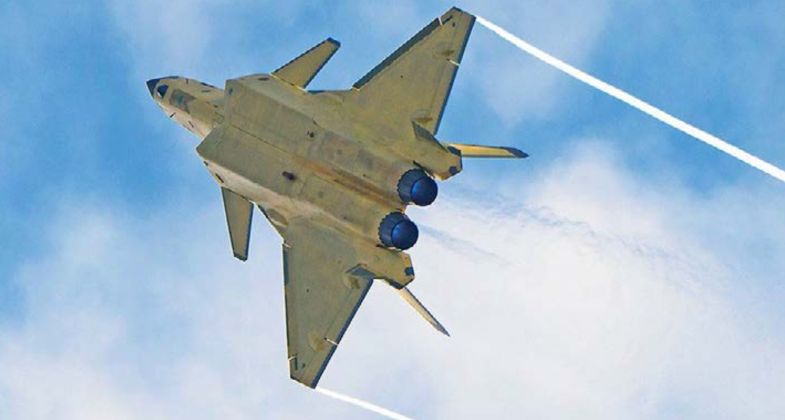
Chinese J-20 Fifth Generation Fighter From the First Serial Production Batch in 2016
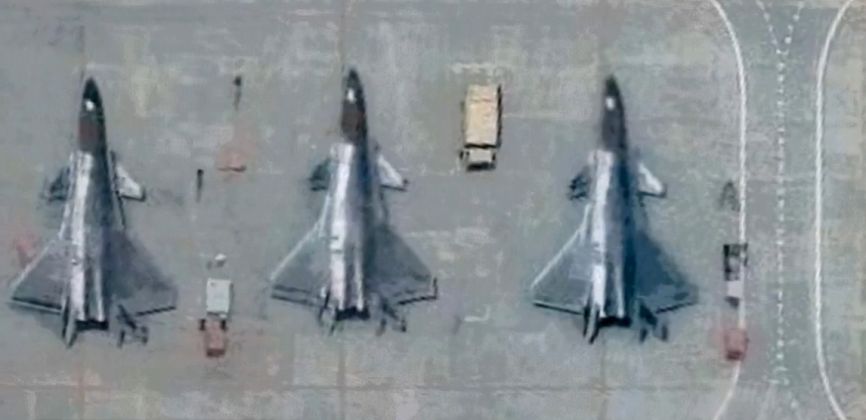
The Chinese People's Liberation Army Air Force has reassigned its unique early production J-20 fifth generation fighter aircraft to the 99th Air Brigade based at Hotan Air Base in China’s Xinjiang region, providing a significant improvement to the air combat capabilities at the strategically critical location. The fighters began deliveries in 2016, and began to become operational in February 2017, with deliveries made exclusively to the 176th Air Brigade at the Dingxin Flight Test & Training Base in the Gobi Desert, followed in February 2018 by the 172nd Air Brigade at the Cangzhou Flight Test & Training Base near the cities of Tianjin and Beijing, and finally the 9th Air Brigade at Wuhu Air Base near Shanghai in January 2019.
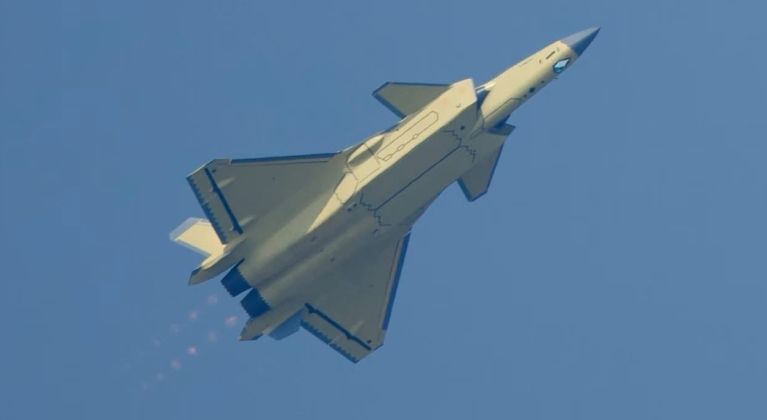
The most outstanding feature of early production J-20 fighters is their integration of Russian AL-31FM2 engines, as fighters that entered service from January 2021 integrated indigenous WS-10C engines with significantly superior capabilities. These older J-20s have more limited flight performances than newer variants, particularly the new J-20A variant which integrates WS-15 engines, and in many respects has the most impressive flight performance of any operational fighter type in the world. Although these older J-20s are far from cutting edge by the current standards of China’s combat aviation industry, when deployed to Hotan Air Base near India, they are more than sufficient to provide a distinct advantage over Indian Air Force fighter types.
The 99th Air Brigade is subordinate to the Western Theatre Command Air Force, which is responsible for defending China's vast western frontier stretching from Central Asia to the Himalayas. Hotan Air Base has emerged as one of the Air Force’s most strategically significant installations in the region, and is situated less than 400 kilometres from the Line of Actual Control (LAC) separating China and India in eastern Ladakh. The base thus occupies a central position in China’s military posture along its southwestern frontier. Over the past decade, extensive investments in infrastructure, hardened facilities, and modern combat aircraft have transformed Hotan from a regional airfield into one of China’s principal forward operating bases for high-intensity operations in the Himalayan theatre.
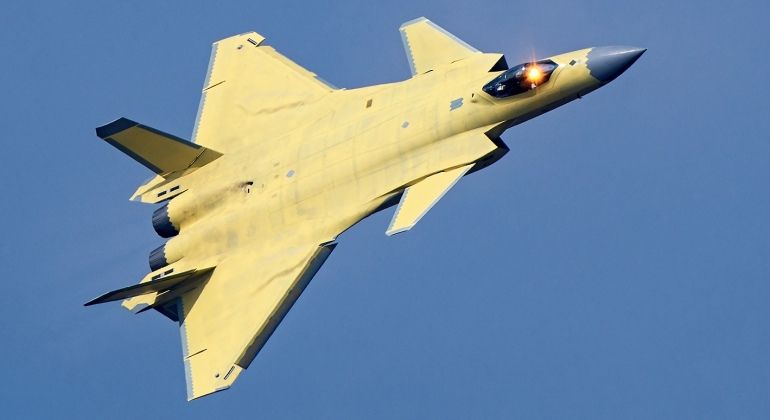
With relations between China and India remaining relatively positive, while the capabilities of Indian fighter units remain highly constrained compared to those of China and the United States, deployments near India remain a much lower priority for the People's Liberation Army Air Force. The service entry of older J-20 fighters under the 99th Air Brigade is thus a result of higher priority units facing the U.S. and its strategic partners in the Pacific being prioritised to receive the new J-20A variant, which has replaced older J-20 variants in at least four brigades. India is not expected to bring an indigenous fifth generation fighter into service until the early 2040s, although ongoing talks to procure Su-57 fifth generation fighters from Russia may result in Chinese fighter units in the region being faced with a significantly more formidable challenge across the Line of Actual Control.
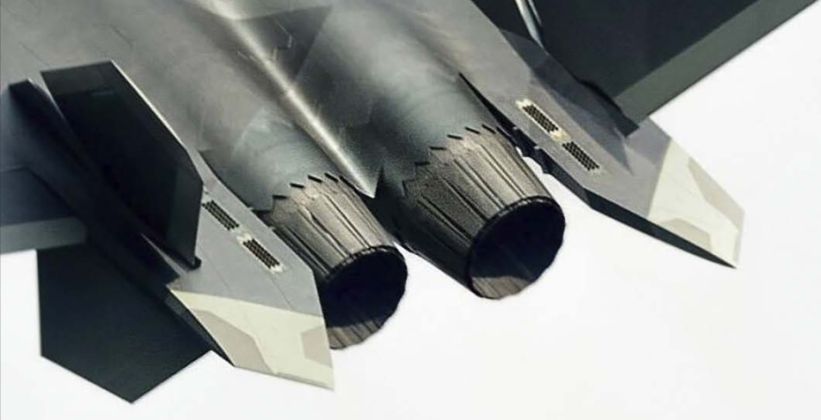
The People’s Liberation Army Air Force’s fleet of J-20 fifth generation fighters is estimated to have exceeded 500 fighters, with eighteen air brigades confirmed to have received the aircraft, each of which typically fields 28 fighters. A further 40-60 fighters are estimated to be allocated for training operations. These deliveries make the J-20 by far the most procured fighter type by any single service since the end of the Cold War. The J-20’s production scale is currently one of the largest in the world alongside that of the F-35, although F-35 production is divided between the F-35A, B and C variants which have very limited commonality between them other than their avionics. The expected service entry of Chinese sixth generation fighters in the early 2030s, however, is likely to lead to a reduction in J-20 production rates.
