
China’s Second Stealth Fighter Coming This Year? J-31 Fighters Spotted in Air Force Colours
Military Watch Magazine Editorial Staff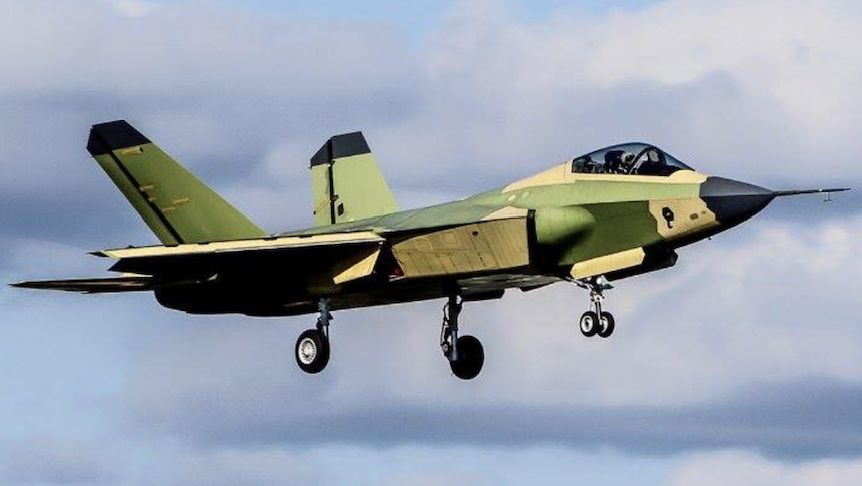
Shenyang J-31 Fifth Generation Medium Fighter
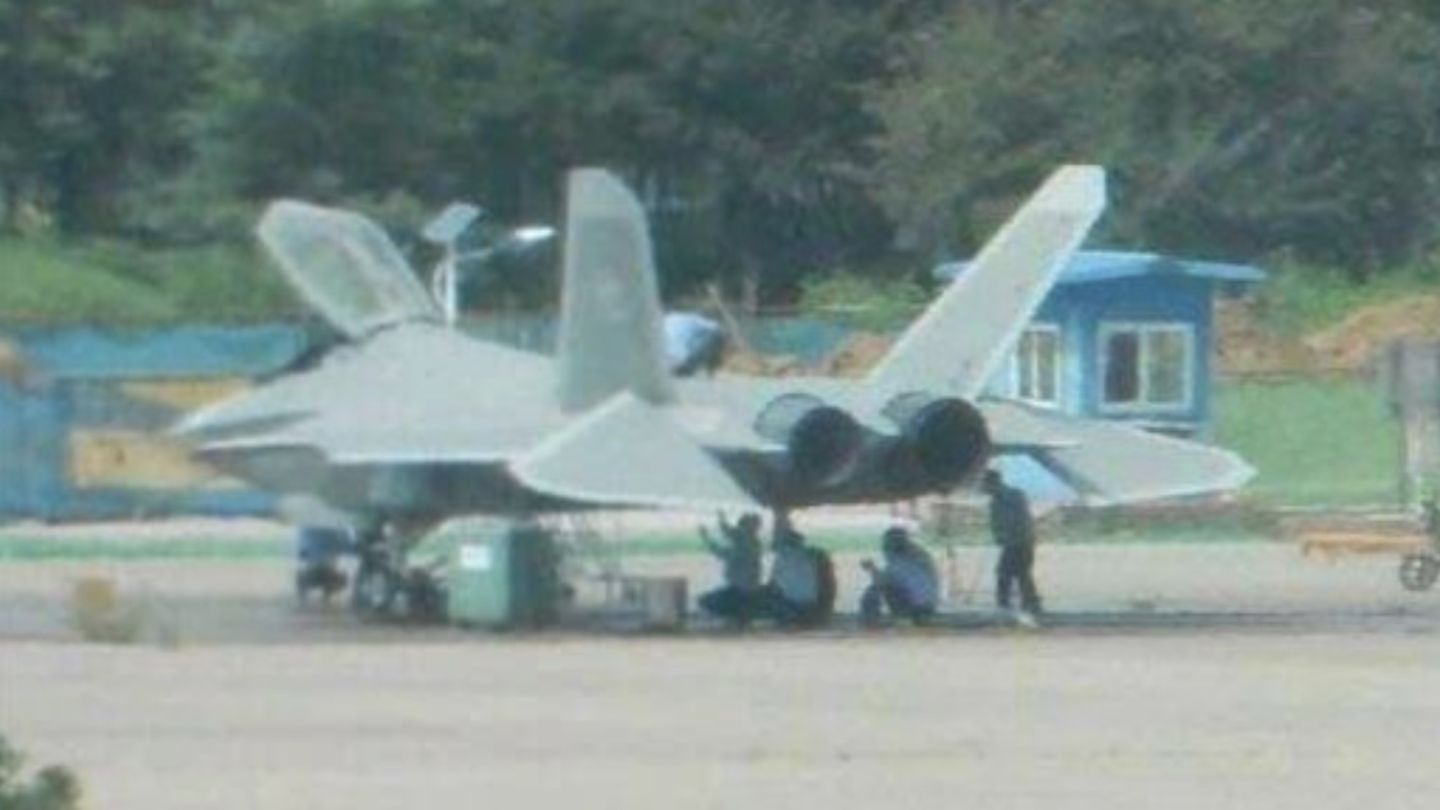
The Shenyang J-31 twin engine fifth generation fighter jet has for the first time appeared in photographs in the colours of the Chinese People’s Liberation Army (PLA) Air Force, leading to considerable speculation that the aircraft could be set to enter service in the PLA some time this year. The J-31, officially known as the FC-31 with no PLA designation yet given, was the second Chinese manned stealth fighter to reach prototype stage - following on from the heavier Chengdu J-20. The J-20 entered service in the PLA Air Force in March 2017, and is one of just three active stealth fighters in the world alongside the American F-22 and F-35. Unlike the J-20, which was developed by a state owned company exclusively for service in China’s Air Force, the future of the J-31 was always far less certain. It long remained unclear whether the PLA had an interest in acquiring the design in large numbers, or whether it would be aimed primarily at export markets. The possibility of developing the aircraft into a carrier based fighter, as a less specialised complement to the J-15 air superiority fighter, has also been raised repeatedly.
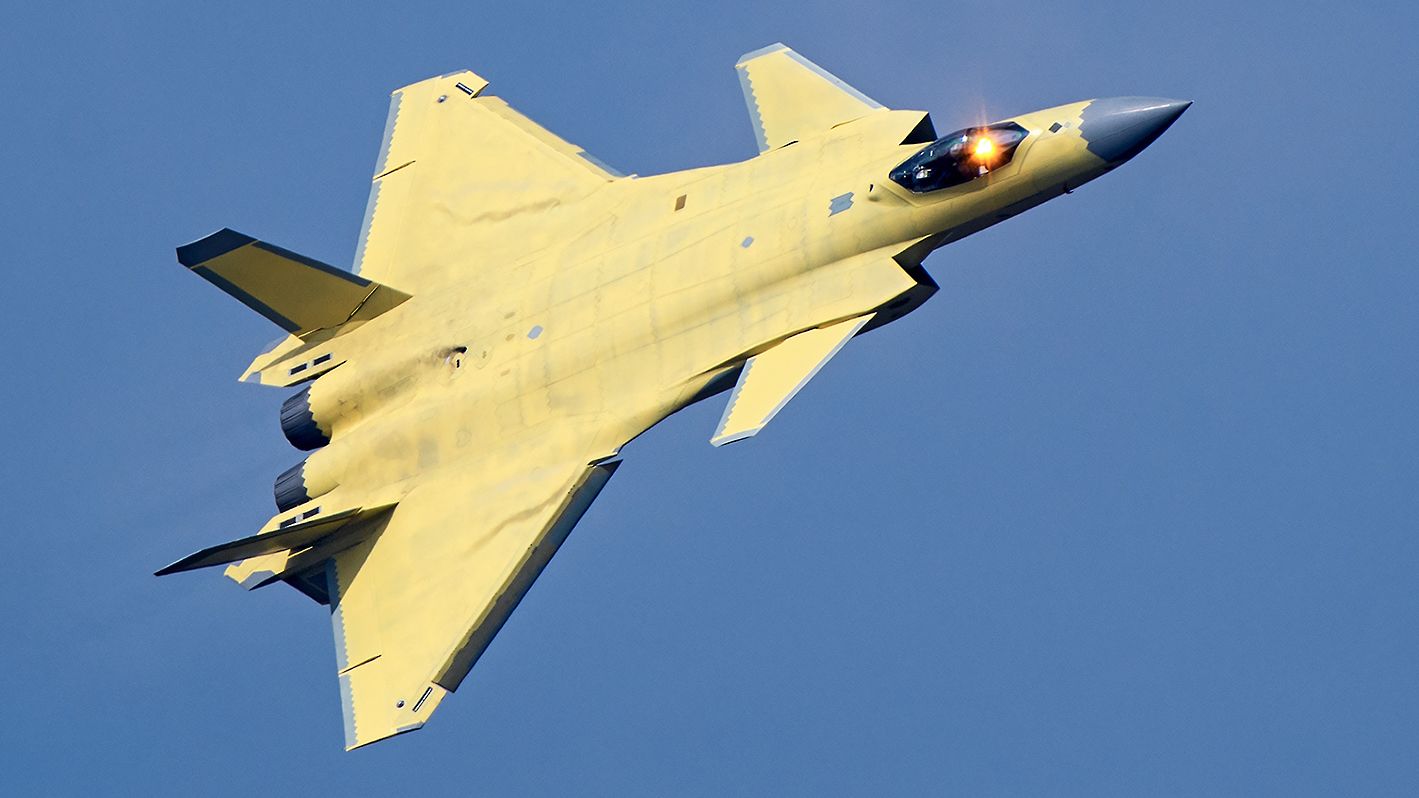
An issue which may arise with inducting the J-31 into PLA service is its weight, as the fighter comes from a medium weight range rather than a heavy or light one. While China fields the world’s second largest fighter fleet in the world, and the largest fleet of heavyweight fighters, it does not have any medium weight fighters in service. Thus while the J-20 has a clear place in China’s force structure, and can replace older fourth generation designs such as the Su-27 and the original J-11, the J-31 is too heavy to replace the low cost lightweight jets such as the J-7 and J-10A in service, but lacks the performance characteristics to replace a high performance air superiority platform such as the J-11. Russia and the United States, which deploy considerable numbers of MiG-29 and F-18 medium fighters, would have no similar issue.
While the exact nature of the J-31 program’s intentions or of the aircraft’s role remain uncertain, one possibility is that the aircraft could replace squadrons of J-8 II interceptors in PLA service - with the new aircraft’s far heavier and more sophisticated sensors and state of the air PL-15 air to air missiles potentially revolutionising these units’ capabilities. Another possibility is that the induction of the J-31 could come as part of a fleet expansion program, with these aircraft entering service in entirely new units. Either way, the fighter’s induction is likely to cause cause a major issue, as the PLA Air Force currently makes use of three main families of engine for its entire fleet. These include the WP-7 which powers the older and lighter J-7 and J-8 jets and the WS-10 and AL-31 which power J-10, J-11, J-15, J-16 and J-20 fighters. Neither of these engines is compatible with the J-31, which is too heavy to use either a twin configured WP-7 or a single configured WS-10 or AL-31 but is also unsuitable for twin WS-10 or AL-31 engines. Introducing an entirely new class of engine specifically for the aircraft would impose an additional logistical burden for the PLA and reduce the currently high level of interoperability gained from using so few engine types.
