
China Demonstrates Ability to Rapidly Redeploy HQ-9B Long Range Air Defences for Desert Warfare
Military Watch Magazine Editorial Staff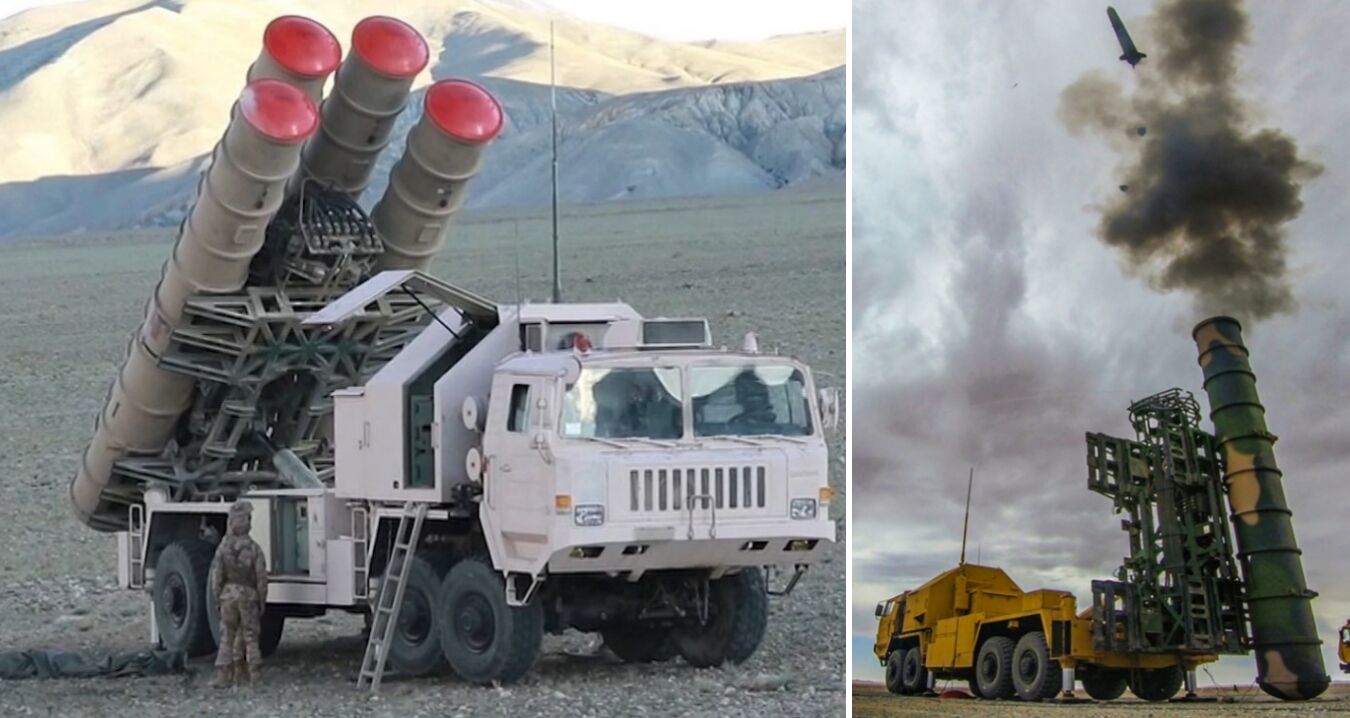
Chinese HQ-9 Surface-to-Air Missile Launchers in Desert Camoflage
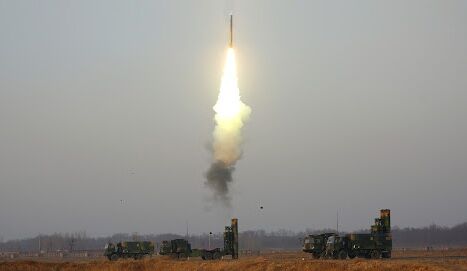
A Chinese People’s Liberation Army Air Force has deployed its HQ-9 long-range surface-to-air missile systems from eastern China to the Gobi Desert for a live-fire exercise, demonstrating the ability of a major air defence formation to rapidly relocate hundreds or thousands of kilometres and operate in an unfamiliar environment. Particularly notable were images showing the HQ-9 launchers being repainted from their normal woodland camouflage into a distinctive yellow scheme better suited to the desert environment. The HQ-9 is China’s most widely fielded type of long range air defence system, and has a 300 kilometre engagement range and the ability to intercept aircraft and both ballistic and cruise missiles.
The deployment was designed to replicate the difficulties of operating outside the unit’s normal geographical environment. According to the Eastern Theater Command, the exercise featured rapidly changing scenarios including simulated drone harassment, equipment failures and emergency manoeuvres. Specialised personnel were required to respond while the broader formation maintained its operational tasks, providing a test of both individual systems and the unit’s ability to sustain an integrated air defence mission under pressure.
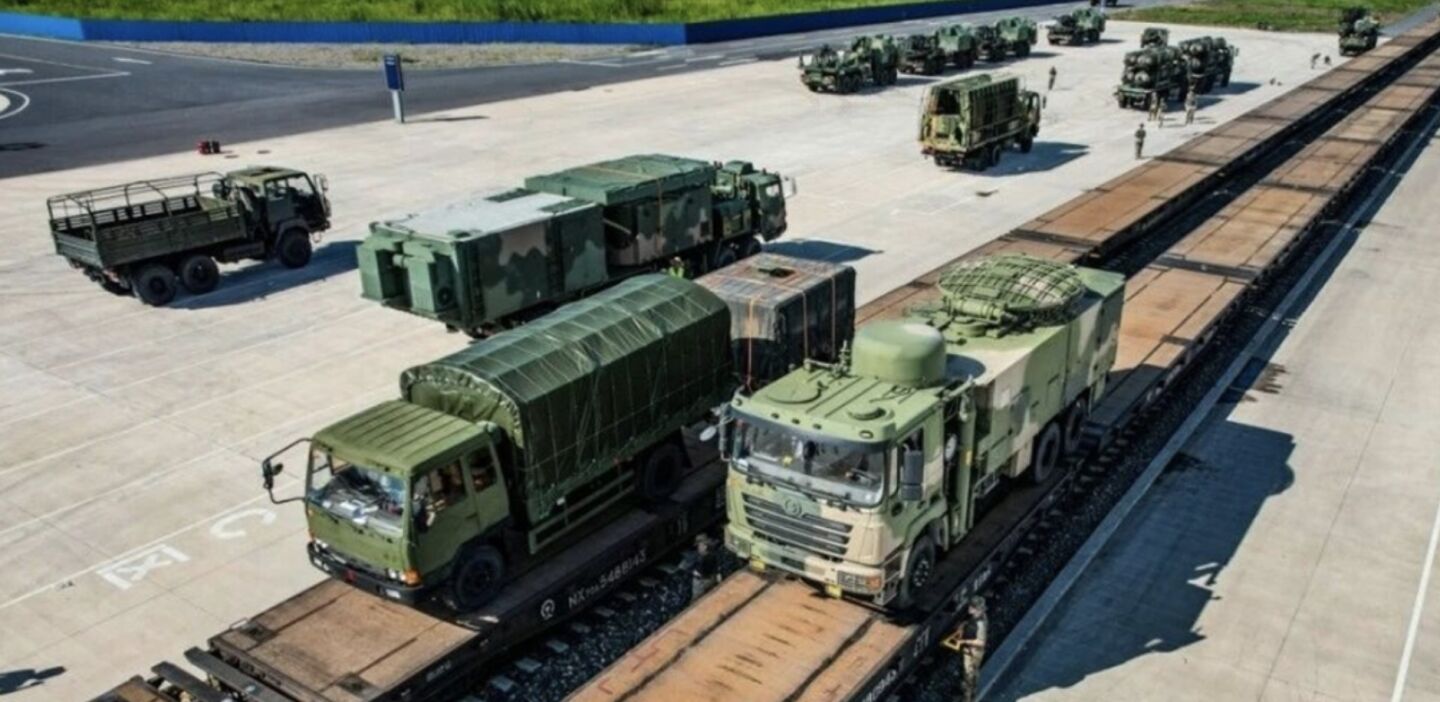
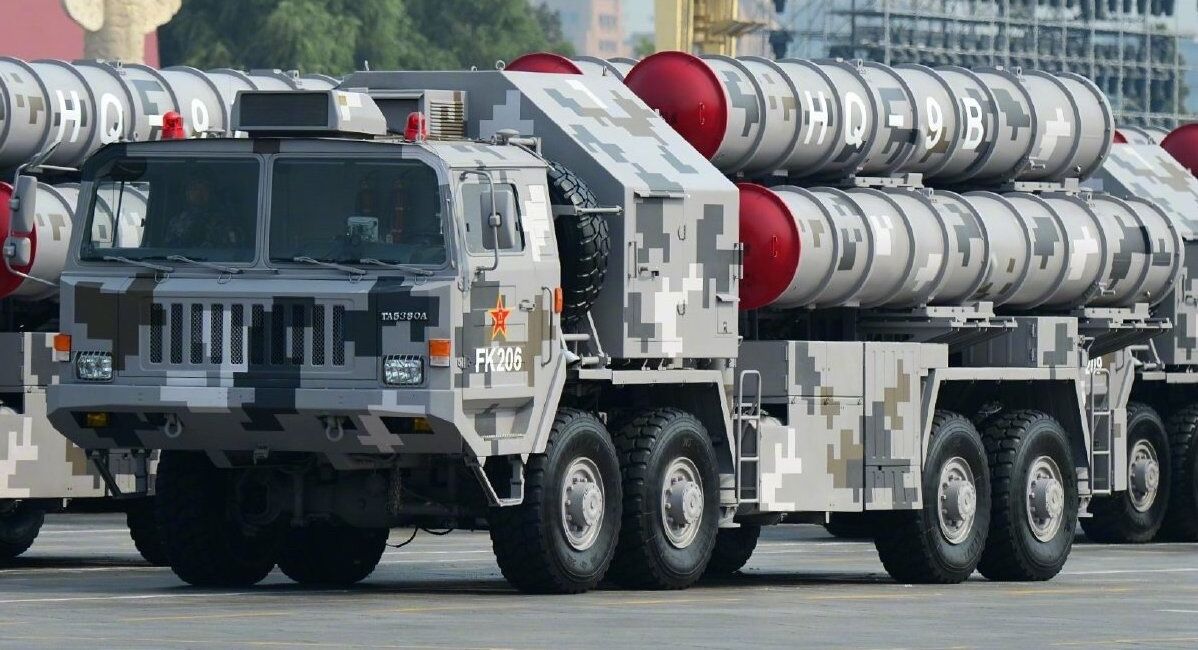
The exercise was conducted by a unit under the PLA Eastern Theater Command, which received orders to move to a training area in northwestern China. Following the order, personnel rapidly assembled their vehicles and loaded them onto military trains before travelling to the exercise area. Upon arrival, the formation moved towards its designated operating positions, with troops completing camouflage work and deploying in modular formations. The change in camouflage was one of the most visible aspects of the exercise, with photographs released by the PLA show the HQ-9 launchers in their original woodland camouflage while being transported from their home region, before appearing in the Gobi with a predominantly yellow finish.
The camouflage change reflected the requirement for equipment to adapt to different operational environments, with effective concealment being an important component of survivability. The adaptation illustrates a relatively straightforward but important requirement for mobile air defence forces: equipment intended to operate across very different environments must be capable of changing its visual signature as rapidly as the units themselves relocate. A long-range surface-to-air missile system can possess considerable engagement capability while still being vulnerable if its launchers, command vehicles or associated radars remain exposed after relocating, with camouflage forming one element of a broader effort to reduce the probability of detection and attack.
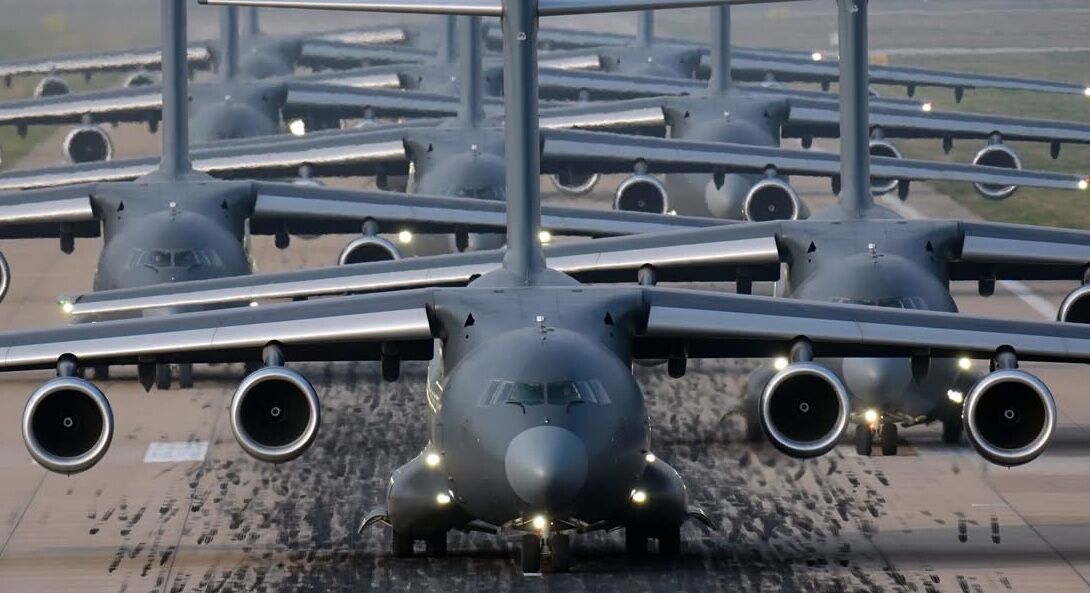
The exercise demonstrates the considerable geographic reach available to PLA formations. The Eastern Theater Command is primarily associated with China’s eastern coastline and the Taiwan Strait, but its forces are not necessarily confined to that geographical area for training or potential reinforcement. Moving an air defence formation from eastern China to the northwest provides a practical test of the ability to deploy combat power between widely separated regions. The Air Force’s ability to rapidly redeploy assets across the country, and if necessary abroad, has been bolstered considerably by the Y-20 program, with the strategic transport currently being the largest military transport in the world.
