
China Unveils New Stealth Attack Formation with Unmanned GJ-11, J-20 Fighter and J-16D Electronic Warfare Jet
Military Watch Magazine Editorial Staff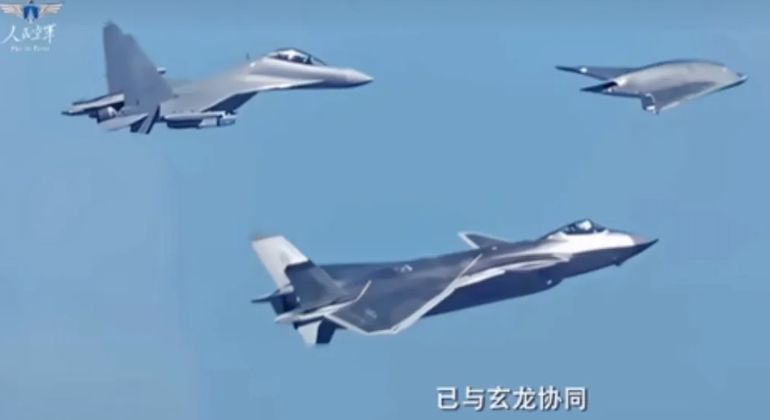
Chinese PLA Air Force GJ-11 with J-20 and J-16D in Formation
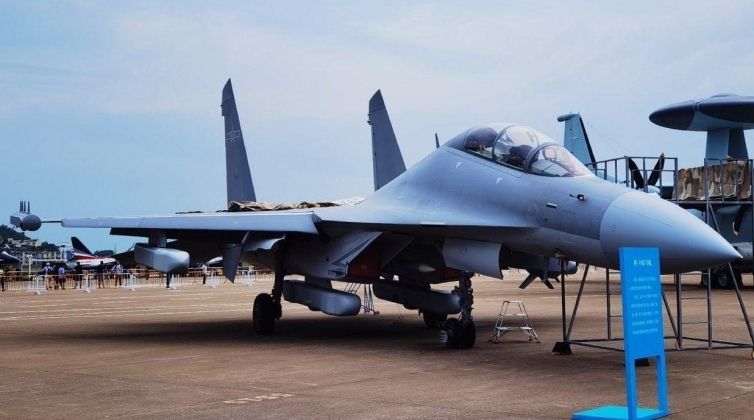
The Chinese People’s Liberation Army Air Force has marked the 76th anniversary by releasing a film that for the first time showed the country’s GJ-11 Dark Dragon unmanned fighter flying in formation with the J-20 air superiority fighter and J-16D electronic attack jet. Although the three aircraft have long been expected to operate together, this is the first publicly available imagery of them doing so. The three aircraft are considered to have highly complementary capabilities, with the GJ-11 being slower, but thought to have particularly high stealth capabilities, which combined with a degree of expendability optimise it for deep penetration missions. These stealth capabilities are complemented by the J-16D’s advanced electronic warfare capabilities, which can allow it to jam enemy attacks while singling out ground-based air defence systems for targeting using its anti-radiation missiles.
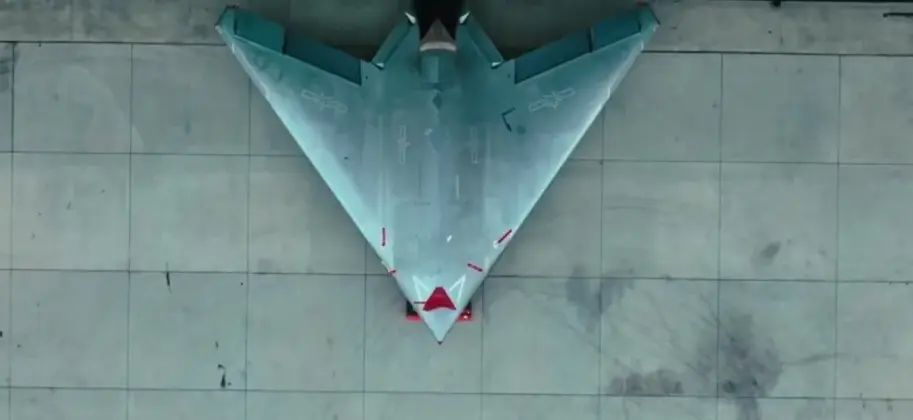
The J-20 has long been expected to serve as an airborne command post to support operations by GJ-11s, with the twins seat J-20S variant having been seen in simulations in the past leading formations of four of the unmanned aircraft. The fighter can accommodate a drone control officer in its second seat. Use of drone wingmen is expected to be a key feature of future sixth generation fighters, although advanced fifth generation designs most notable the J-20 and American F-35 are also expected to benefit from them in future. Although it remains unknown what armaments are used to equip the GJ-11, it has been speculated that it could carry PL-15 and possibly even PL-XX air to air missiles, allowing the aircraft to serve force multipliers for J-20 units for air-to-air engagements. Significant unmanned fighter programs are currently also under development in the United States, Russia and Australia to support fifth and sixth generation manned fighters, with notable example including the Boeing MQ-28 Ghost Bat and the Sukhoi S-70 Okhotnik.
The J-20S is expected to pioneer operations as a command post for unmanned aircraft, with these capabilities expected to be enhanced considerably in preparation for the service entry of China’s first sixth generation fighters in the early 2030s. The first flight prototypes of two separate sixth generation fighter designs were unveiled in December 2024, with both programs having continued to progress rapidly. A significantly greater challenge that China faces in developing unmanned wingman aircraft is the requirement for much longer ranges than its Western counterparts, which is necessary due to the considerably longer ranges that its manned fighters have. The J-20, for example, has a combat radius of over 2000 kilometres, more than double that of its Western rivals the F-22 and F-35, while the combat radius of its successor being developed by the Chengdu Aircraft Corporation is expected to be more than double this. The development of much larger and longer ranged unmanned aircraft thus appears highly possible to support these sixth generation manned fighter programs.
